Recent peer-reviewed studies on food, compounds, and metabolism, summarized in plain language. Every claim links to its source.

The 2017 Nobel Prize mapped the genes running your 24-hour clock — and why morning light matters.
A Nobel Prize was won studying autophagy in yeast — not a specific fasting app's claims.
Exercise and meditation are linked to longer telomeres, building on a Nobel-winning discovery.

A Nobel Prize mapped the exact cellular pathway altitude training and hard exercise engage.
A one-ingredient fix for a deadly disease, finally explained by a Nobel-winning discovery.
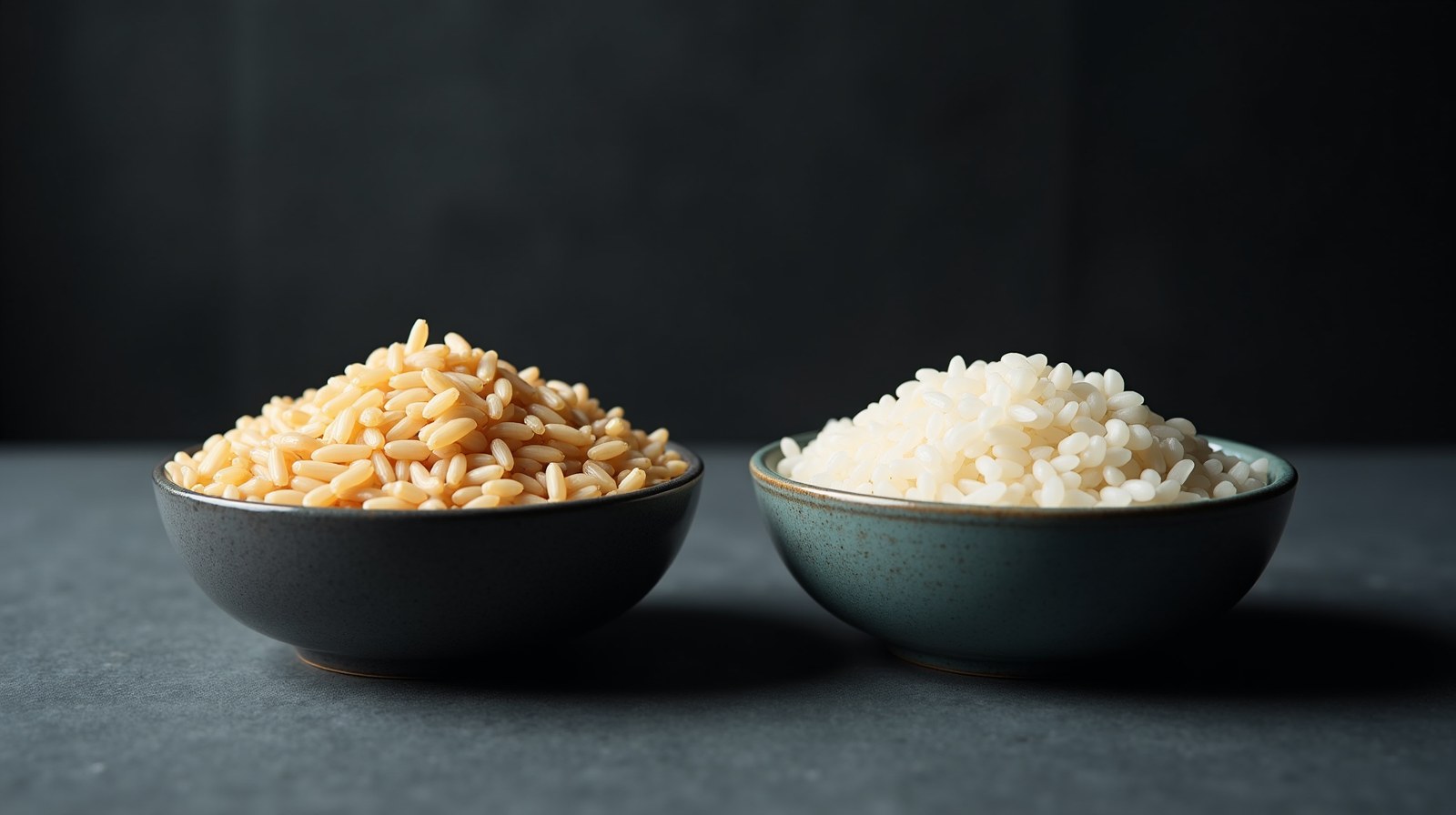
An accidental discovery in lab chickens traced a paralytic disease to processed rice.
The exact mechanism behind why beet juice and hard exercise both affect blood pressure.
A Nobel Prize founded the growth-factor concept behind exercise's effect on the brain.

A 1928 Nobel Prize mapped exactly how sunlight turns a skin compound into vitamin D.
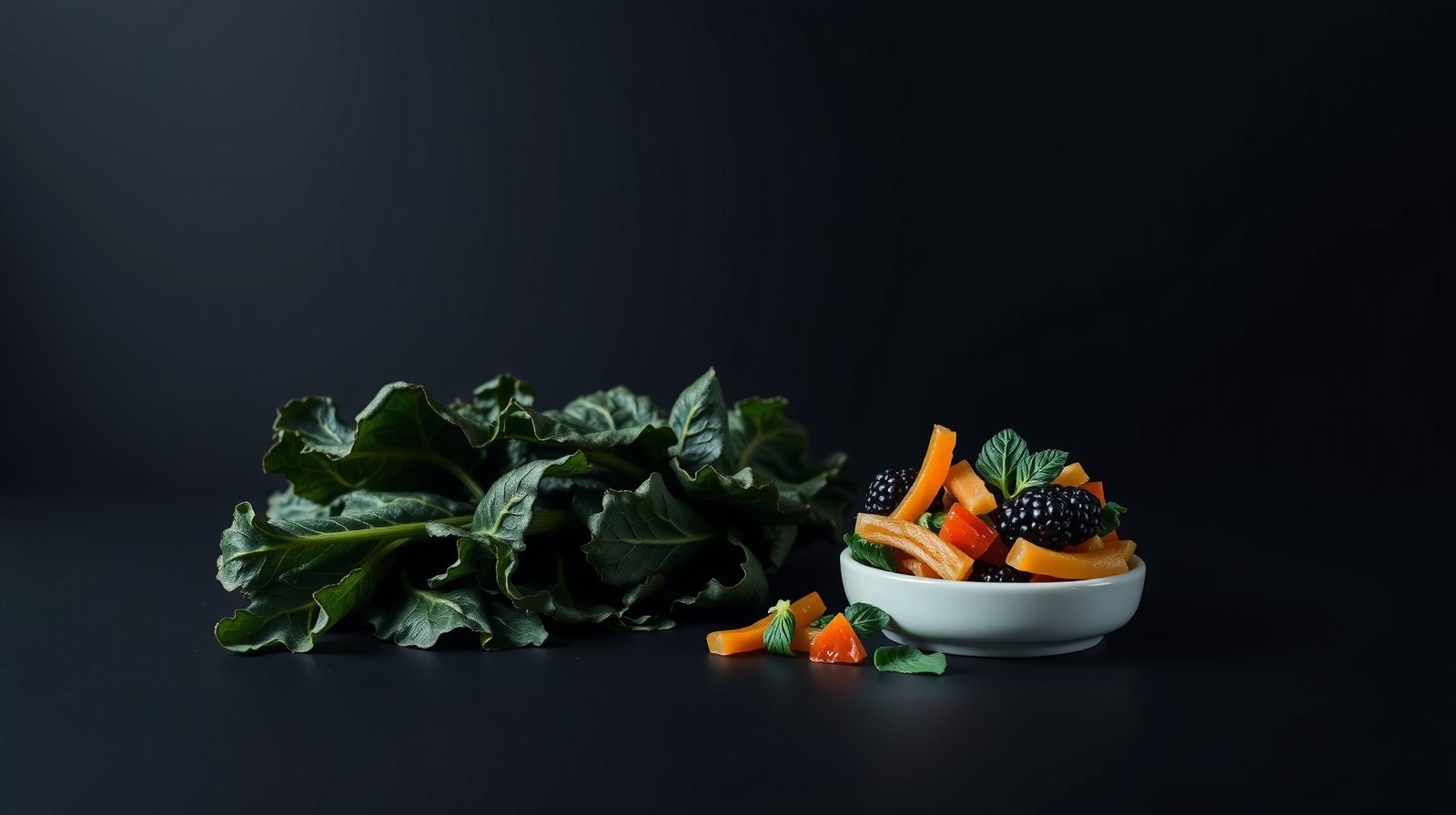
Leafy greens and fermented foods supply genuinely different forms of vitamin K.
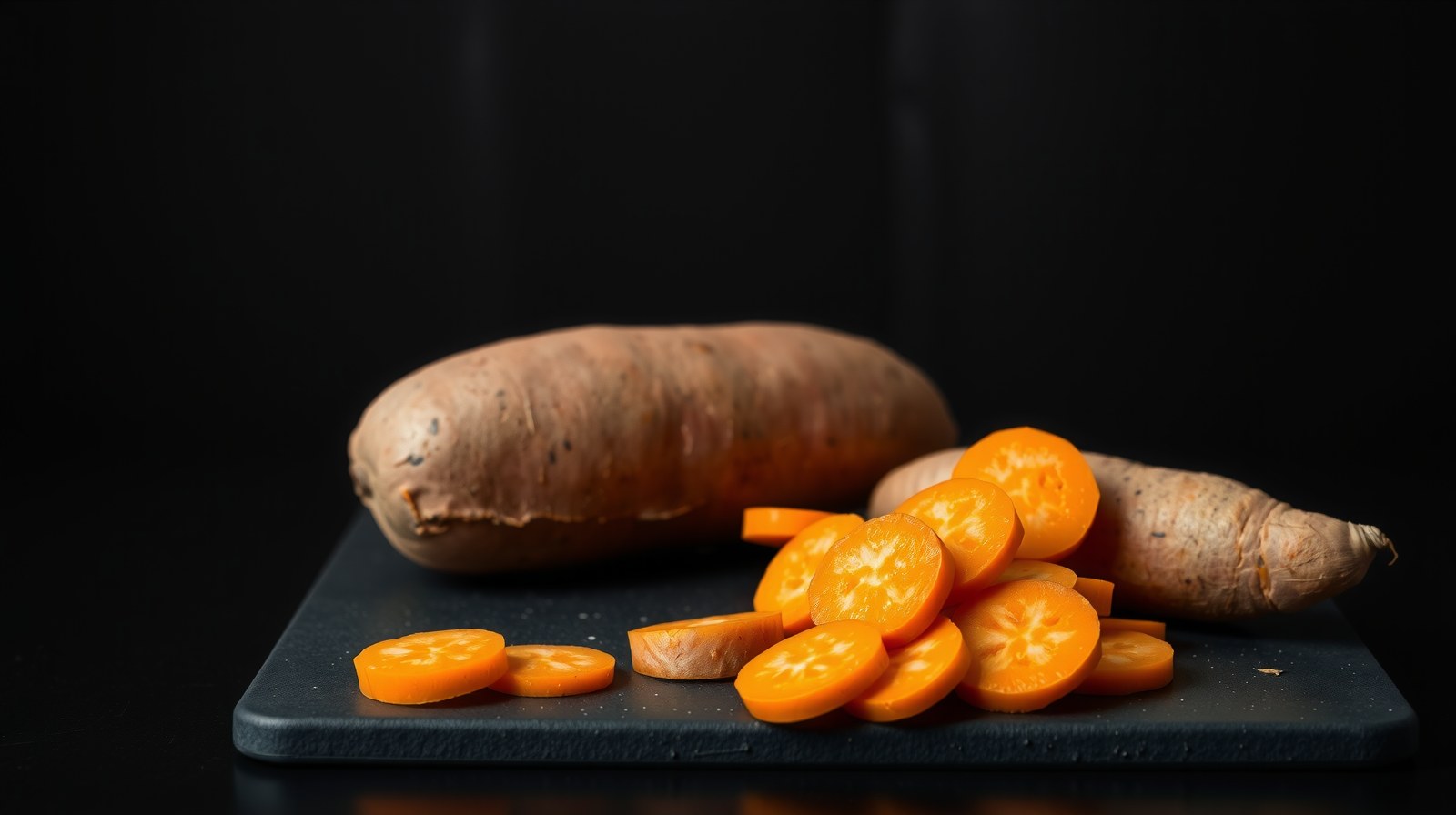
A real mechanism — but a deficiency-fix, not a superpower.
His famous longevity claim was a separate, weaker theory than what actually won the prize.
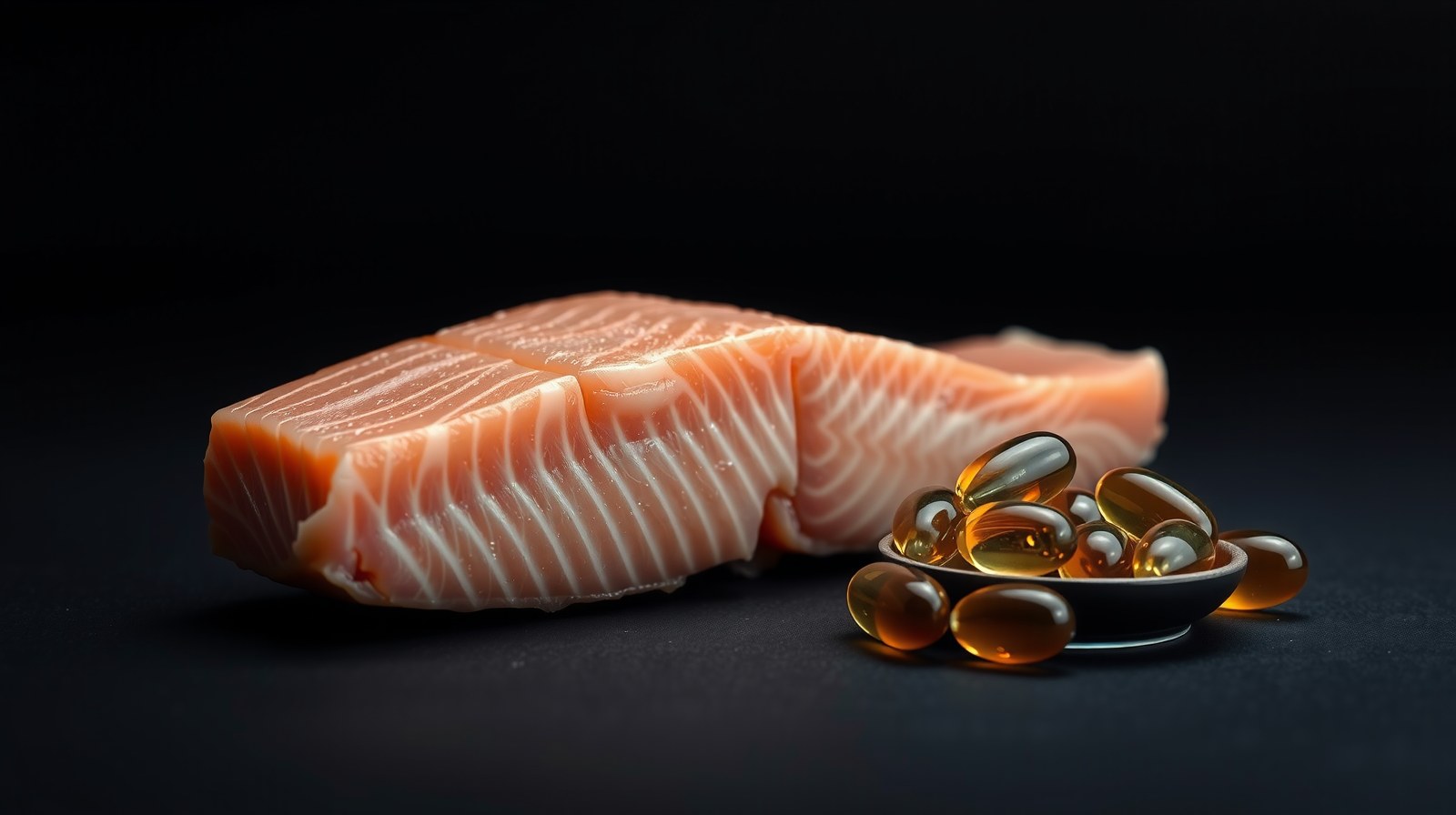
Why willow bark, aspirin, and omega-3s all trace back to the same molecules.
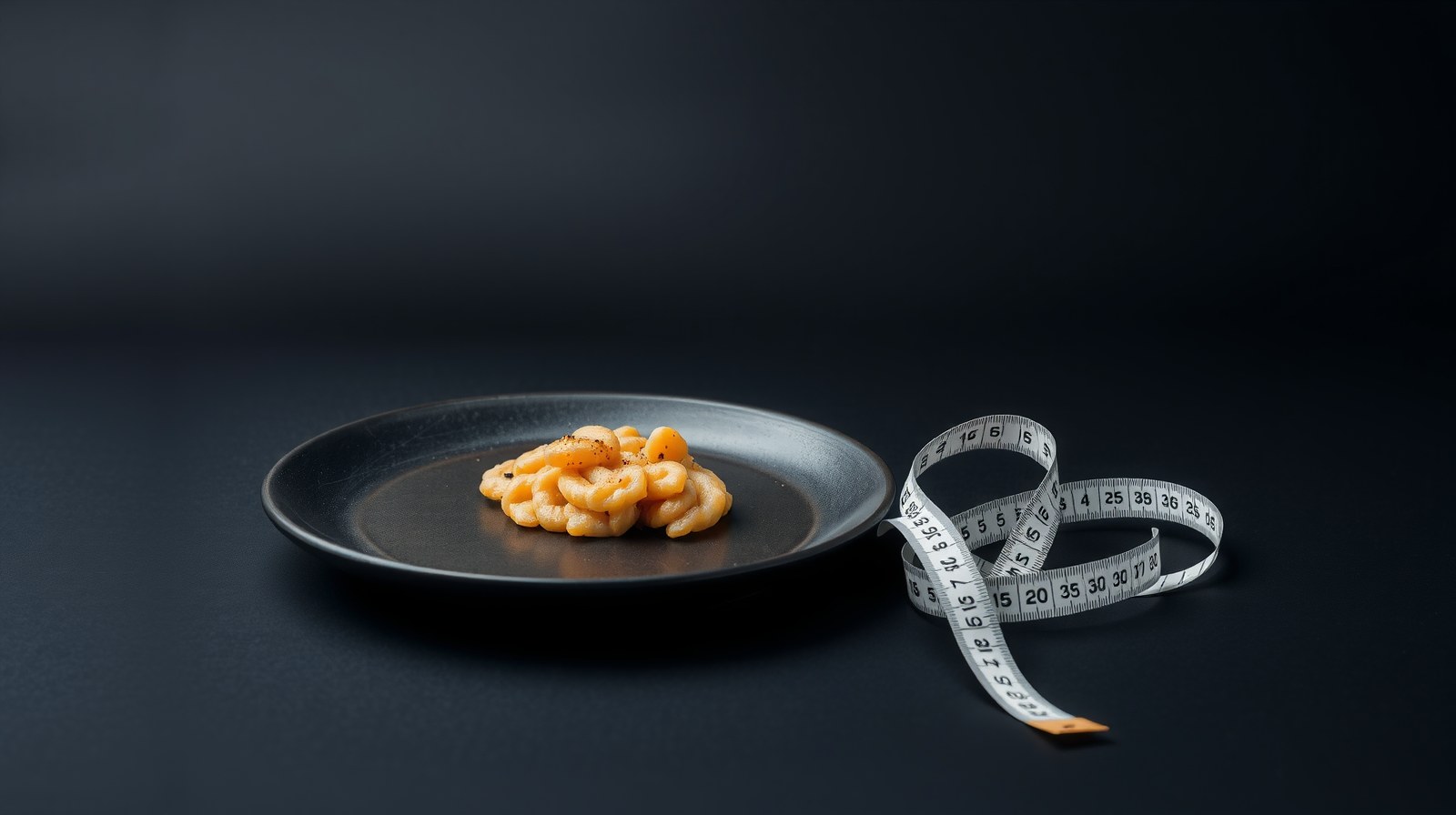
A real cancer-metabolism finding stretched into a much bigger diet claim.
The real research is a narrow cancer-care adjunct, not a wellness drink.
Breathwork has real evidence — most "vagus nerve hacks" don't, yet.
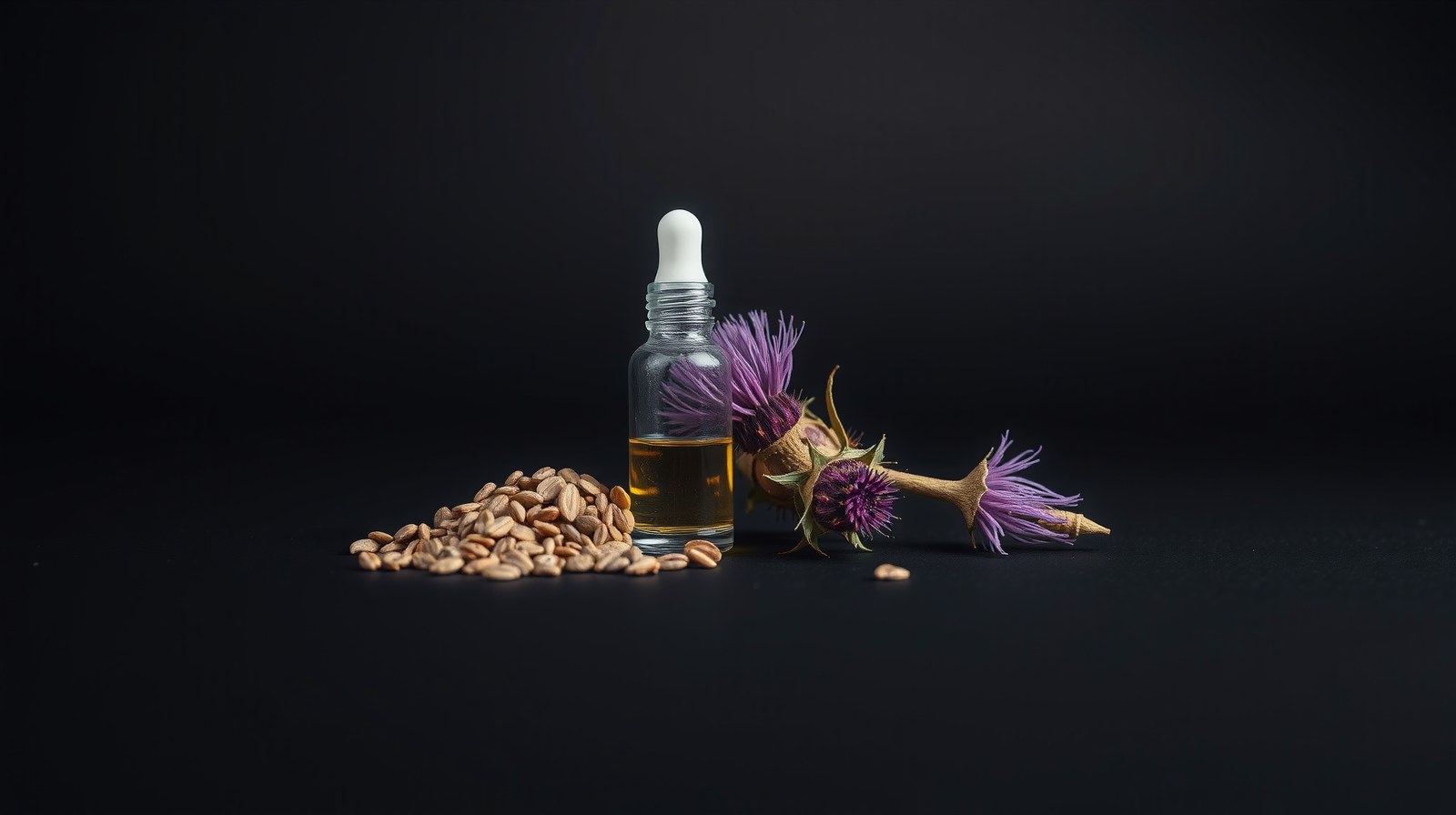
Milk thistle's silymarin has consistent randomized trial evidence for liver enzymes.
NAC's real evidence is for acetaminophen overdose, not daily liver "detox."
No blood pressure or event reduction, but a real 27% drop in cardiovascular death.
One of the strongest preventive interventions in this entire research series.
A general-population win didn't transfer to a dedicated polycystic kidney disease trial.
3.8 million observations say fitness predicts mortality independent of BMI.
Plain berberine and a bile-acid-conjugated version aren't the same intervention.

A 2025 hypertension trial found a genuine crossover from lungs to blood pressure.
CBT-I, not melatonin, is what sleep guidelines actually recommend first for chronic insomnia.
It reliably lowers cortisol — but didn't reliably make people feel less stressed.
Glucosamine and chondroitin have surprisingly weak trial support — exercise doesn't.
Most people taking fish oil for arthritis aren't near the dose that worked in trials.
A 2025 umbrella review of nearly 10,000 patients confirmed it beats everything else tested.
A specific category of bacteria has real trial data that gets far less attention than trigger foods.
The blood pressure numbers are more specific than "eat healthier."
One of nutrition science's most reproduced cholesterol effects — with a clear dose ceiling.
Curcumin is poorly absorbed on its own — here's the fix, and what it's linked to when it works.
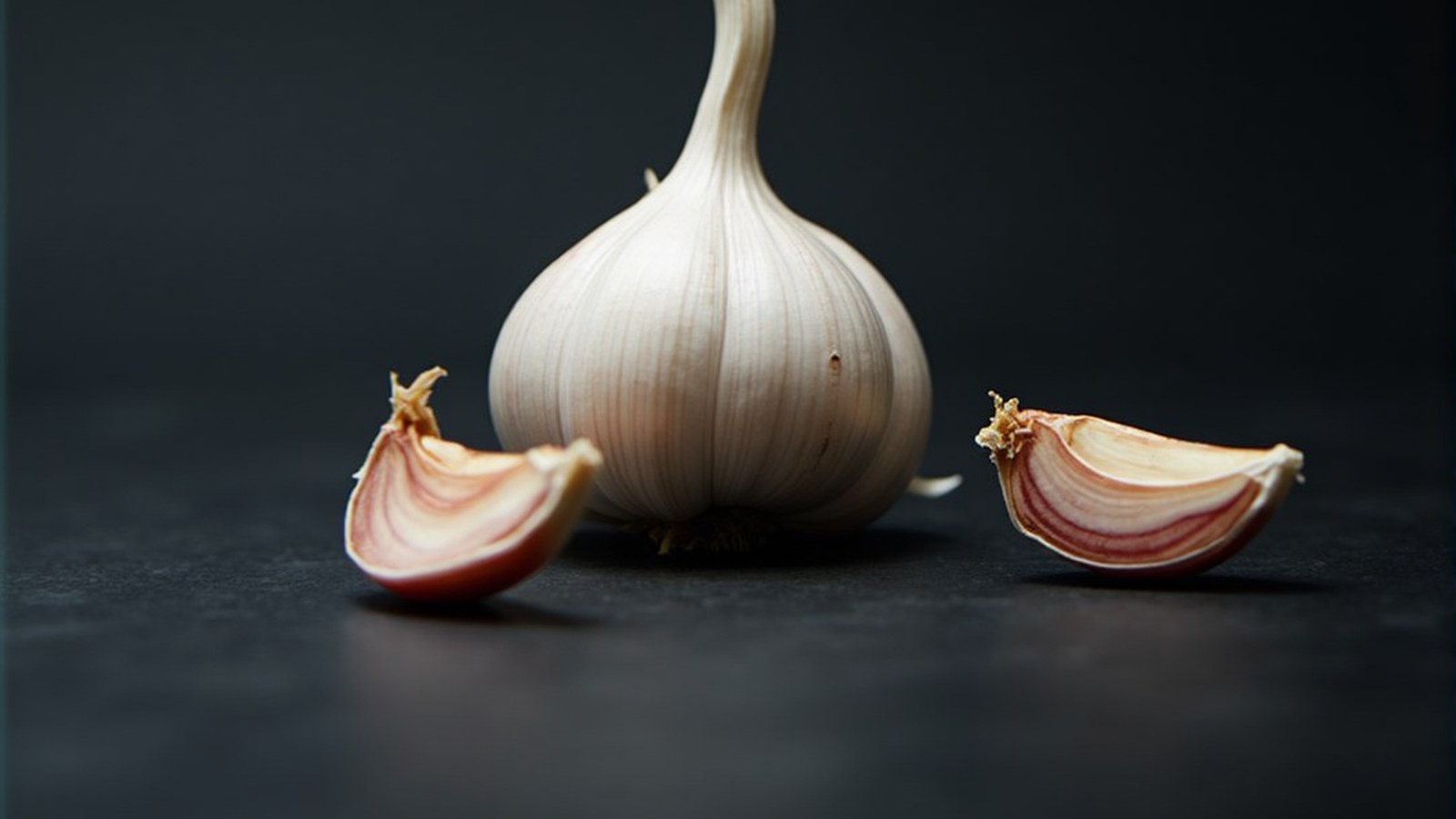
Garlic's most active compound doesn't exist in a whole clove — it's formed the moment you crush it.
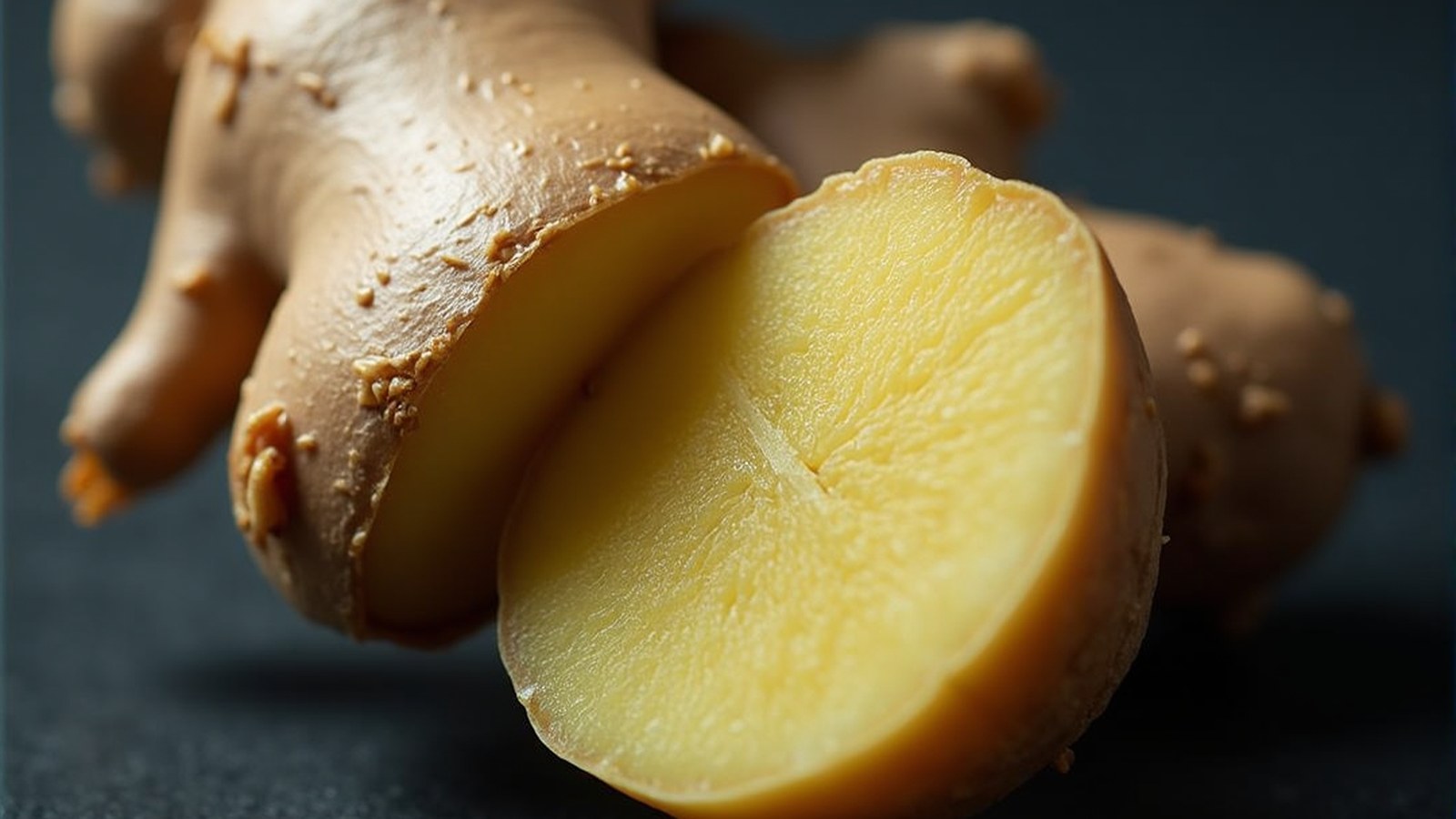
The spice with more clinical backing than most standalone supplements.
Four unrelated ingredients, one shared biological switch.
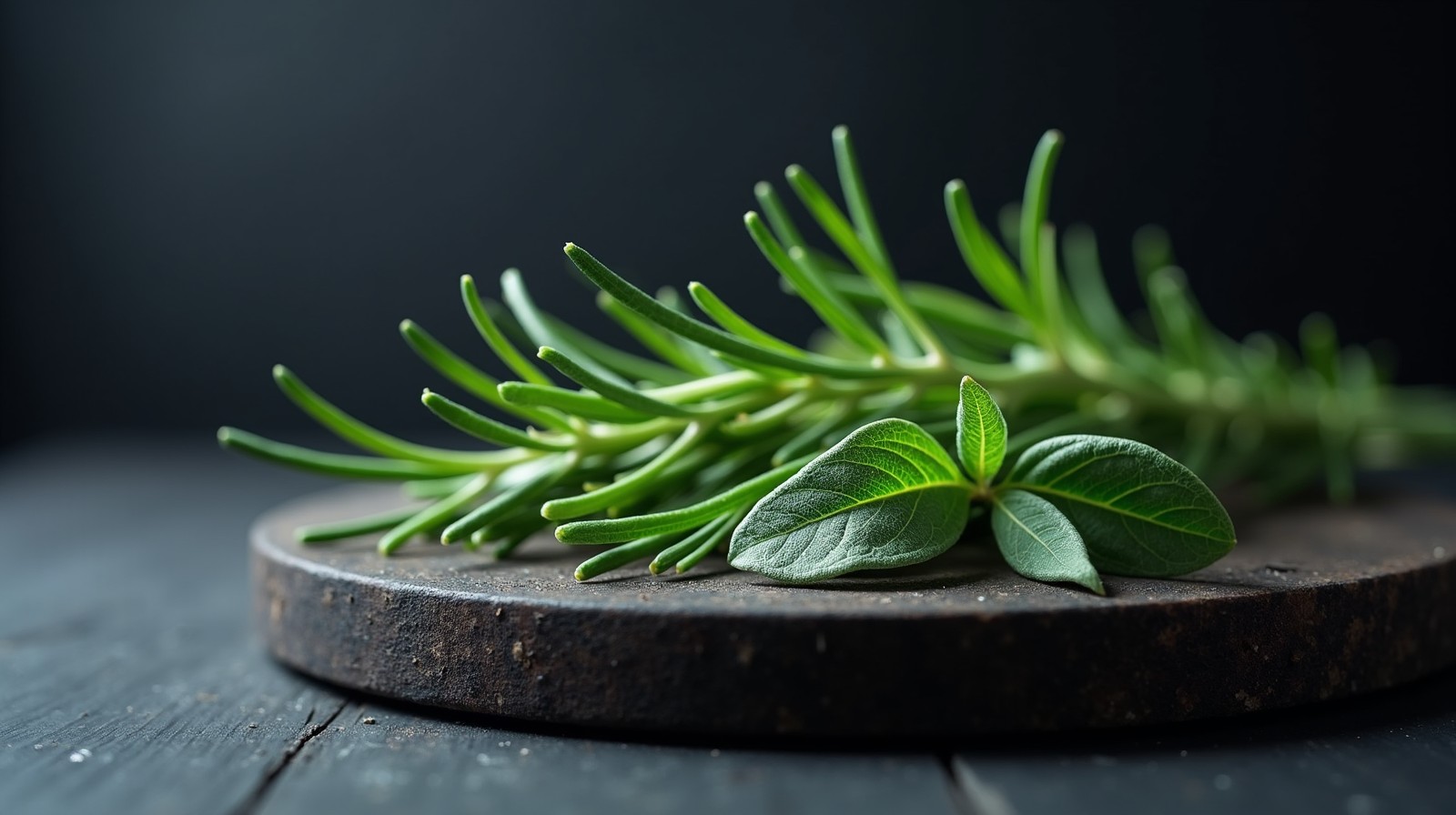
Rosemary and sage share a compound that was too unstable to use as a drug — until researchers fixed that.
Two different plants share one label — and taking the wrong one daily carries a real trade-off.
The same mechanism that makes curcumin work also boosts several other common nutrients.
A common spice performed statistically the same as SSRIs in a pooled analysis — with fewer side effects.
Not a supplement claim — an actual clinical trial tracked it.
Timing matters more than most people think — and the mechanism is oddly specific.
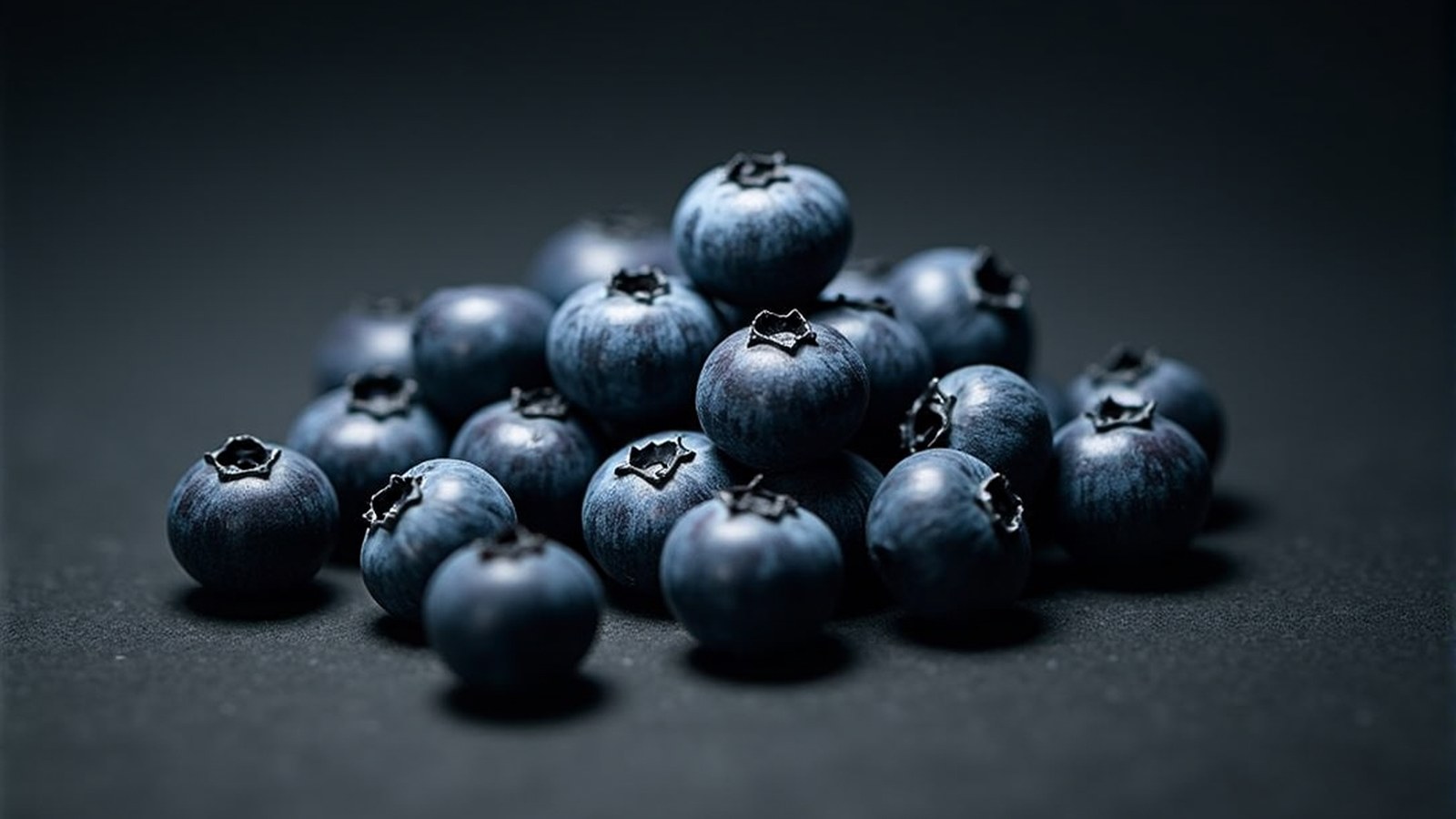
The deep blue-purple color isn't just for looks.
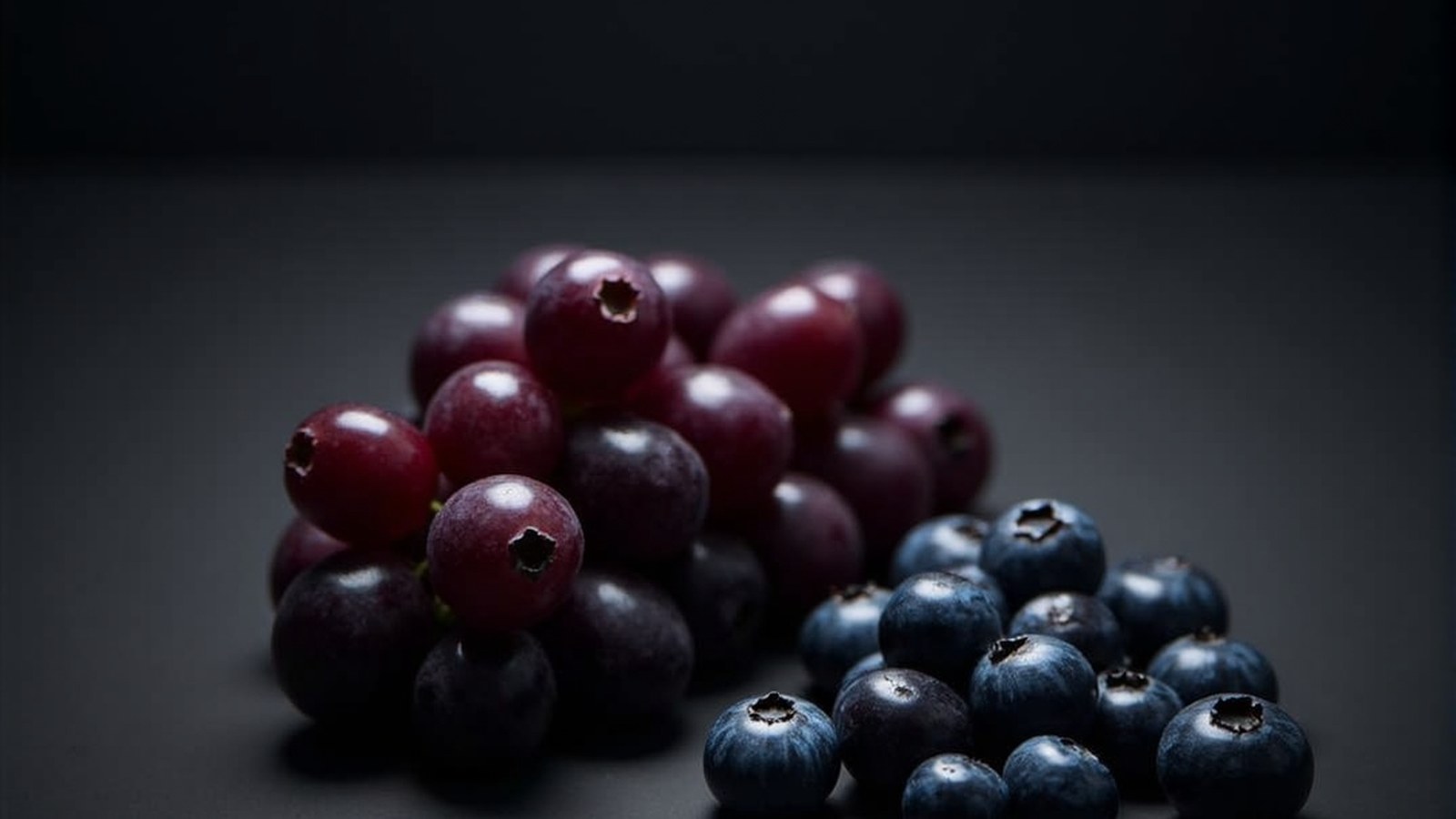
A 2026 review looked at what happens when two fruits are eaten together.
The real evidence supports shortening a cold already in progress — not preventing it.
Two popular strategies, tested head to head — and they don't do the same thing.
Same diet, different results — the standard guideline has a hidden assumption baked in.
Not every strain in the bottle survives long enough to reach your gut.
Fermented vegetables make a nutrient fermented tea doesn't — and only the raw, unpasteurized kind counts.
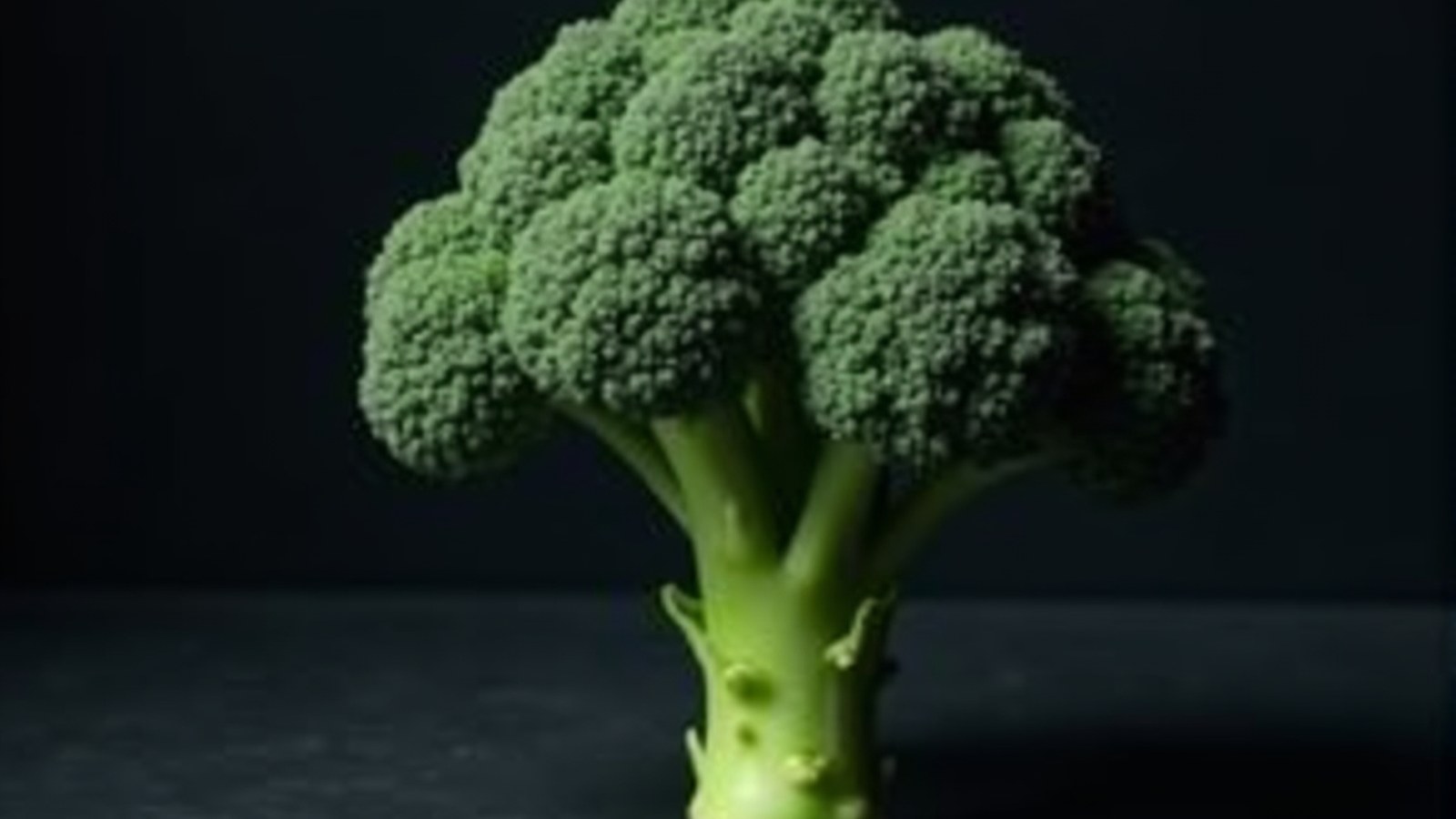
The compound isn't in the vegetable — it's created by a reaction, and cooking usually kills it.
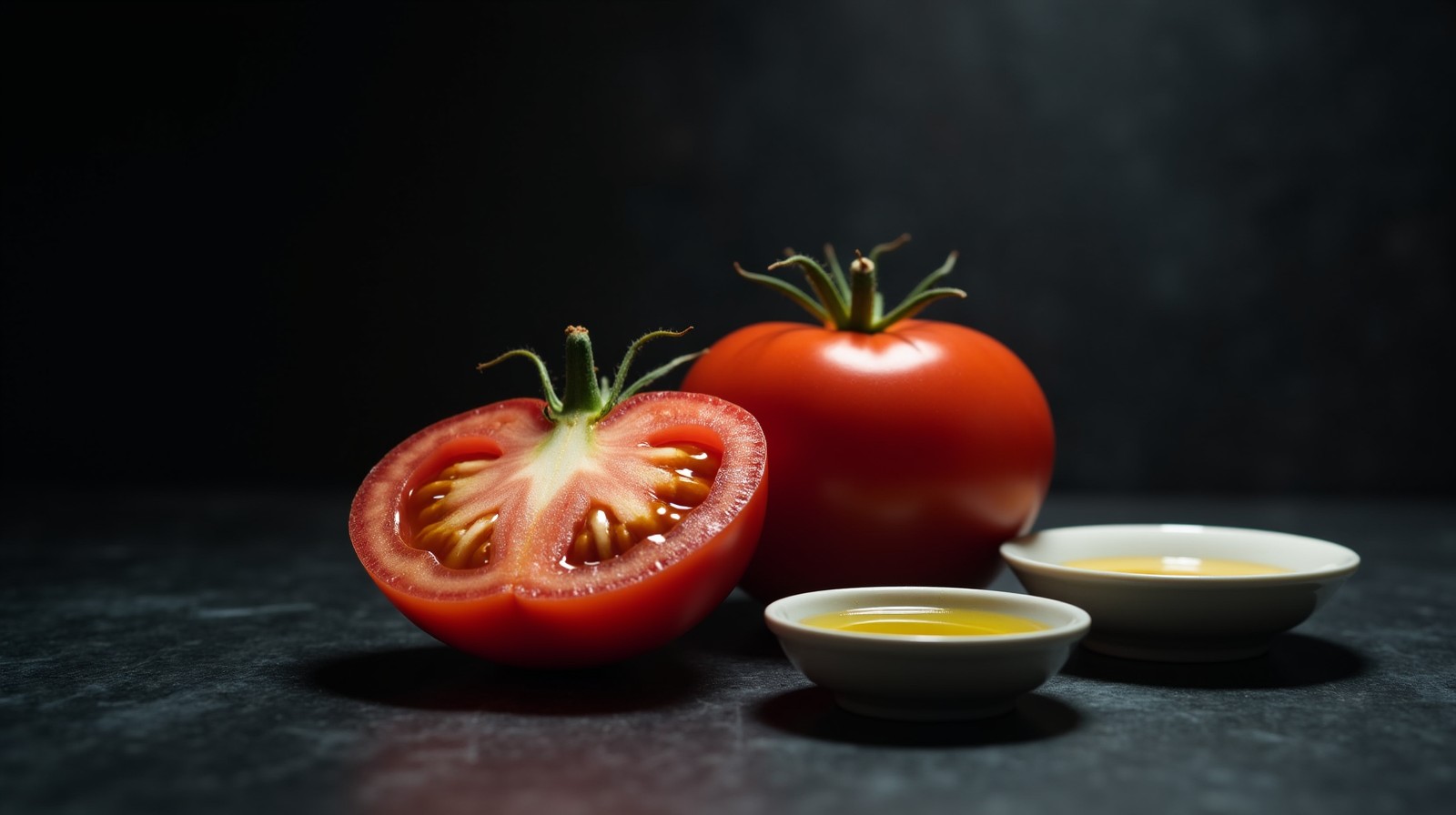
The compound is locked inside the cell wall — cooking with fat is what actually frees it.
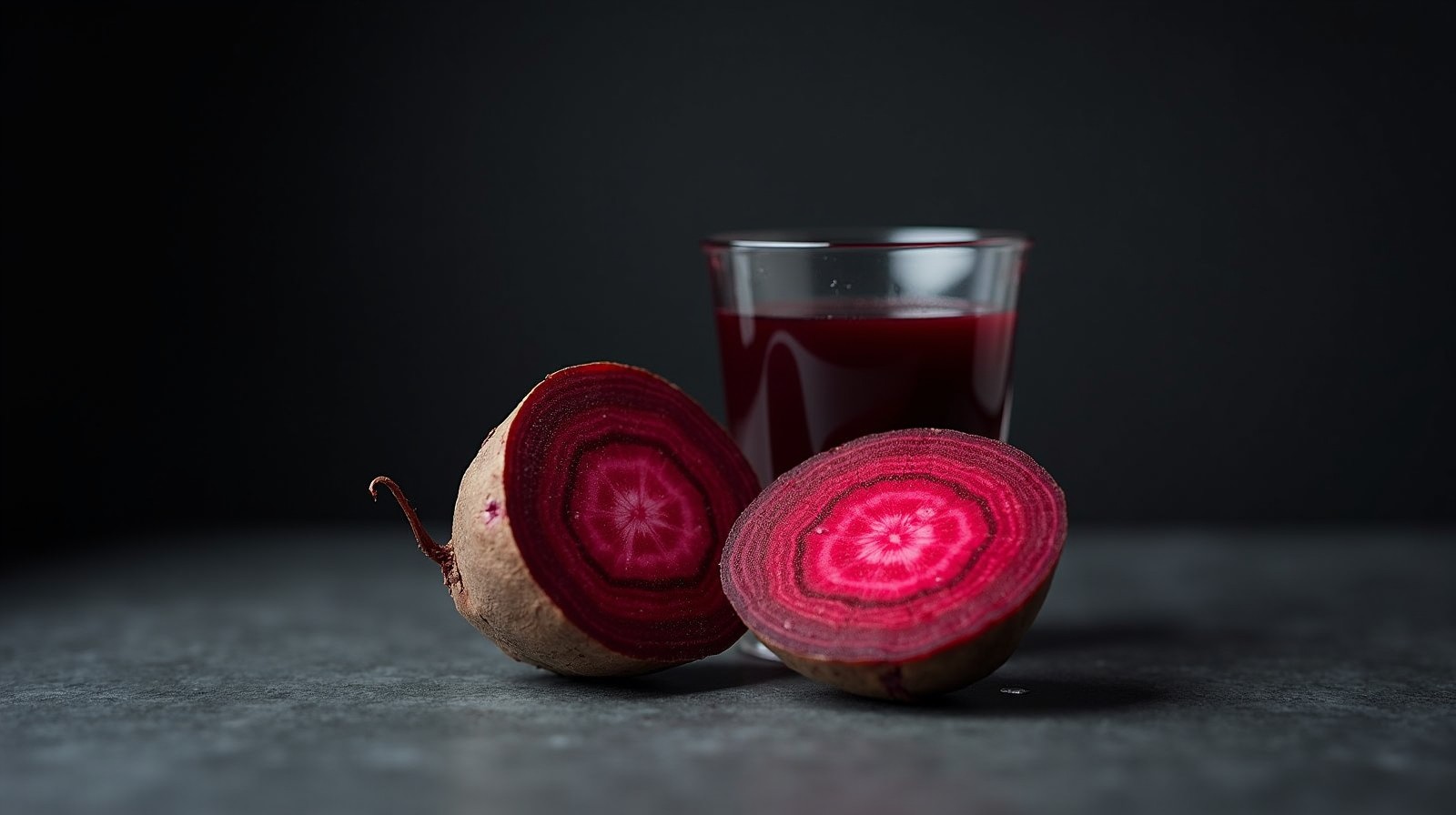
Age changed who actually benefited — and one common habit can shut the whole mechanism down.
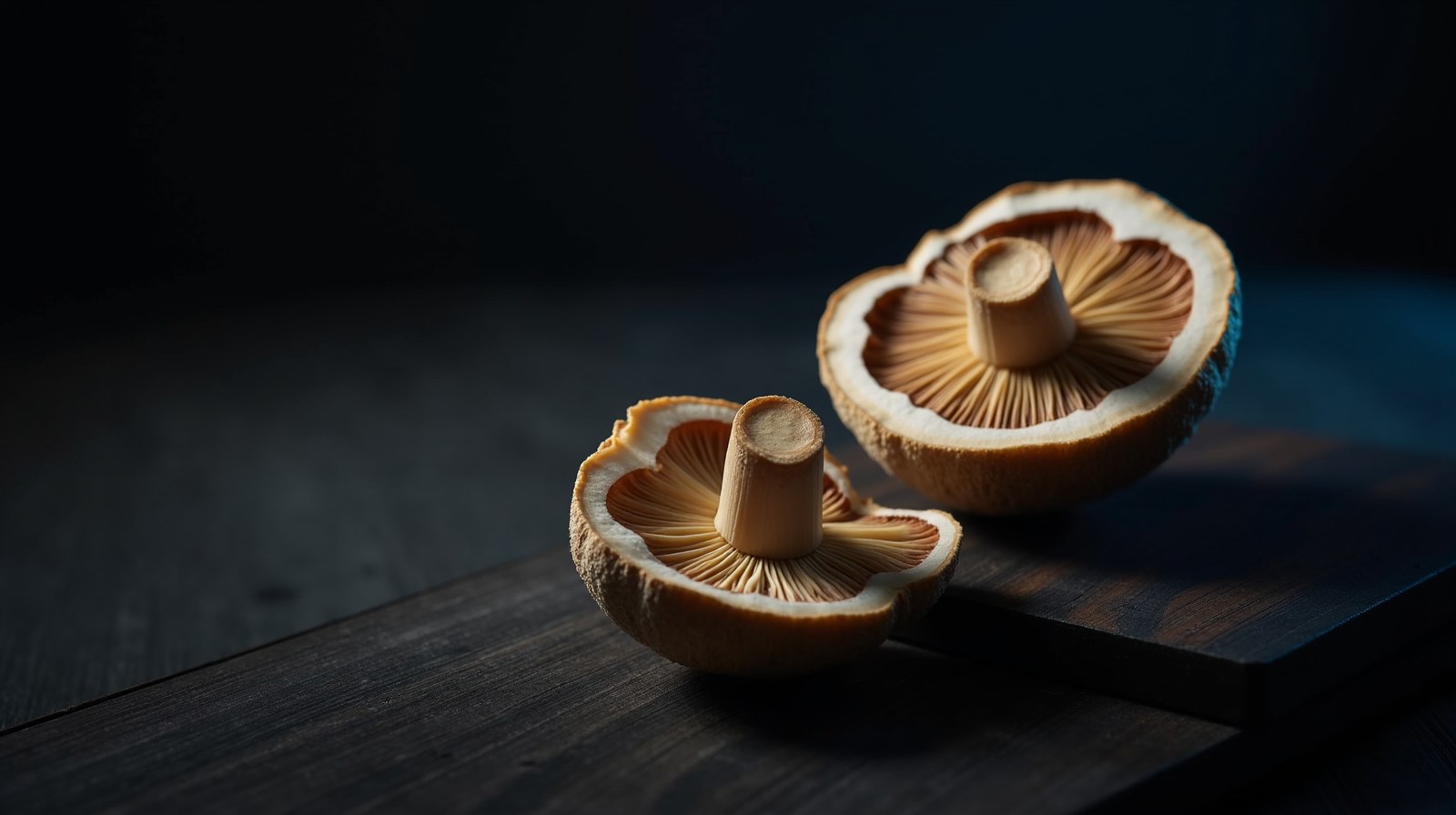
Fifteen minutes of sunlight before you cook them meaningfully changes what's on your plate.
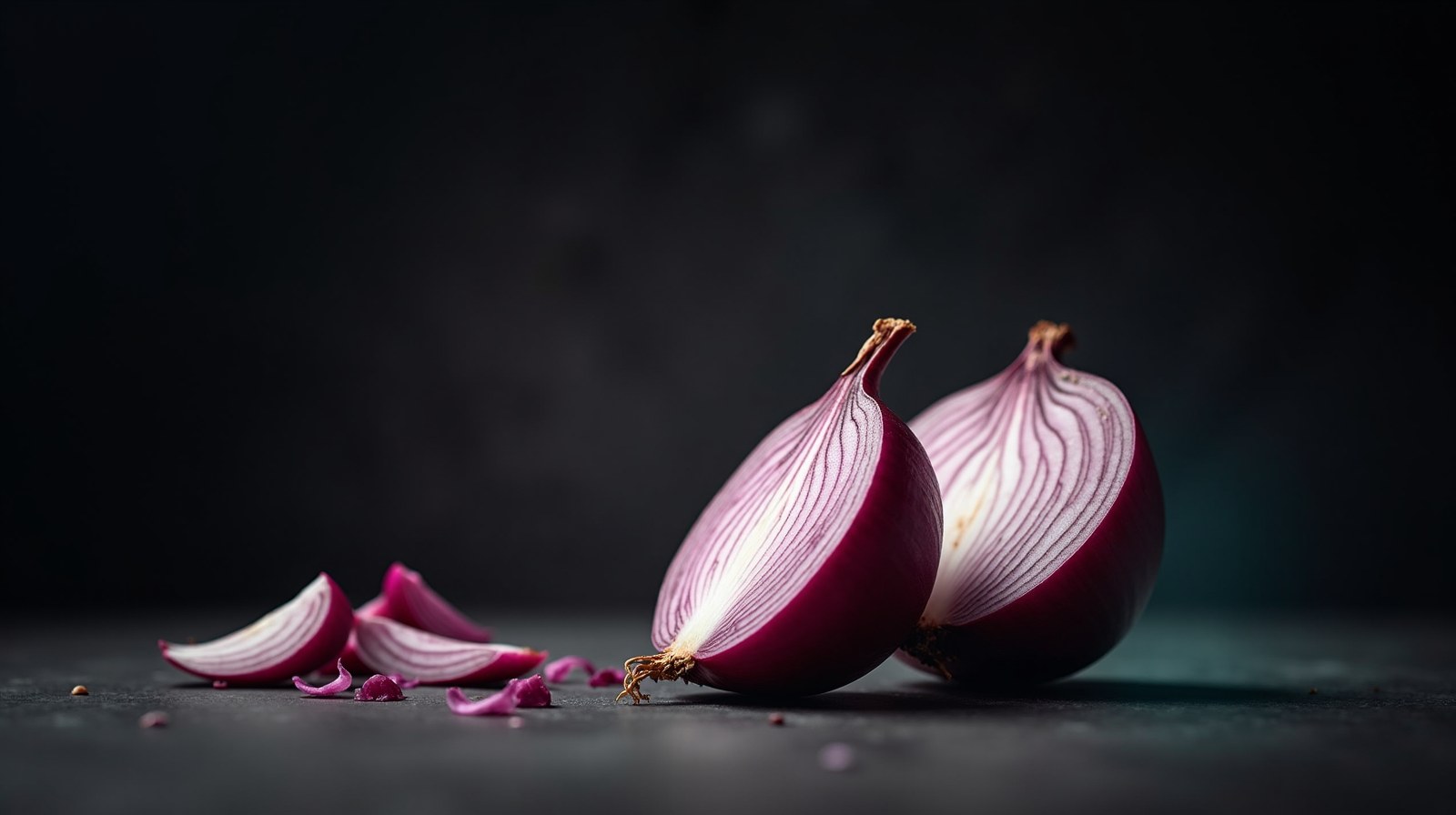
Quercetin cut post-surgery complications from 18% to 4% — and it's concentrated in the part most people discard.
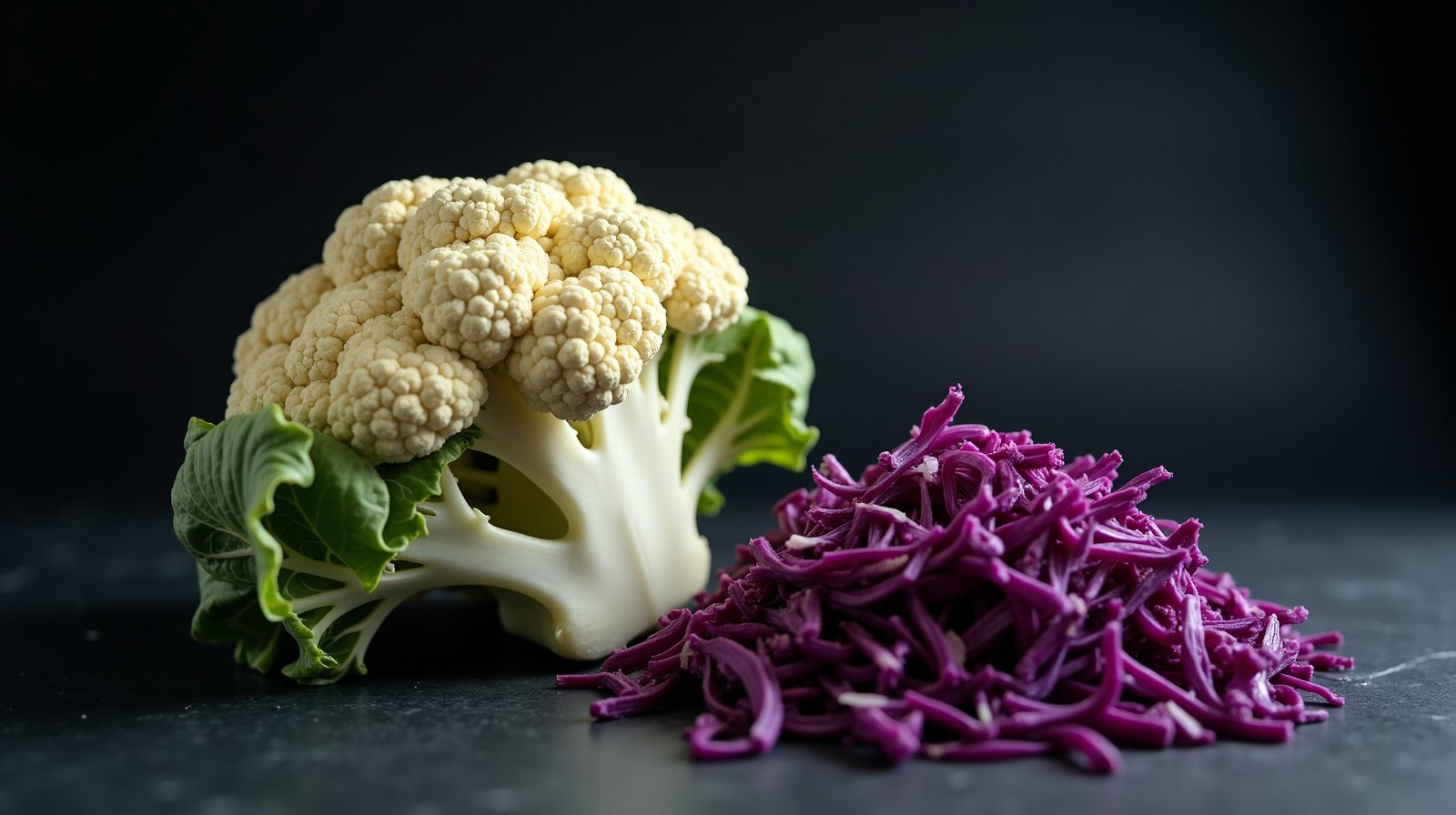
Broccoli gets the credit for one compound — cauliflower and cabbage carry a different one entirely.
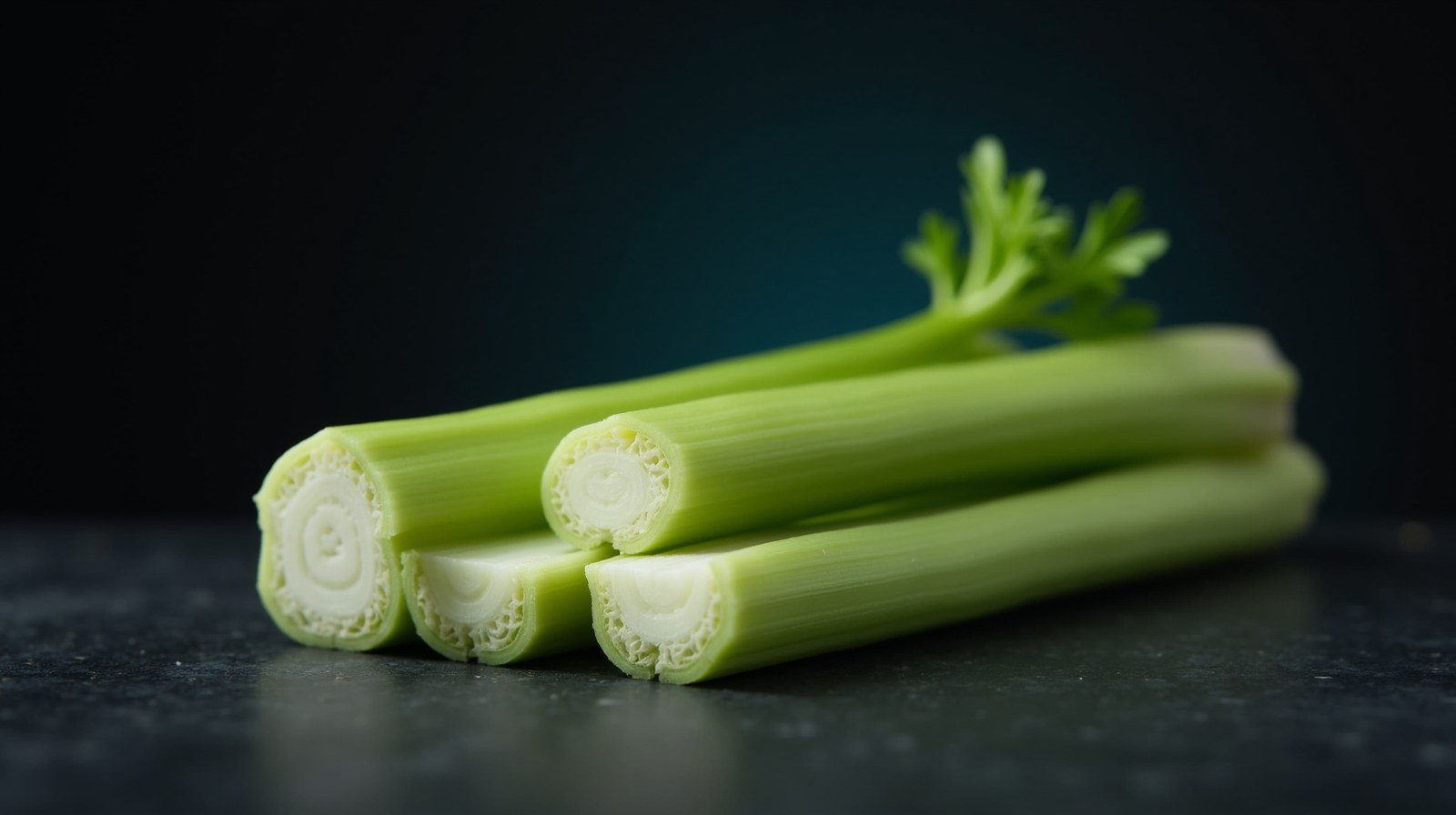
A 2025 meta-analysis points to a second compound doing real work alongside the nitrates.
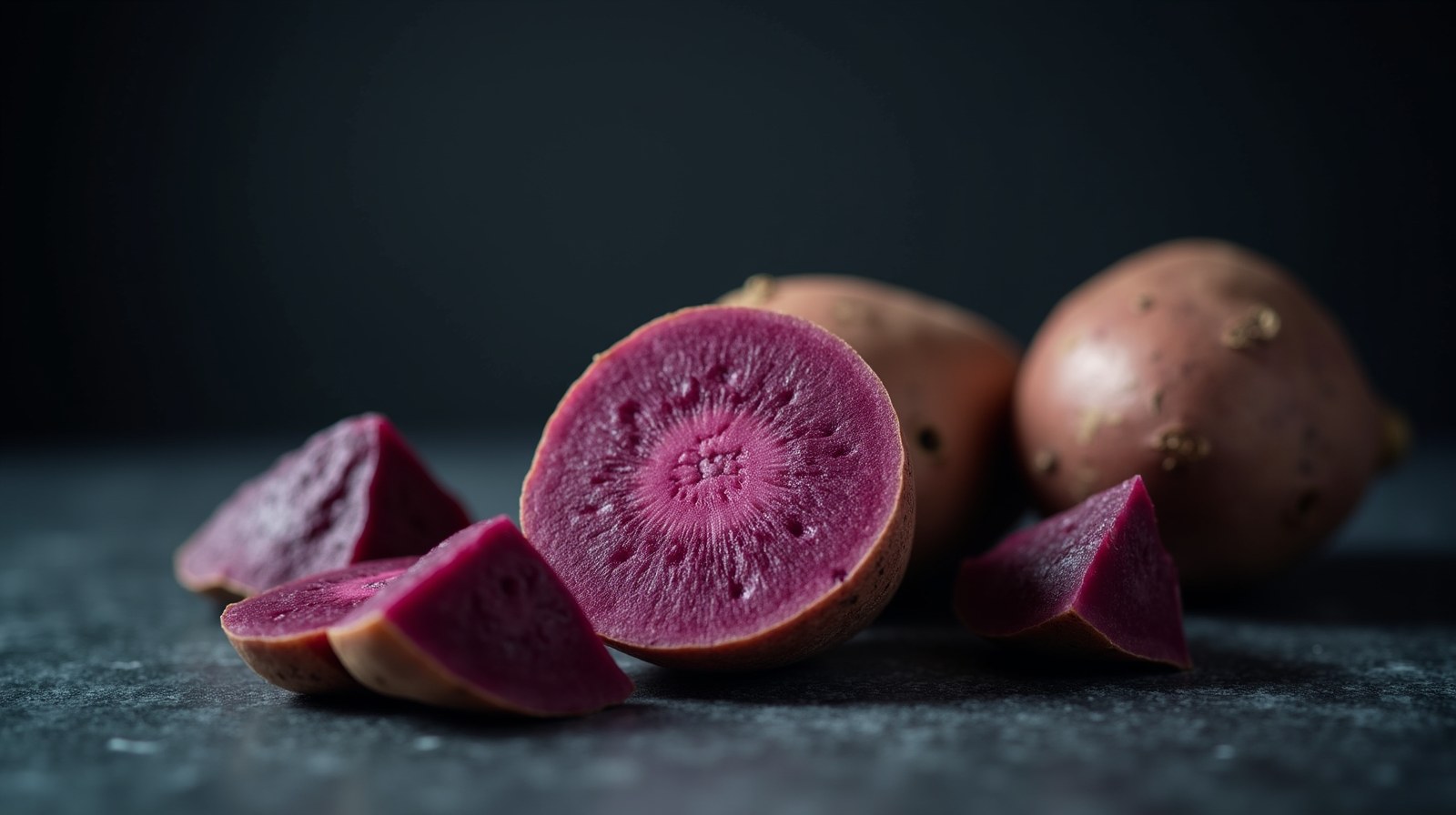
The purple color marks a completely different compound than the orange kind's beta-carotene.
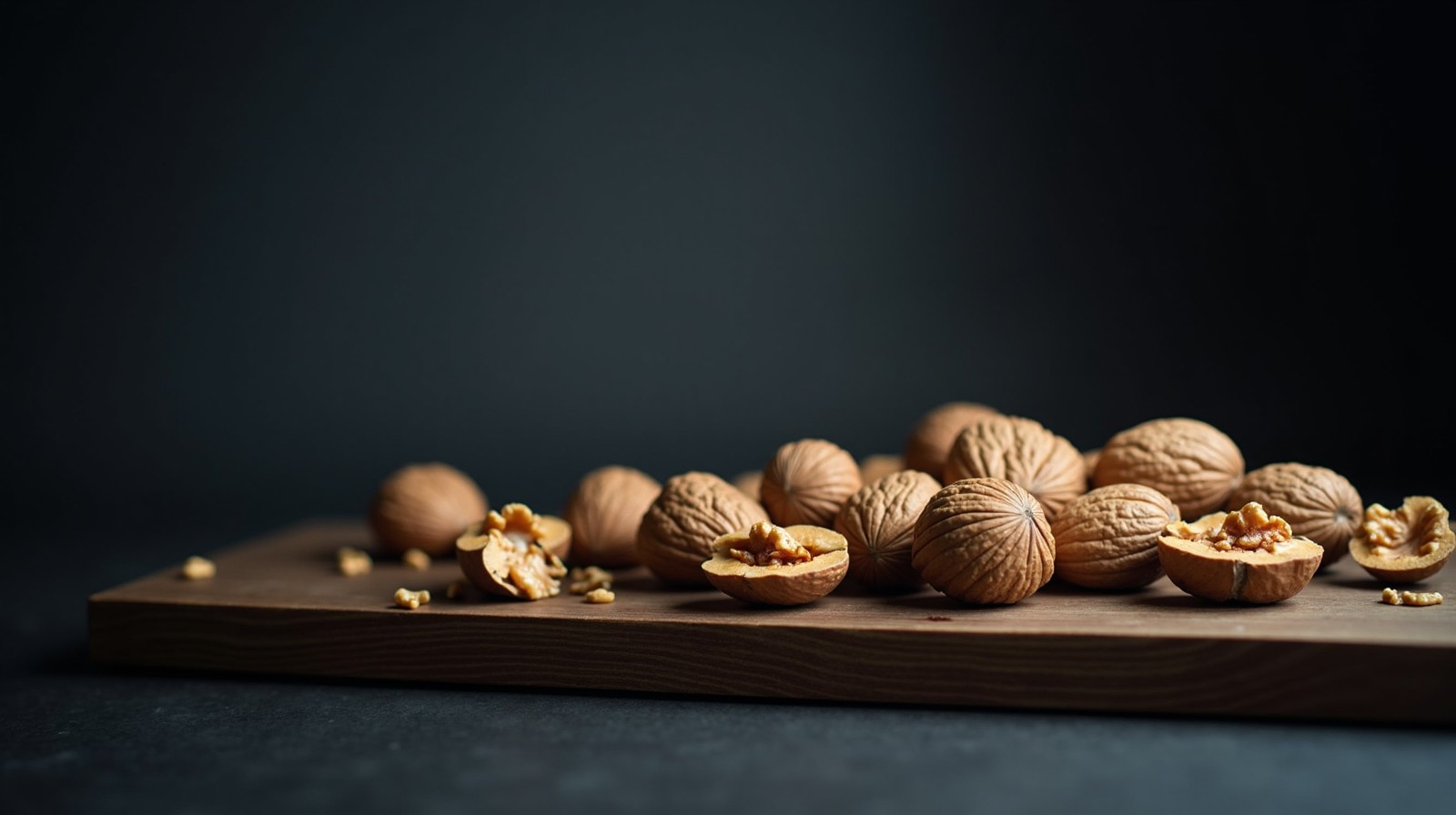
Walnuts carry more plant-based omega-3 than any other tree nut — here's what a 2026 study found it does at breakfast.
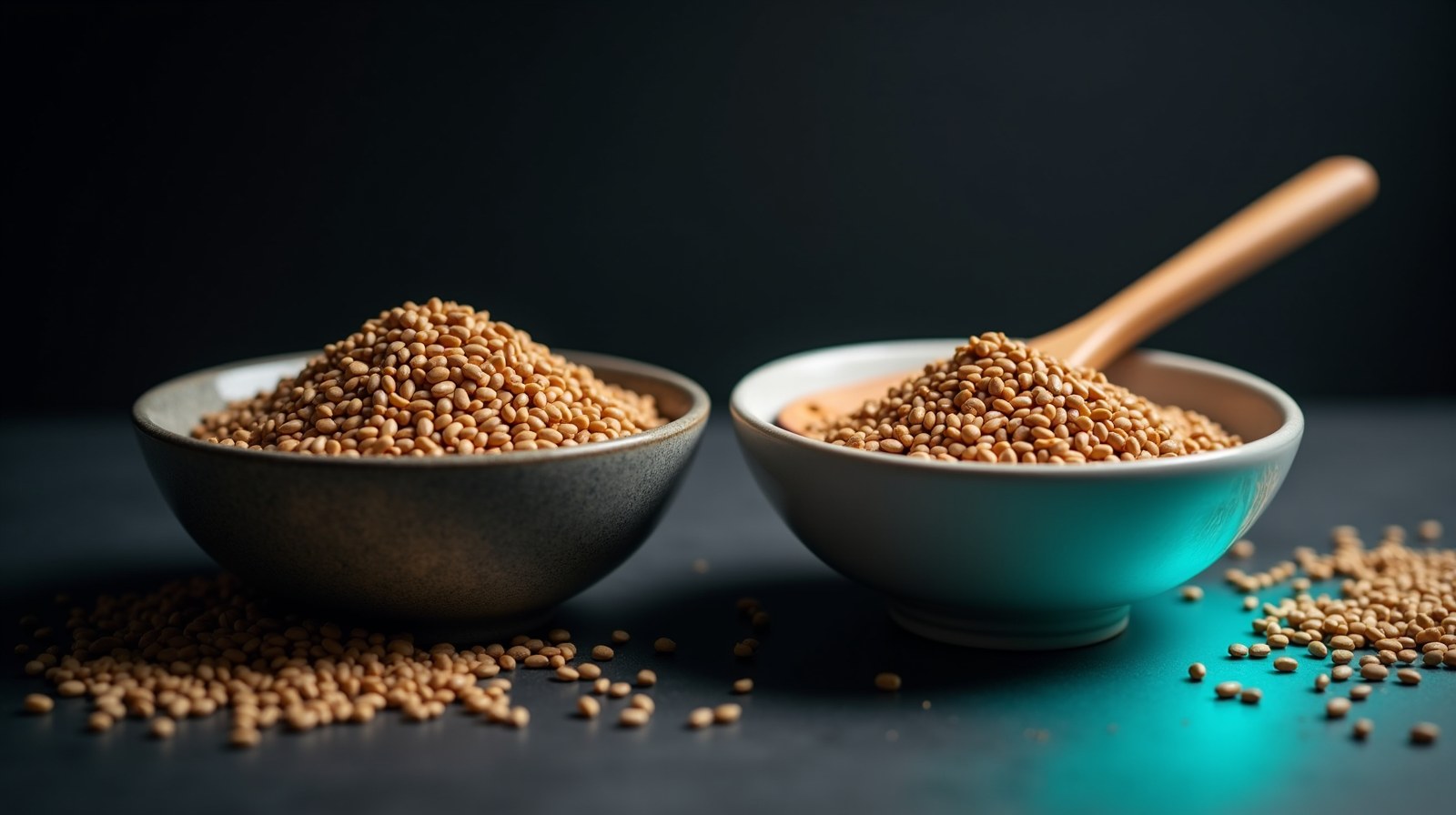
The compound flaxseed is famous for never gets absorbed unless the seed is broken open first.
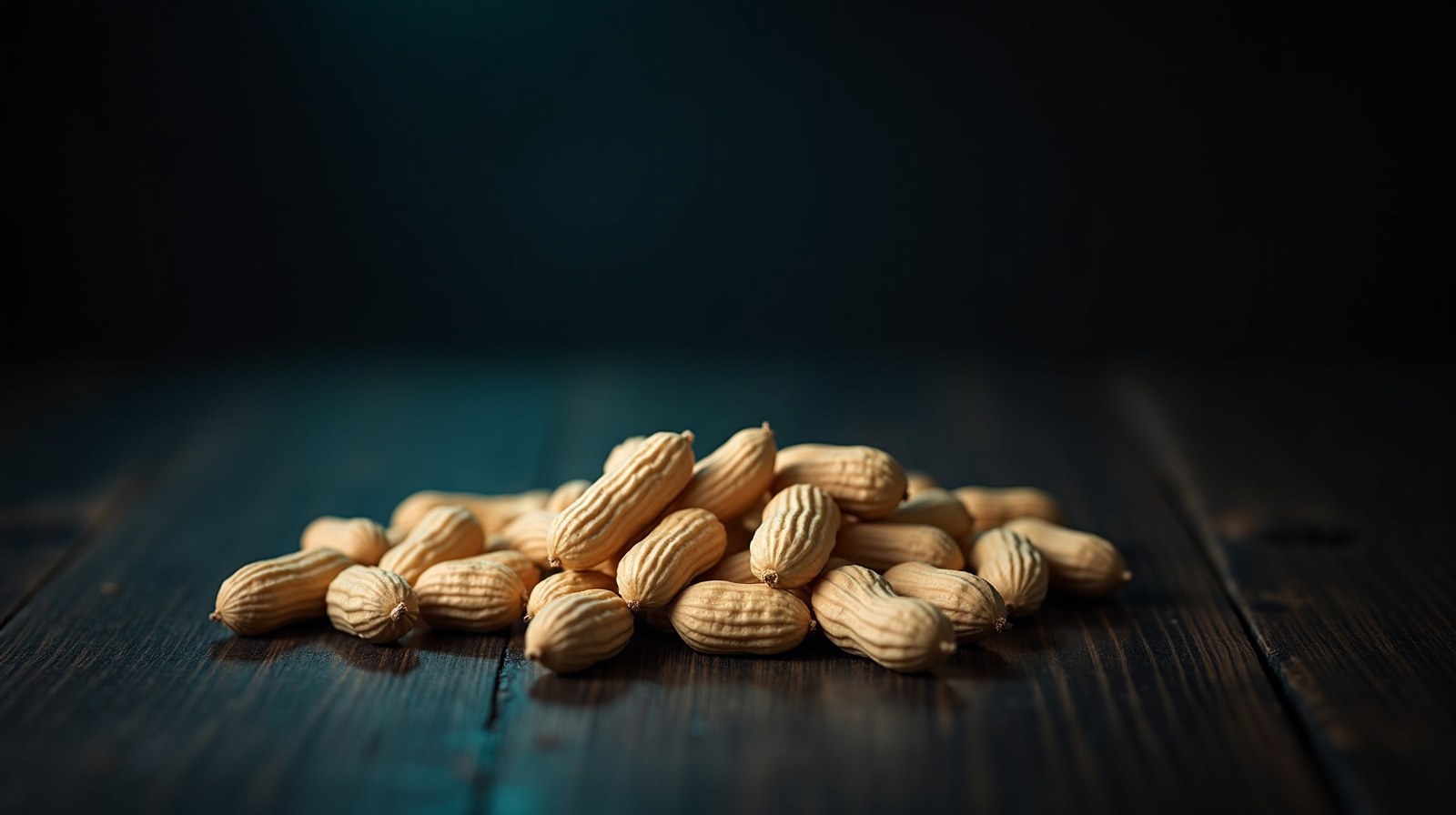
Parents were told to delay peanuts to prevent allergies. The actual trial found the opposite.
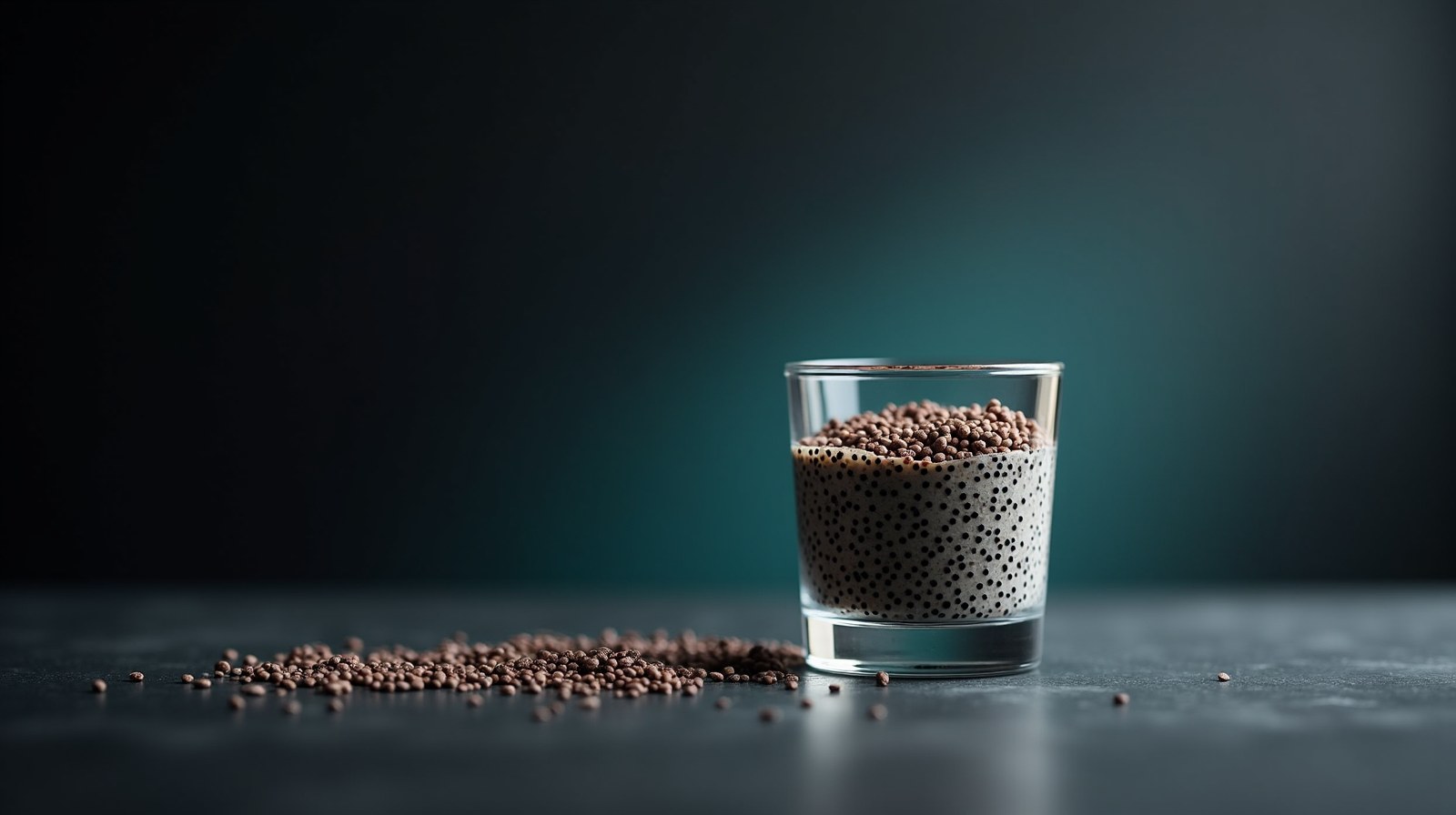
The fuller, steadier blood sugar people notice comes from what the seed does in water.
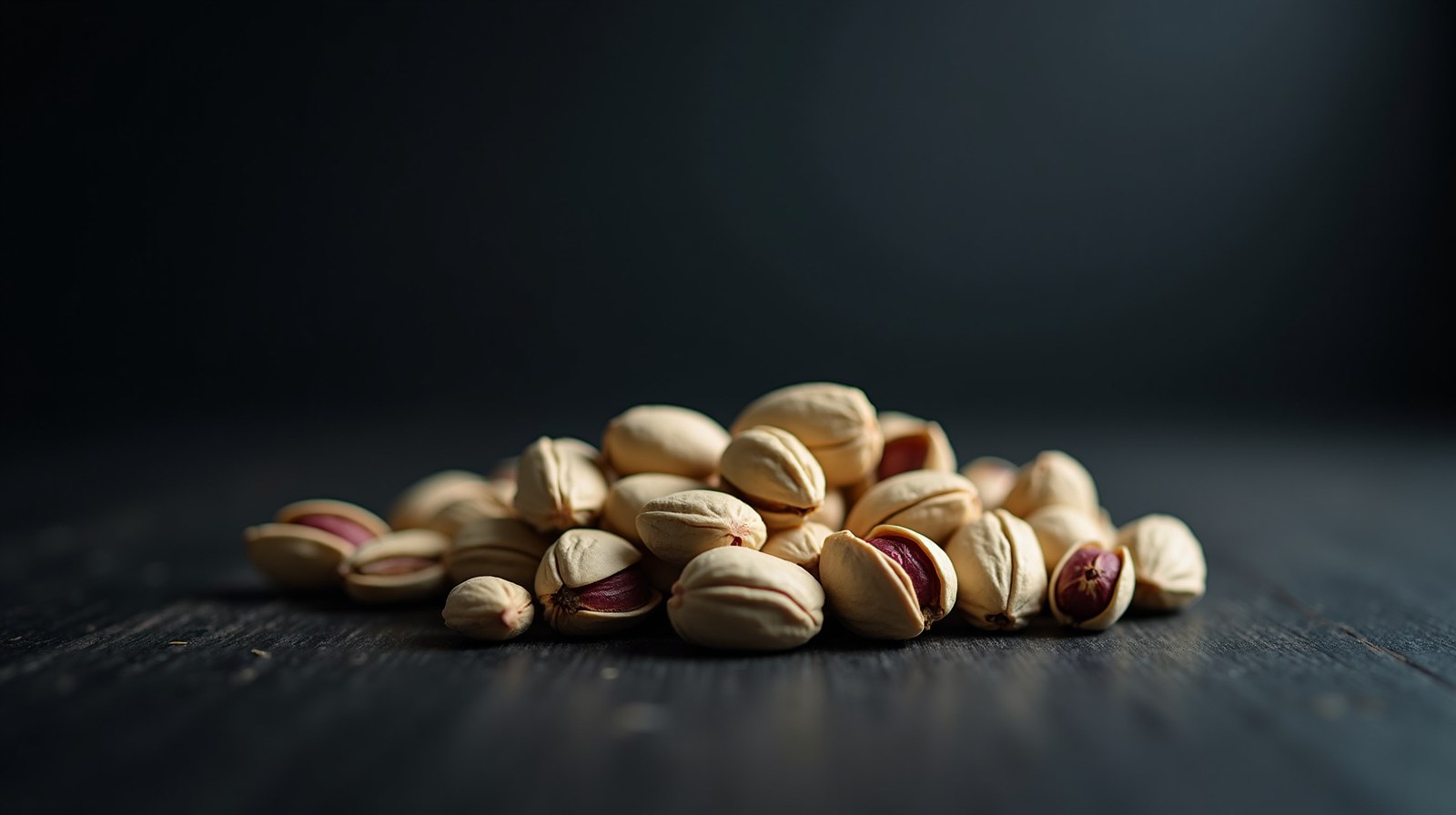
A 12-week trial found a prebiotic effect — plus a nutrient that accumulates in your retina.
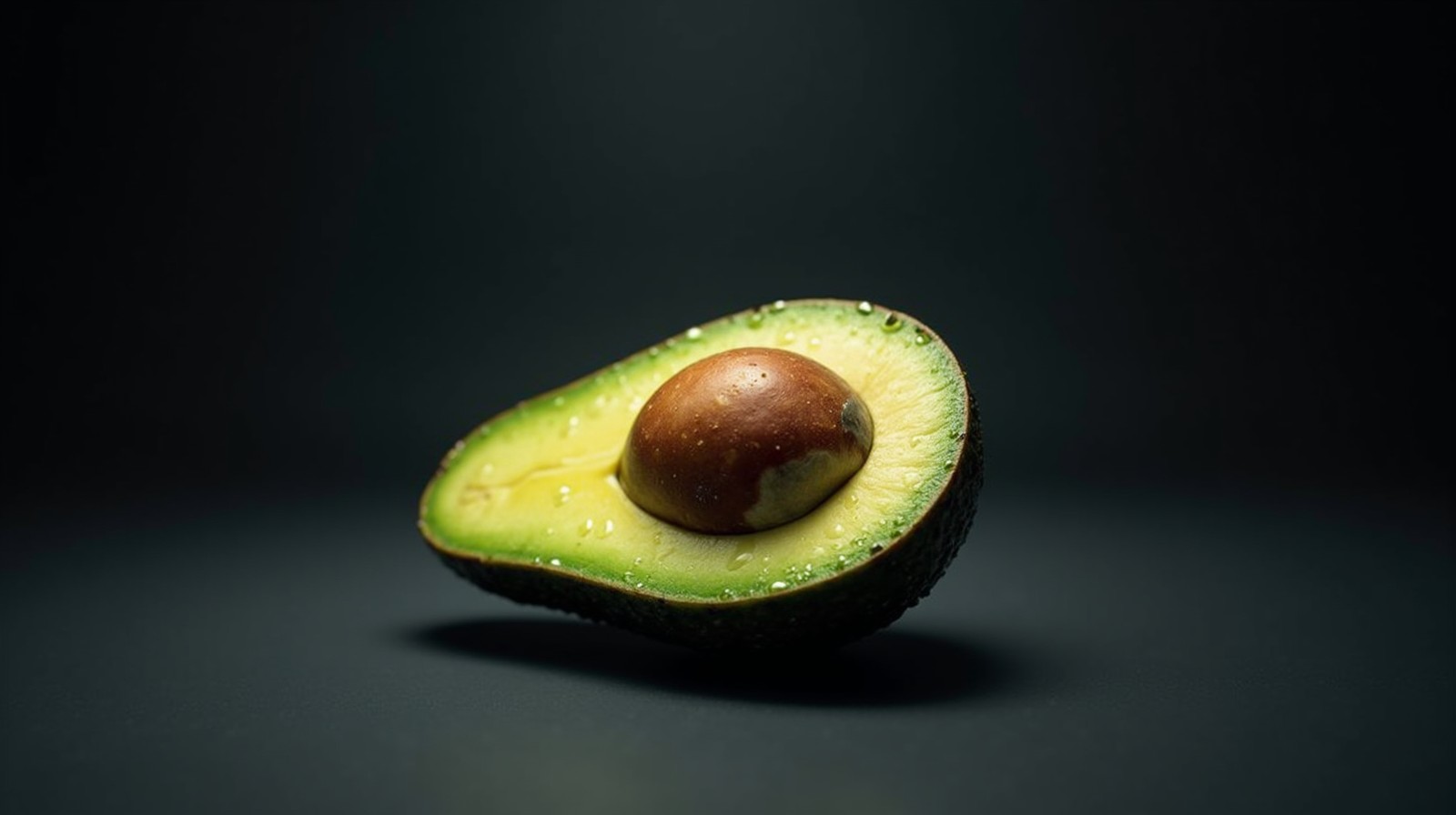
A six-month clinical trial of nearly 800 adults found something that surprised the researchers running it.
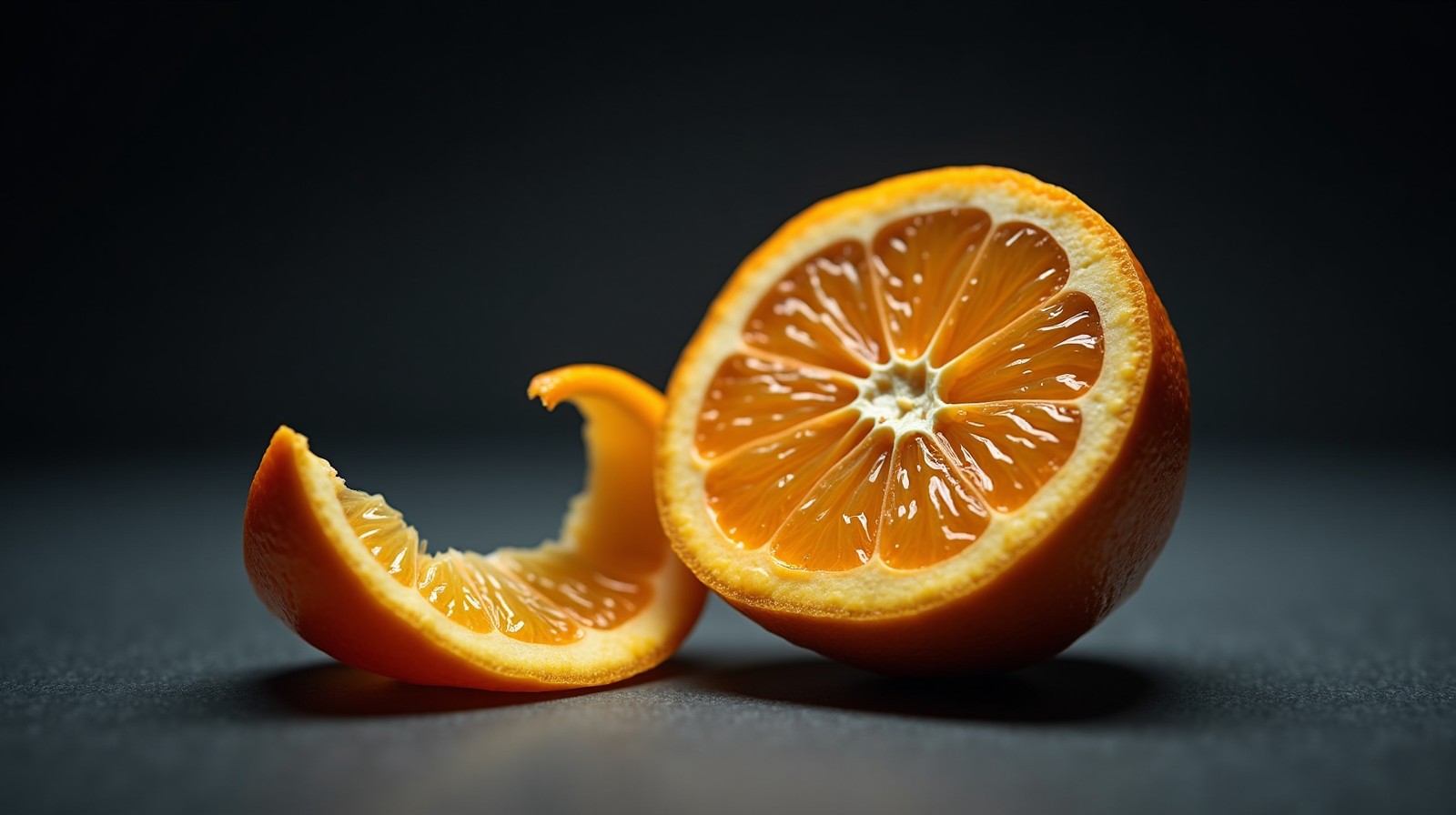
Citrus fruit packages vitamin C with a whole family of compounds most people throw in the compost bin.
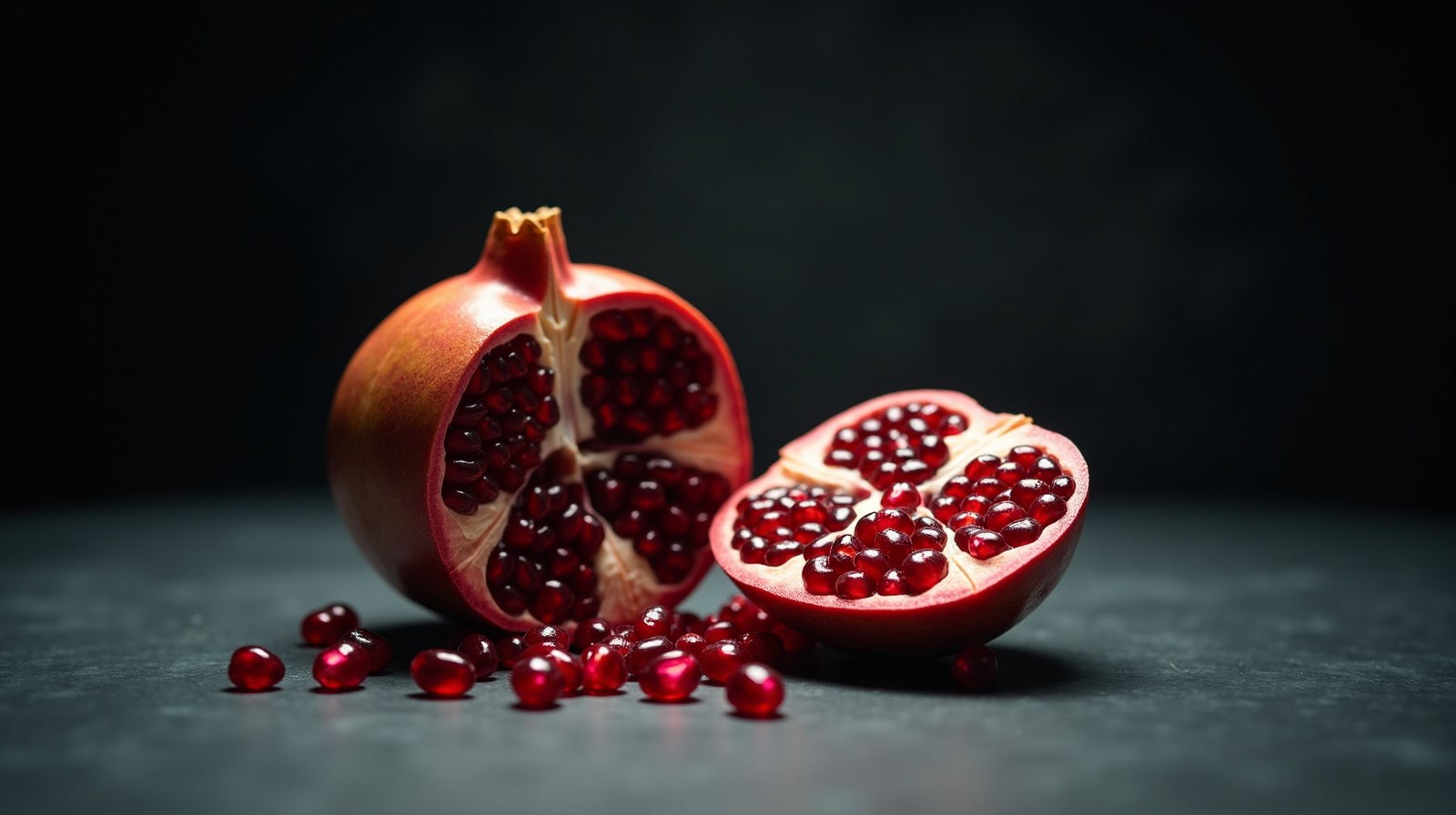
The compound behind pomegranate's reputation doesn't exist in the fruit until your gut bacteria make it.
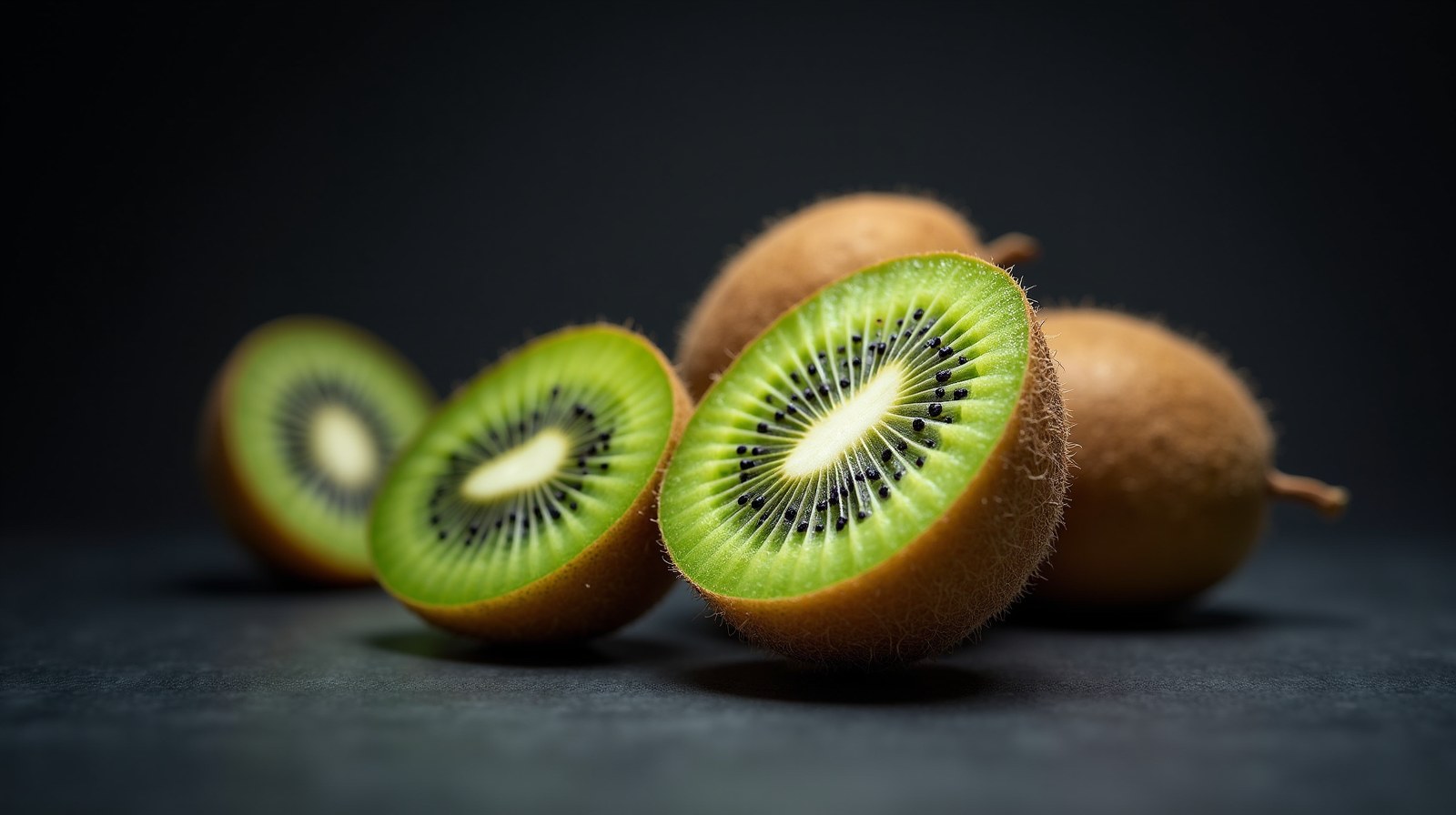
The timing detail buried in the actual studies gets left out of most "kiwi for sleep" claims.
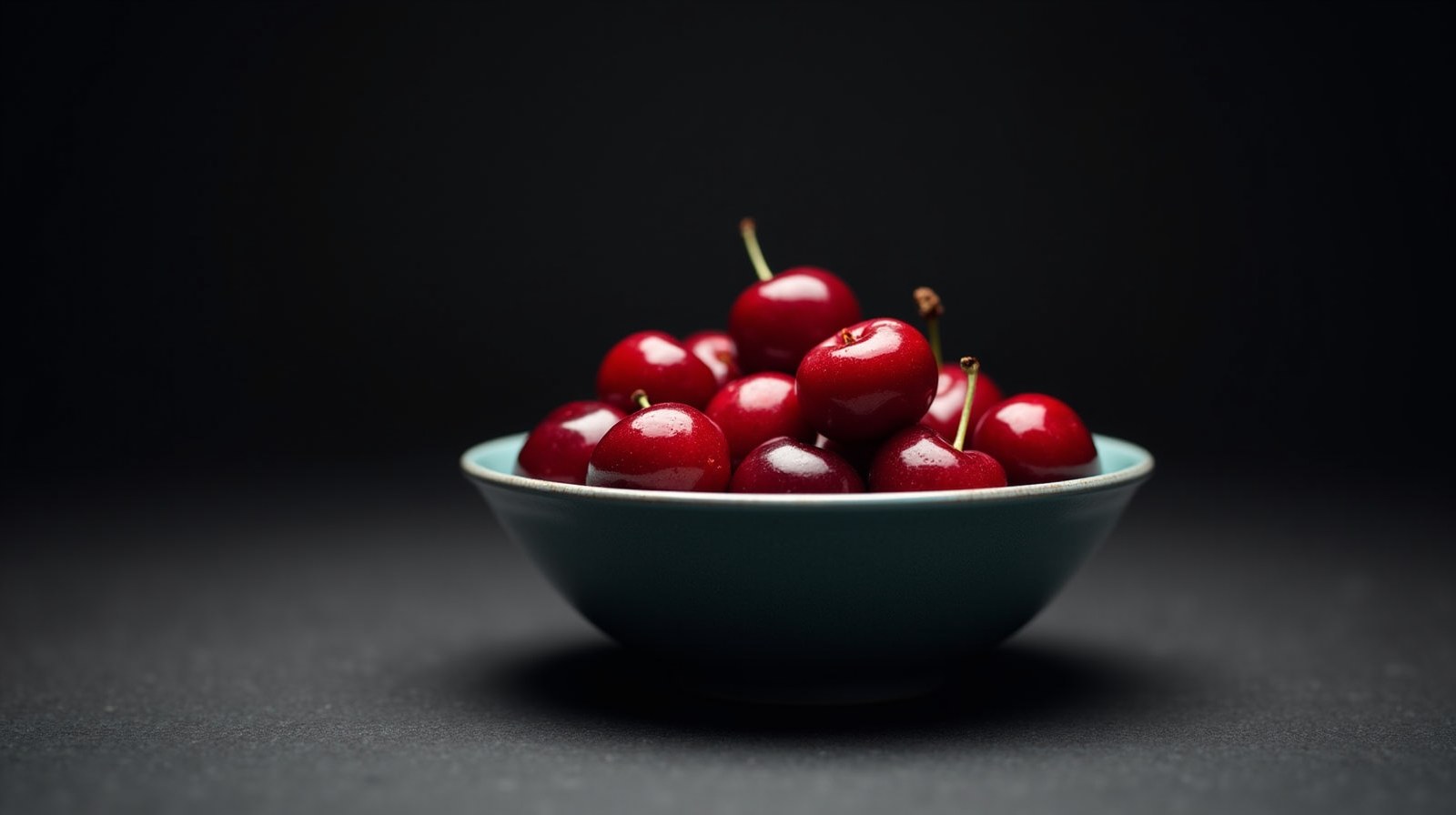
Real research backs both claims — but only one of them holds up consistently across studies.
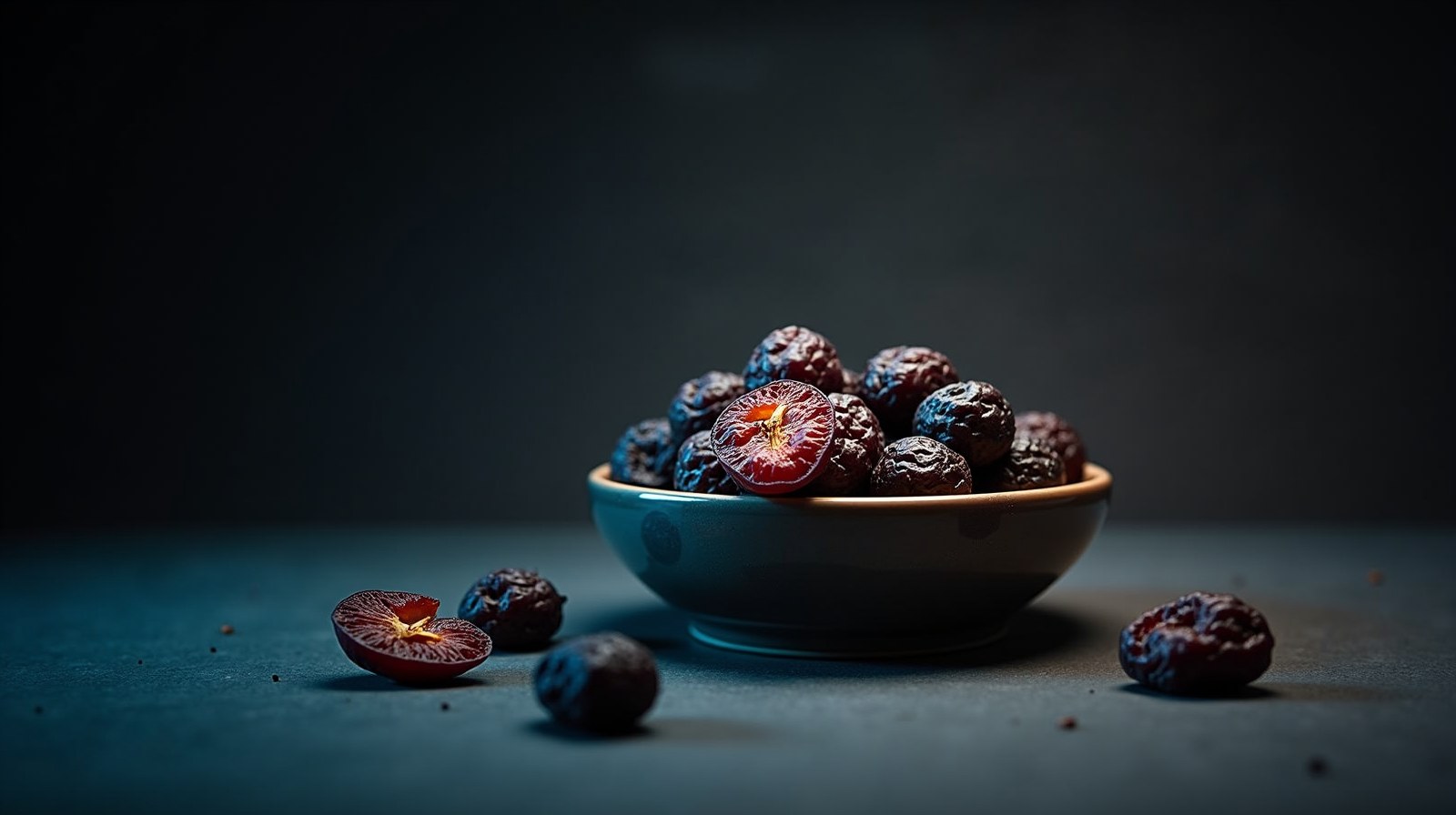
A 12-month randomized trial found 50g of prunes daily prevented hip bone loss in postmenopausal women.
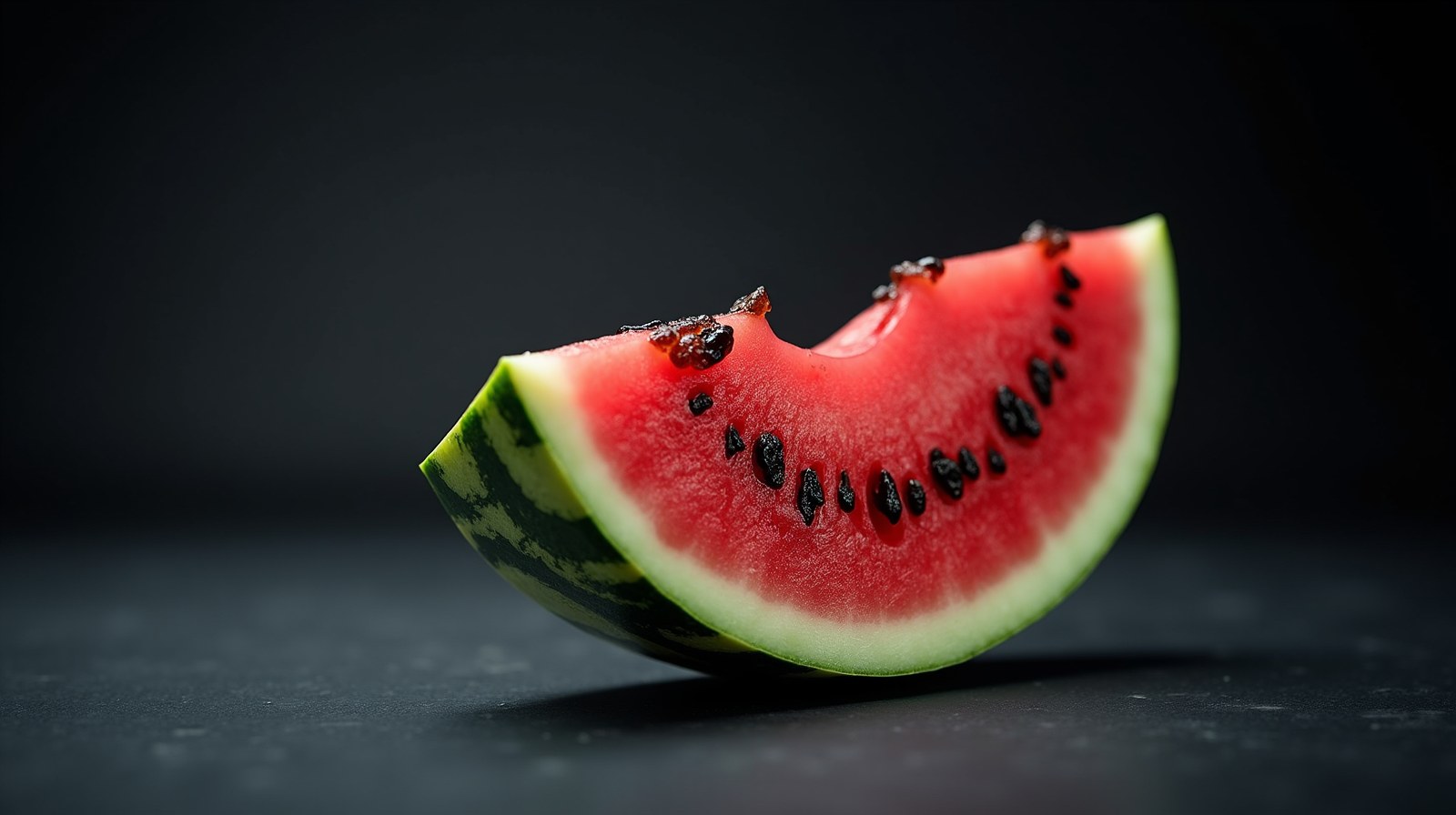
Real in the research — but only with consistent daily intake, and only if you already run high.
A 154-woman trial found a real effect on labor — but not the one most people assume.
The effect is real but modest — and mostly shows up around one specific moment in your day.
That throat-catching sting isn't a quality quirk — and most supermarket bottles barely have it.
A single dose improved cognitive function in trials — and lower doses beat higher ones.
A rare case of a home remedy beating the pharmacy product it's compared against.
A 2025 trial found real memory improvement — but a genetic variant changes who it works for.
Health officials call seed oils inflammatory — the newest research found the opposite.
A gut hormone your body already makes — and what diet can (and can't) do to it.
113 trials, 8,000 people — real but modest results, and not a fast fix.
A gym-bag supplement is now in Alzheimer's trials — at a dose far above typical use.
A 2026 meta-analysis found they raised insulin and HbA1c compared to water.
An estimated 2 in 3 adults are low — and standard blood tests miss most of it.
The cholesterol debate has pushed people away from the nutrient actually tied to memory.
Turkey's tryptophan is unremarkable — the real culprit is the carb-heavy sides.
A 23-trial meta-analysis found the "anabolic window" was really just about total protein.
Absorption failure from medication and age affects meat-eaters too, not just vegans.
Same grain, same label claim — very different result depending on processing.
Resistant starch survives reheating in rice and pasta — but potatoes play by the opposite rule.
Two loaves, same label, meaningfully different blood sugar response.
It's not willpower — here's the actual biology, sourced.
Three formats, three very different mechanisms — in plain terms.

What actually determines whether weight loss sticks, over months and years.