Cooling Rice Overnight Changes How It Hits Your Blood Sugar
The same bowl of rice can spike your blood sugar less — and rice and potatoes don't follow the same rule.
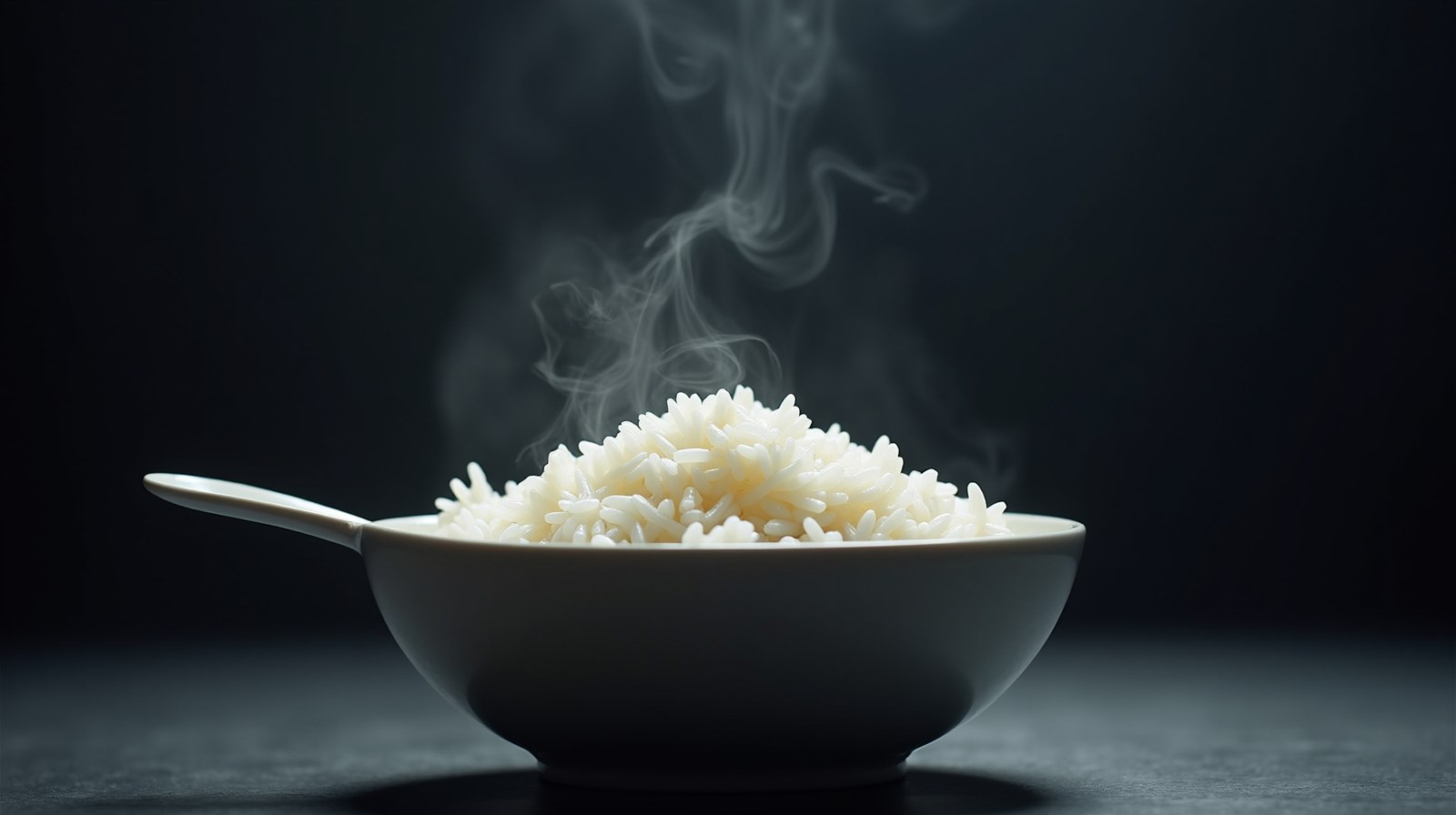
Cooling cooked starch triggers a process called retrogradation — the starch molecules re-crystallize into a tightly packed structure that human digestive enzymes can't fully break down. The result is "resistant starch," which behaves more like fiber: it resists digestion in the small intestine and instead feeds gut bacteria in the colon, producing a smaller blood sugar rise than the same food eaten fresh and hot.
Key Findings
- Rice cooled for 24 hours, then reheated, produced a meaningfully lower post-meal glucose response than fresh rice
- Resistant starch from cooling rice is heat-stable — reheating doesn't undo the benefit
- Cooling boiled potatoes increases resistant starch, but reheating them reduces it back near fresh-cooked levels
- The "cool it, then reheat it" trick that works for rice largely fails for potatoes
What controlled trials found
A randomized crossover study in people with type 1 diabetes found cooked white rice cooled for 24 hours, then reheated, produced a meaningfully lower post-meal glucose response than freshly cooked rice.1 Critically, resistant starch formed by cooling is heat-stable — reheating the rice didn't undo the benefit, because retrograded starch survives the reheating process largely intact.
Potatoes don't play by the same rule
Potatoes behave differently from rice and pasta. Research on chilled, pre-prepared potatoes found that while cooling boiled potatoes does increase resistant starch, reheating them afterward reduces that resistant starch content back down close to fresh-cooked levels.2 In other words, the "cool it, then reheat it" trick that works for rice largely fails for potatoes — reheating reverses most of the gain.
The practical takeaway
- Cook rice or pasta a day ahead and refrigerate — the resistant-starch benefit survives reheating the next day
- For potatoes, eat them cold (think potato salad) if the goal is the resistant-starch effect — reheating undoes most of it
- This is a modest, incremental effect, not a substitute for portion or carbohydrate-quality considerations
Sources
- "Does Resistant Starch Formed by Cooling Pasta Decrease the Postprandial Glycemic Response in Type 1 Diabetes? A Randomized Single-Blind Crossover Study." Nutrients. mdpi.com
- "Resistant Starch Production and Glucose Release from Pre-Prepared Chilled Food: The SPUD Project." PMC. pmc.ncbi.nlm.nih.gov