Why "5 Servings a Day" Doesn't Work the Same for Everyone
Same diet, different results — the standard guideline has a hidden assumption baked in.
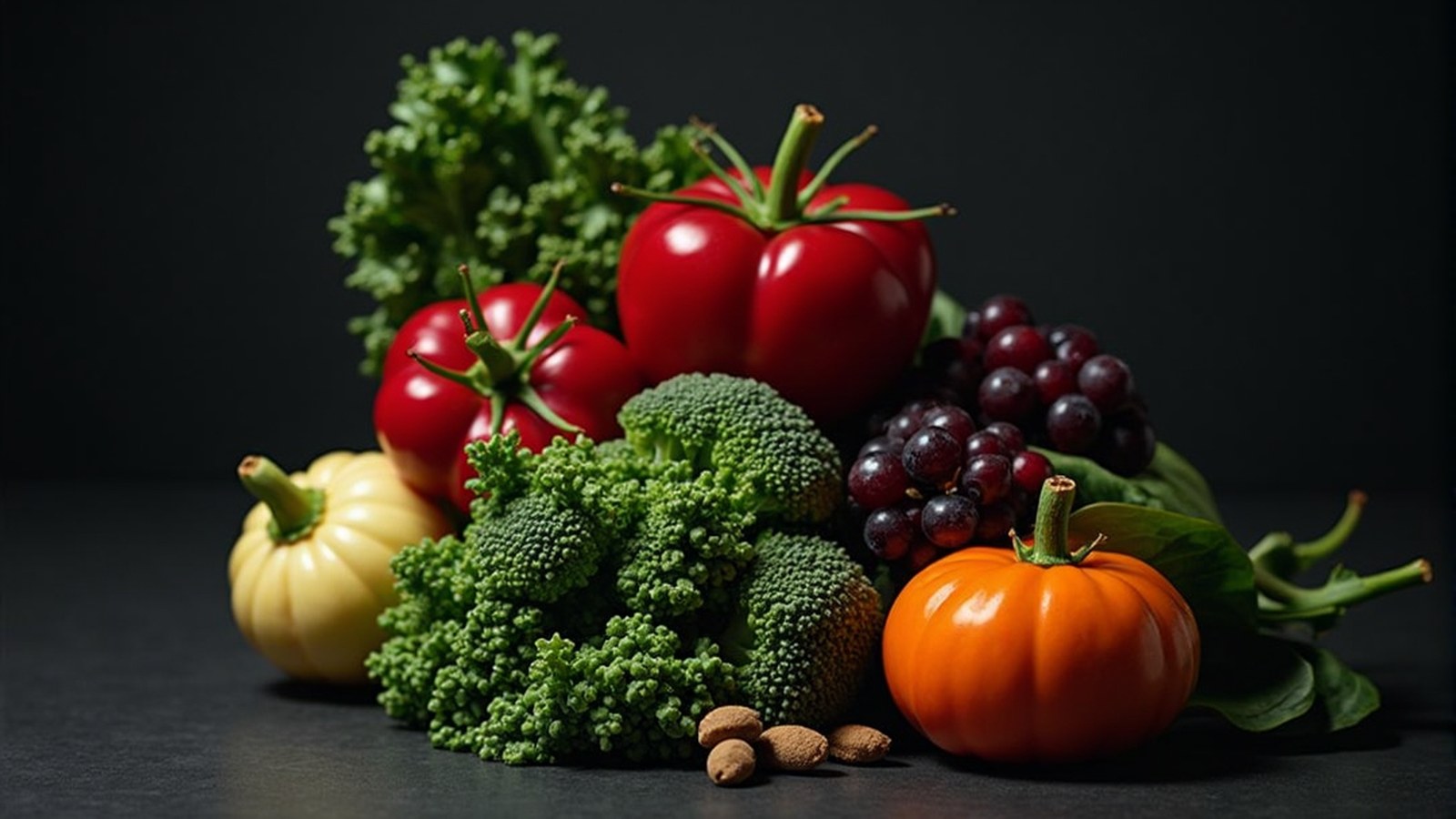
The standard advice is 5 servings of fruits and vegetables a day for gut health. 2026 research found that guideline doesn't guarantee the same benefit for everyone who follows it.1
Key Findings
- The standard "5 servings a day" guideline doesn't guarantee the same gut benefit for everyone
- The real bottleneck is whether your specific gut bacteria can ferment and extract benefit from fiber, not how much you eat
- Piling on more fiber without considering your gut's current state can sometimes make symptoms worse
- Researchers recommend prioritizing variety of fiber sources over maximizing total quantity
The real bottleneck isn't intake
The research points to something most fiber advice ignores: the real bottleneck isn't how much fiber you eat, it's whether your specific gut bacteria are capable of fermenting and extracting benefit from it. That capability varies significantly from person to person, based on which bacterial species someone's gut already hosts.
More isn't automatically better
In fact, the research found that in some cases, simply piling on more fiber without considering your gut's current state can actually make symptoms worse rather than better — particularly relevant for anyone who's tried "just eat more fiber" and found it backfired.
The practical takeaway
The practical recommendation from researchers: prioritize variety in fiber sources over maximizing total quantity. Different fiber types feed different bacterial species, so a varied intake gives more of your gut community something it can actually use — rather than betting everything on volume.
- Variety of fiber sources (not just total grams) is the more actionable target
- If more fiber has made symptoms worse for you, that's a real, documented pattern — not just intolerance
- Fermented foods (see our companion article) work through a different mechanism and may be worth adding alongside fiber, not instead of it
Sources
- "Fiber and the Microbiome: Good, Bad, or Indifferent." Gut Microbiota for Health, 2026. gutmicrobiotaforhealth.com