Ginger's Actual Clinical Track Record
The spice with more clinical backing than most standalone supplements.
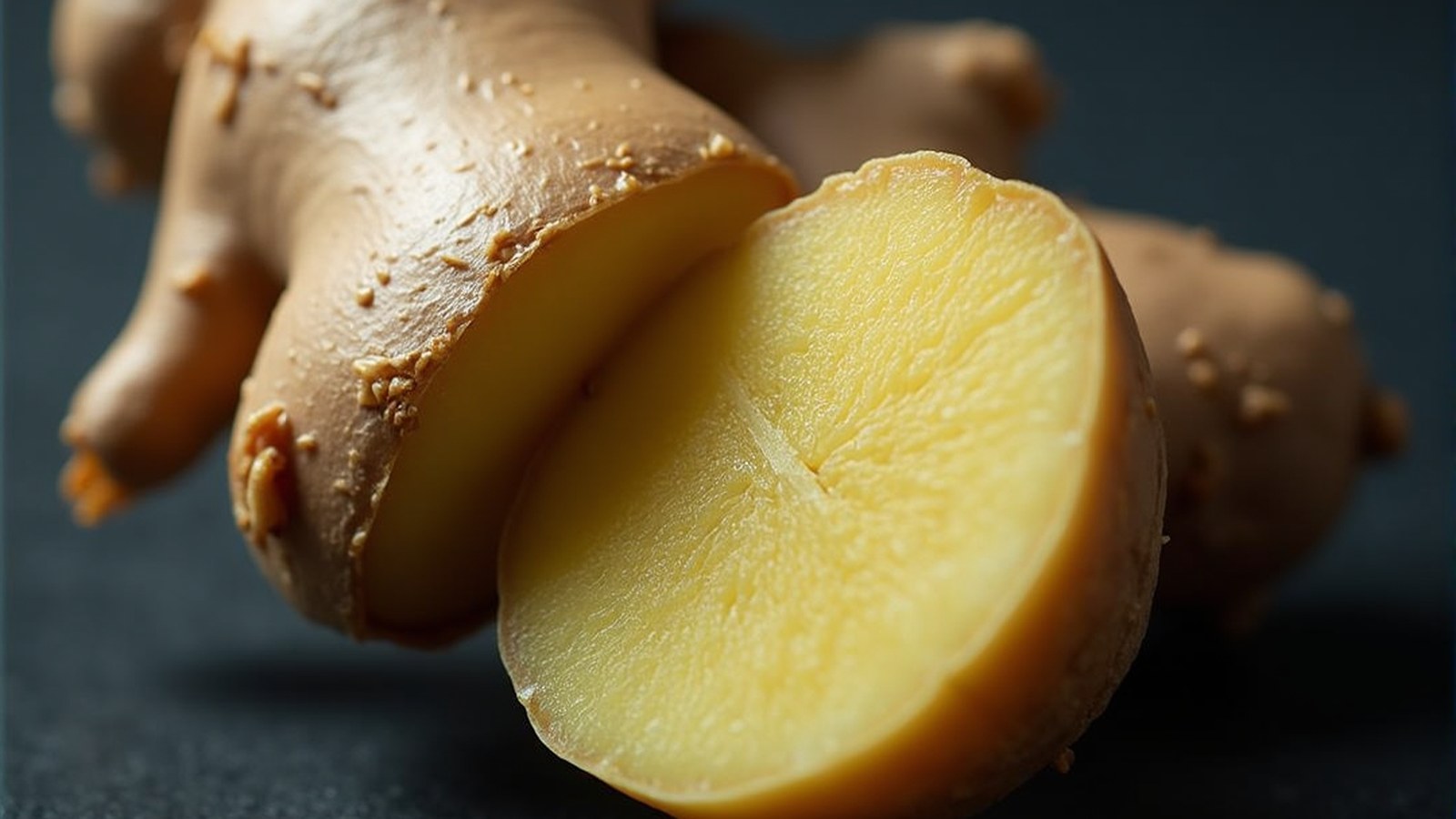
Ginger is one of the most consistently studied spices in nutrition research, particularly for nausea and inflammation — its bioactive compounds (gingerols and shogaols) have been reviewed across dozens of clinical and preclinical studies.1
Key Findings
- Ginger's activity comes from gingerols and shogaols, reviewed across dozens of clinical and preclinical studies
- Drying ginger converts gingerols into shogaols, giving fresh and dried ginger different activity profiles
- Combined with turmeric and garlic, ginger may improve lipid profiles — lowering total cholesterol, LDL, and triglycerides while raising HDL
- Ginger's strongest evidence base is specifically for nausea and inflammation, not general wellness
Fresh vs. dried aren't the same thing
Fresh and dried ginger aren't chemically identical. The ratio of active compounds shifts during drying — fresh ginger is higher in gingerols, while drying converts a portion of these into shogaols, which have a somewhat different activity profile. This is part of why traditional medicine systems have historically treated fresh and dried ginger as suited to different uses rather than interchangeable.
Ginger, turmeric, and garlic together
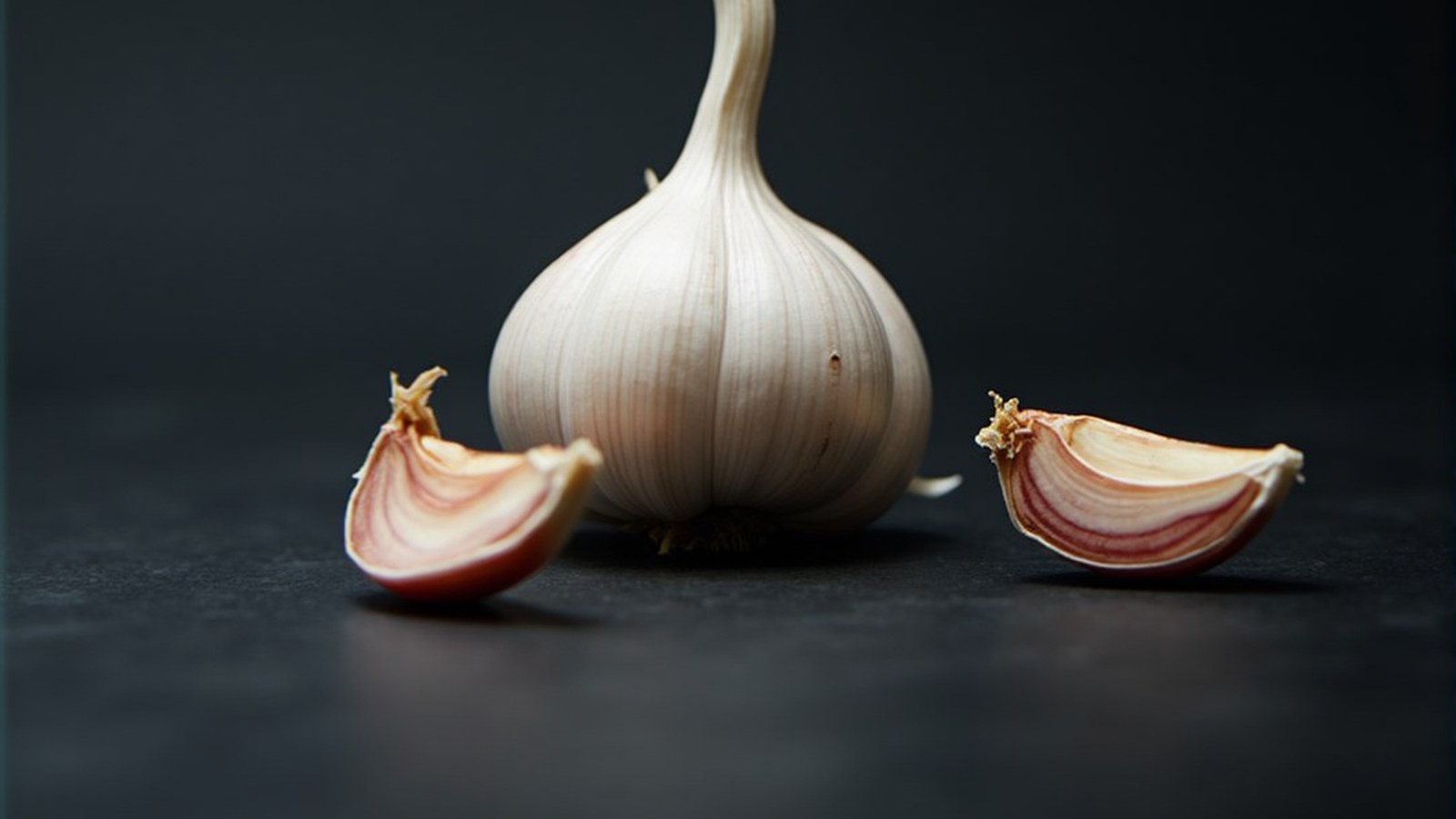
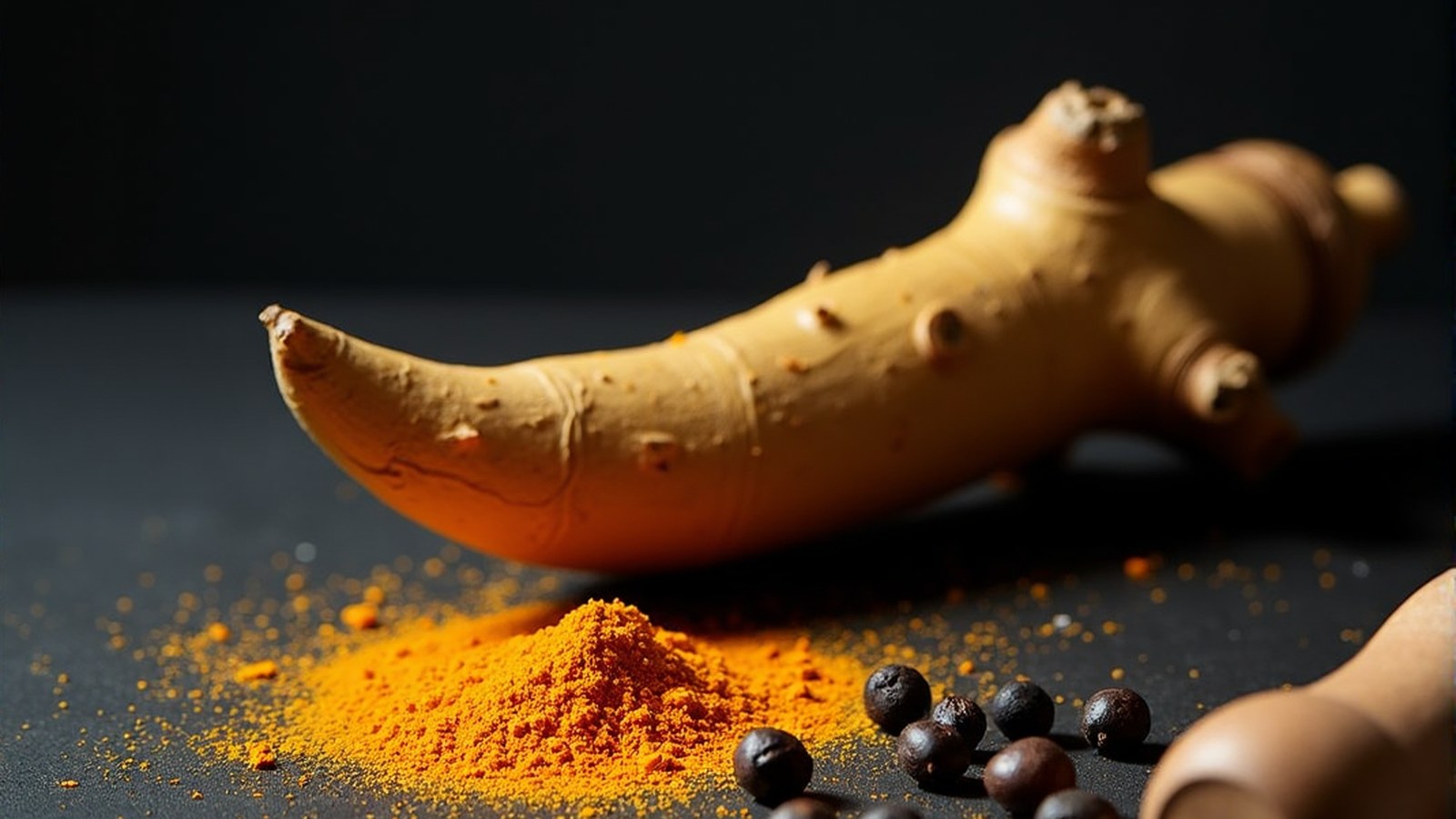
Research on ginger, turmeric, and garlic together suggests their bioactive compounds work in complementary rather than redundant ways — reviews specifically covering cardio-protective effects found combined use may improve lipid profiles (lowering total cholesterol, LDL, and triglycerides while raising HDL) more than expected from any single ingredient.2
The practical takeaway
- Fresh ginger and dried/powdered ginger aren't strictly interchangeable in cooking or traditional use
- Ginger's research base leans heaviest toward nausea and inflammation specifically, not general wellness claims
- Combining ginger with turmeric and garlic taps complementary compounds rather than duplicating the same one
Sources
- "Functional bioactive compounds in ginger, turmeric, and garlic." Frontiers in Nutrition. frontiersin.org
- "Exploring the Cardio-Protective Effect of Bioactive Compounds Present in Ginger, Garlic, and Turmeric." ResearchGate. researchgate.net