Why Turmeric Does Almost Nothing in Your Body Alone
The compound everyone talks about is poorly absorbed on its own — here's the fix, and what it's linked to when it works.
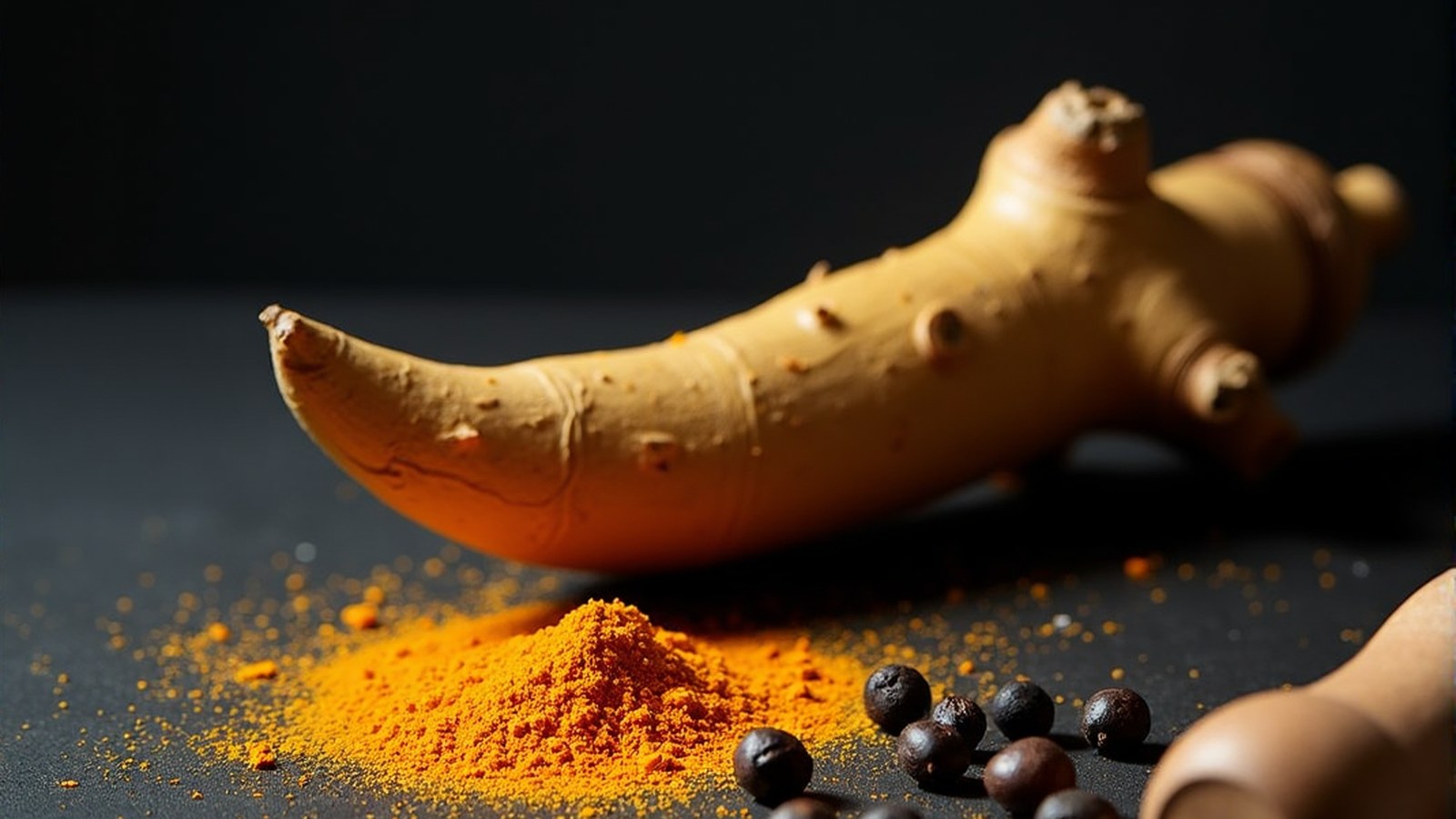
Turmeric was named 2026's Herb of the Year, largely on the strength of curcumin, its most studied active compound.1 There's a catch that rarely makes it into the marketing: curcumin is very poorly absorbed by the human body on its own — most of what you eat passes straight through without ever reaching the bloodstream in meaningful amounts.
Key Findings
- Curcumin is poorly absorbed on its own — most of it passes through without reaching the bloodstream
- A 2025 analysis found bioavailable curcumin linked to improvements in working memory, processing speed, and mood
- Piperine, from black pepper, inhibits the enzyme pathway that breaks curcumin down before absorption
- Pairing turmeric with black pepper and a dietary fat source is the combination used in trials that found benefits
What curcumin is linked to when it's actually absorbed
A 2025 analysis of multiple clinical trials found that bioavailable curcumin was linked to measurable improvements in working memory, processing speed, and mood — but the operative word is "bioavailable." The benefit only shows up in trials where absorption was specifically addressed.
The fix: black pepper and a fat source
Piperine, the compound responsible for black pepper's bite, inhibits an enzyme pathway that would otherwise break curcumin down before it can be absorbed. Pairing turmeric with black pepper — and a source of dietary fat, since curcumin is fat-soluble — is the combination most consistently used in the trials that found positive effects.
The practical takeaway
- Turmeric powder alone, without pepper or fat, likely delivers very little usable curcumin
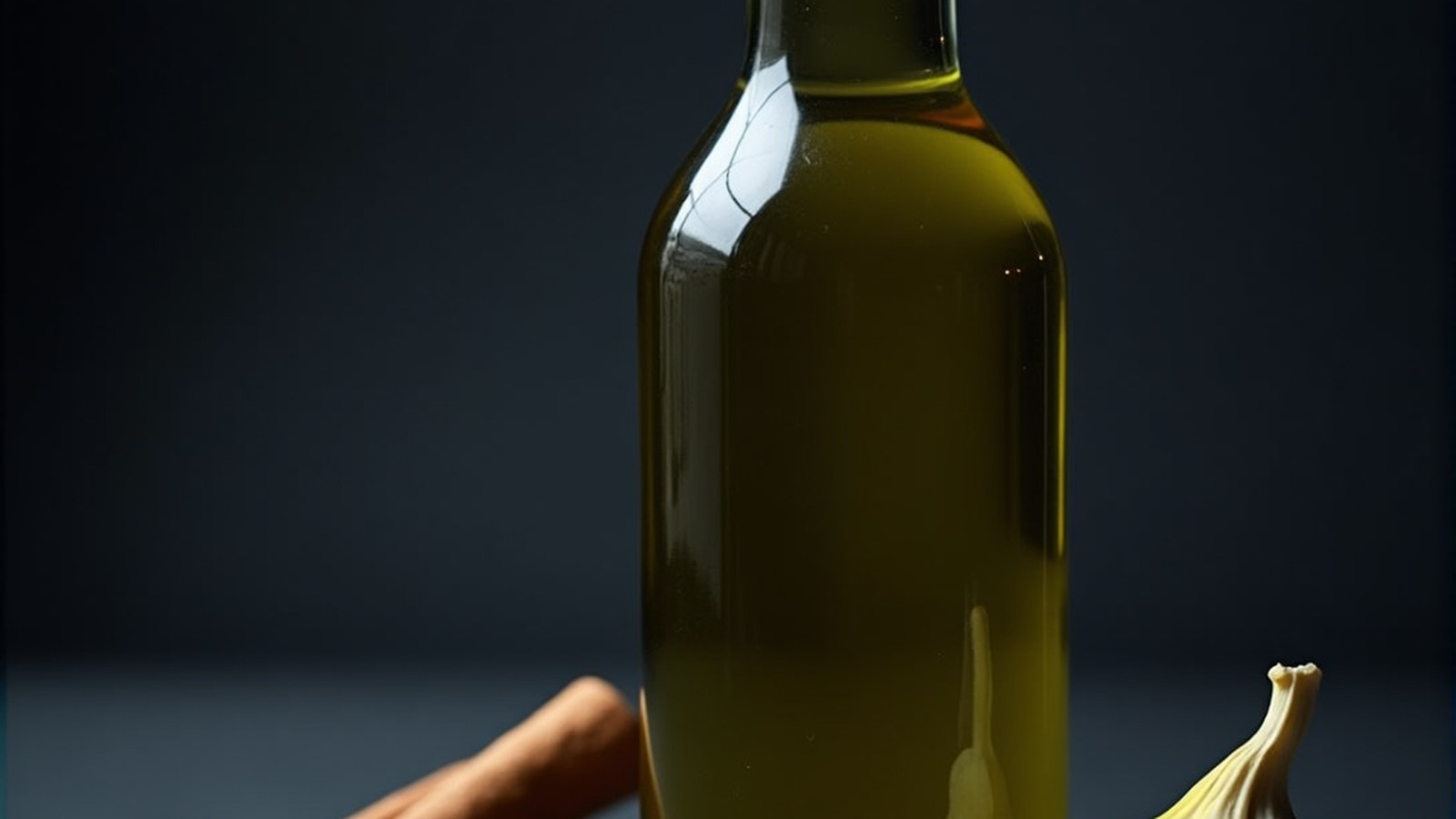
- Add a pinch of black pepper and a drizzle of olive oil or another fat source when cooking with turmeric
- Supplement labels that list "curcumin with piperine" or "BioPerine" are targeting this exact absorption problem
Sources
- "Turmeric Named 2026 Herb of the Year." American College of Healthcare Sciences. achs.edu