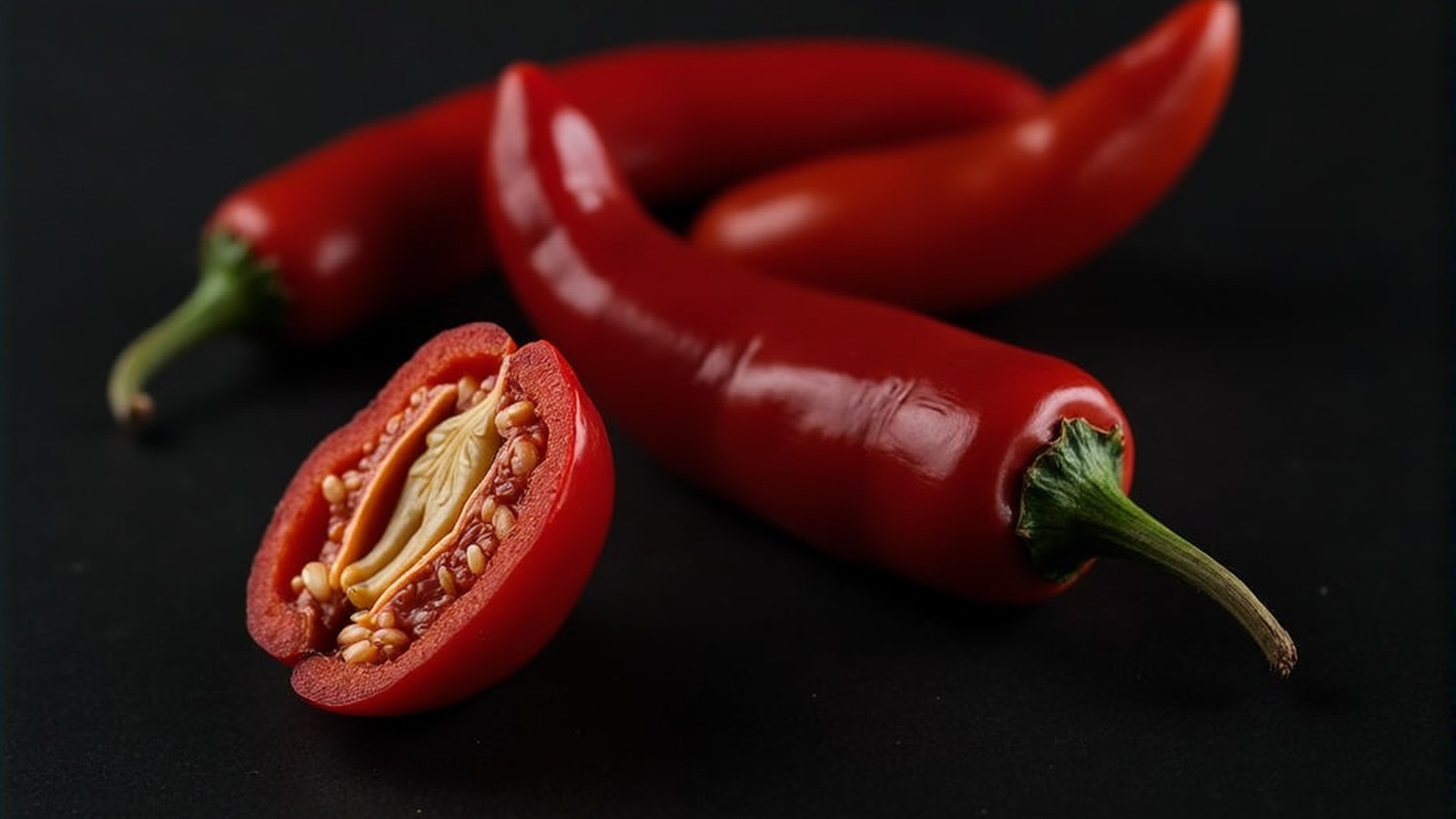
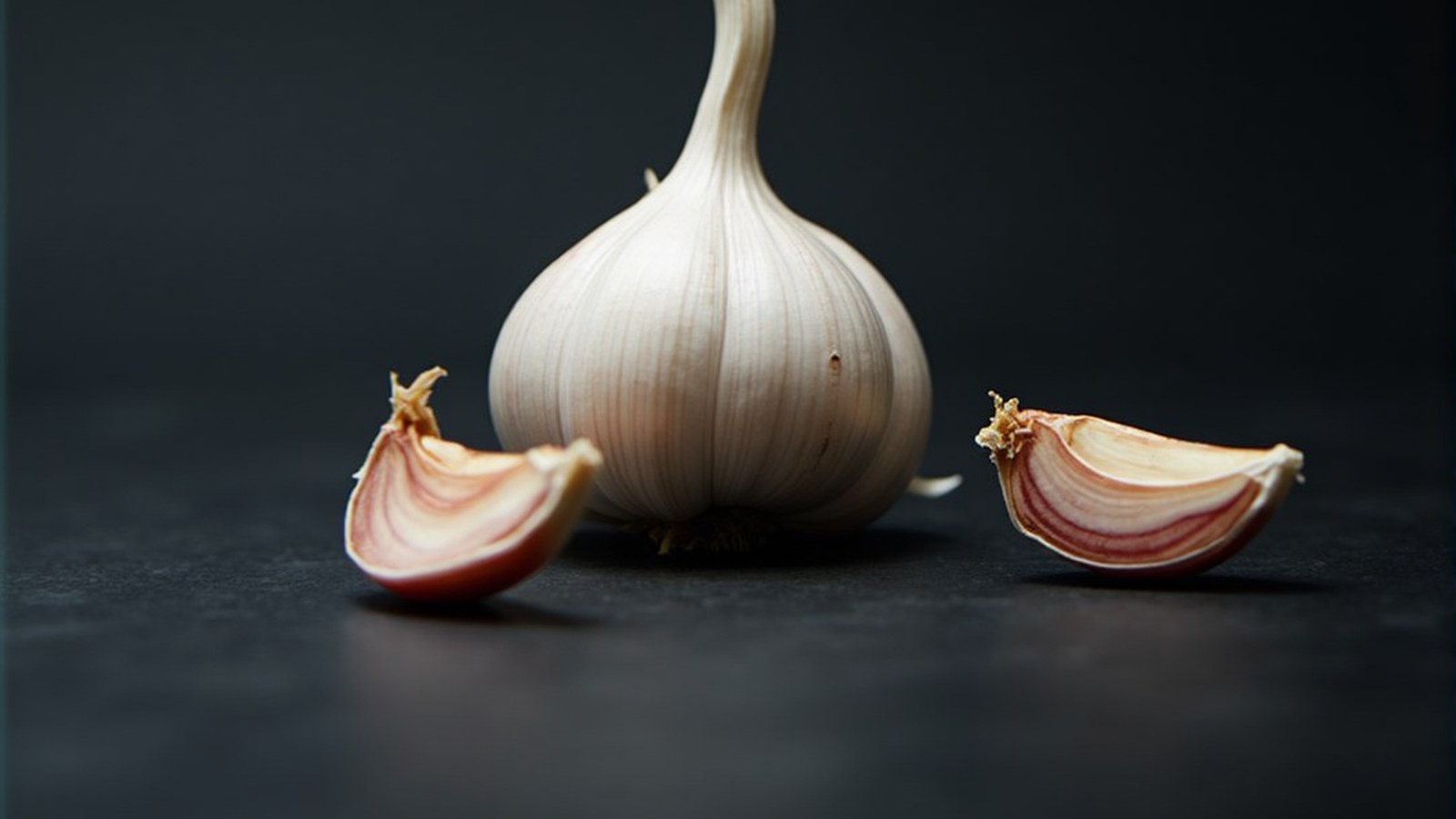
The Receptor Olive Oil, Cinnamon & Garlic All Share
Four unrelated ingredients, one shared biological switch.
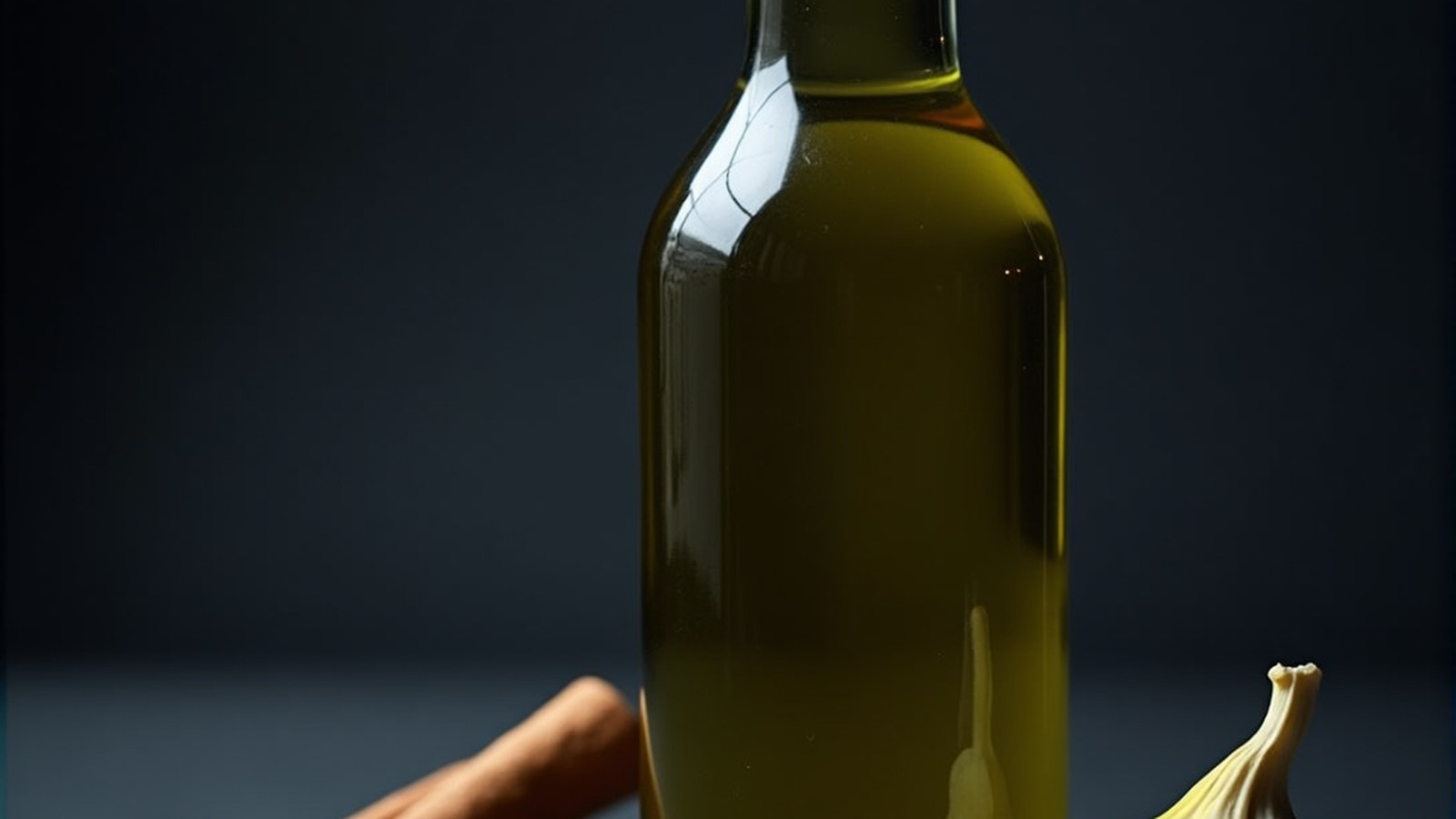
Extra virgin olive oil contains a compound called oleocanthal — the same compound responsible for the peppery burn at the back of your throat from good-quality olive oil. Oleocanthal activates a receptor called TRPA1.1
Key Findings
- Olive oil's oleocanthal activates a receptor called TRPA1, also responsible for the oil's peppery throat burn
- Cinnamon, garlic, and mustard oil compounds activate that exact same TRPA1 receptor
- TRPA1 sits on pancreatic cells involved in blood sugar regulation
- The peppery "burn" of extra virgin olive oil is a rough indicator of its oleocanthal content
The same receptor, four different foods
It turns out cinnamon's cinnamaldehyde, along with compounds in garlic and mustard oil, activate that exact same TRPA1 receptor. Four ingredients with no obvious culinary or botanical relationship to each other all converge on the same molecular target.
Why this receptor specifically
That shared receptor sits on pancreatic cells involved in blood sugar regulation — which may explain why several unrelated traditional ingredients all show up independently in blood-sugar research, despite coming from completely different plant families and culinary traditions. It's a plausible unifying mechanism behind several ingredients that folk medicine grouped together long before anyone knew why.
The practical takeaway
- Olive oil, cinnamon, garlic, and mustard oil all activate the same TRPA1 pathway tied to blood sugar regulation
- This is a mechanistic explanation for why these four ingredients keep appearing together in traditional and modern blood-sugar-focused diets
- The "burn" from a peppery extra virgin olive oil is a rough indicator of oleocanthal content — milder oils typically carry less
Sources
- "Olive Oil's Functional Health Benefits." NutritionInsight. nutritioninsight.com