The 10-Minute Garlic Rule Almost Nobody Follows
Garlic's most active compound doesn't exist in a whole clove — it's formed the moment you crush or chop it.
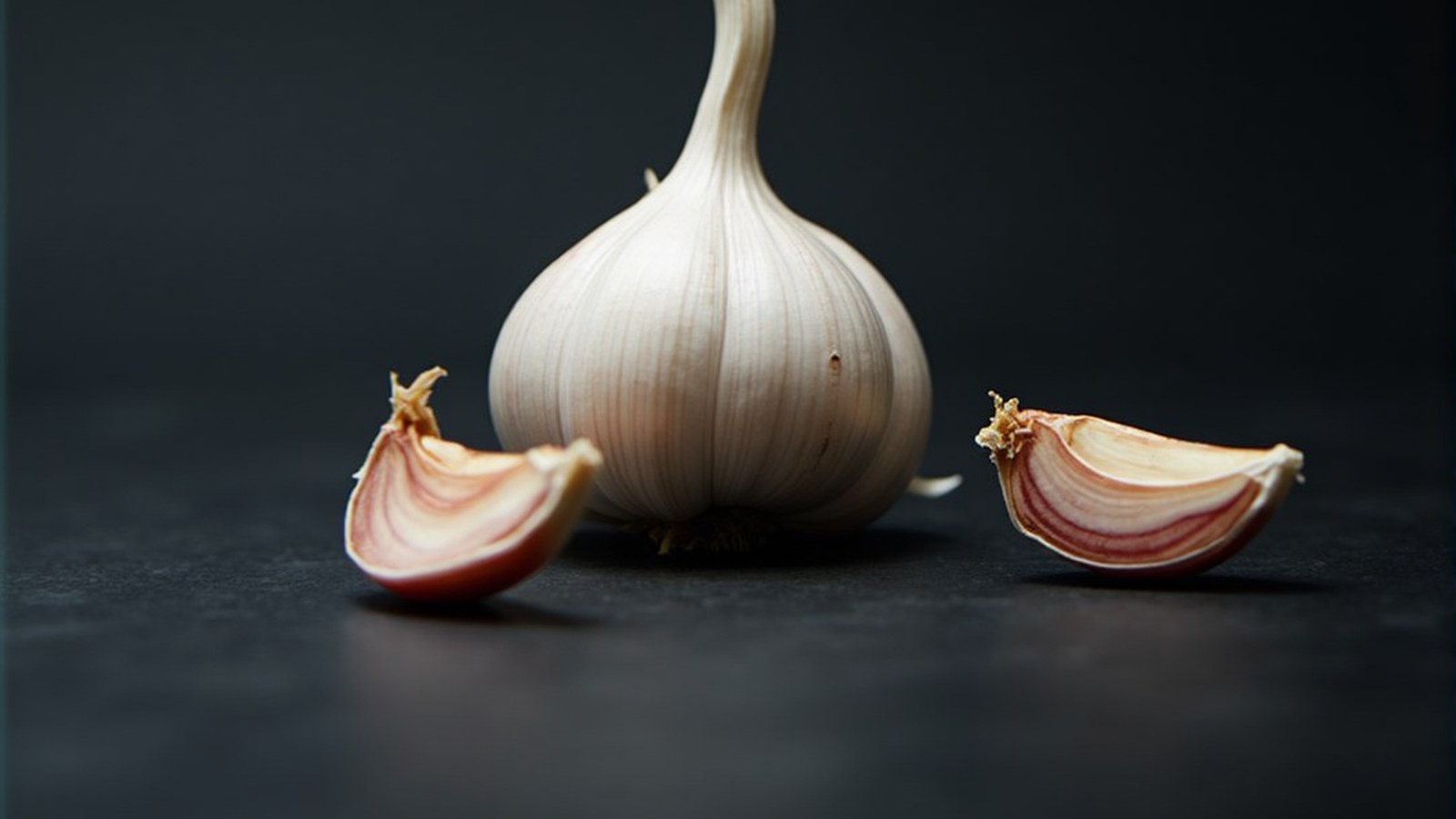
Garlic's best-known active compound, allicin, isn't present in an intact clove at all. It's produced by an enzyme reaction the moment garlic tissue is damaged — crushed, chopped, or chewed — when the enzyme alliinase converts a precursor compound (alliin) into allicin. Research shows this conversion happens fast, within seconds of crushing.1
Key Findings
- Allicin doesn't exist in whole garlic — it forms within seconds once the clove is crushed or chopped
- Letting crushed garlic rest about 10 minutes before cooking lets allicin production peak before heat deactivates the enzyme
- Allicin vapor has been shown to kill multi-drug-resistant lung bacteria in lab research
- Allicin is unstable, with a half-life of hours to low double-digit days depending on storage
Why timing still matters
Even though the reaction starts almost instantly, it isn't instantly complete. Cooking source recommendations converge on roughly 10 minutes of rest time after crushing or chopping before applying heat, to let allicin production reach its peak before the enzyme is deactivated by cooking.1 Throw crushed garlic straight into a hot pan and you interrupt that window.
What allicin actually does
Allicin has been studied for decades as a broad-spectrum antimicrobial. Research has found allicin vapor kills lung-pathogenic bacteria — including multi-drug-resistant strains — from genera like Pseudomonas, Streptococcus, and Staphylococcus.2 One important caveat: allicin itself is unstable, with a chemical half-life measured in hours to low double-digit days depending on how it's stored, so freshly prepared garlic carries more active compound than garlic that's been sitting around.3
The bigger picture: garlic, ginger, and turmeric together
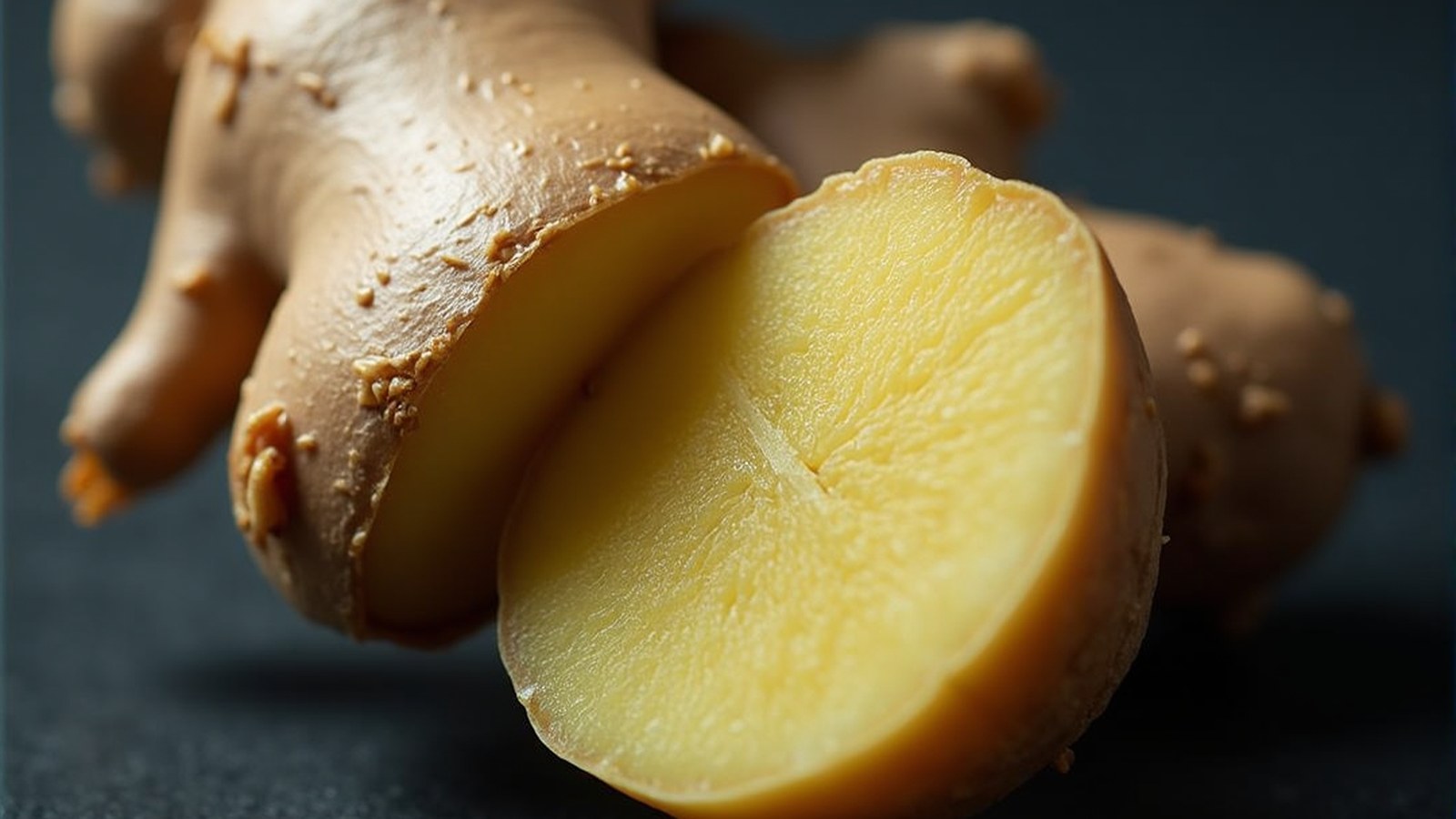
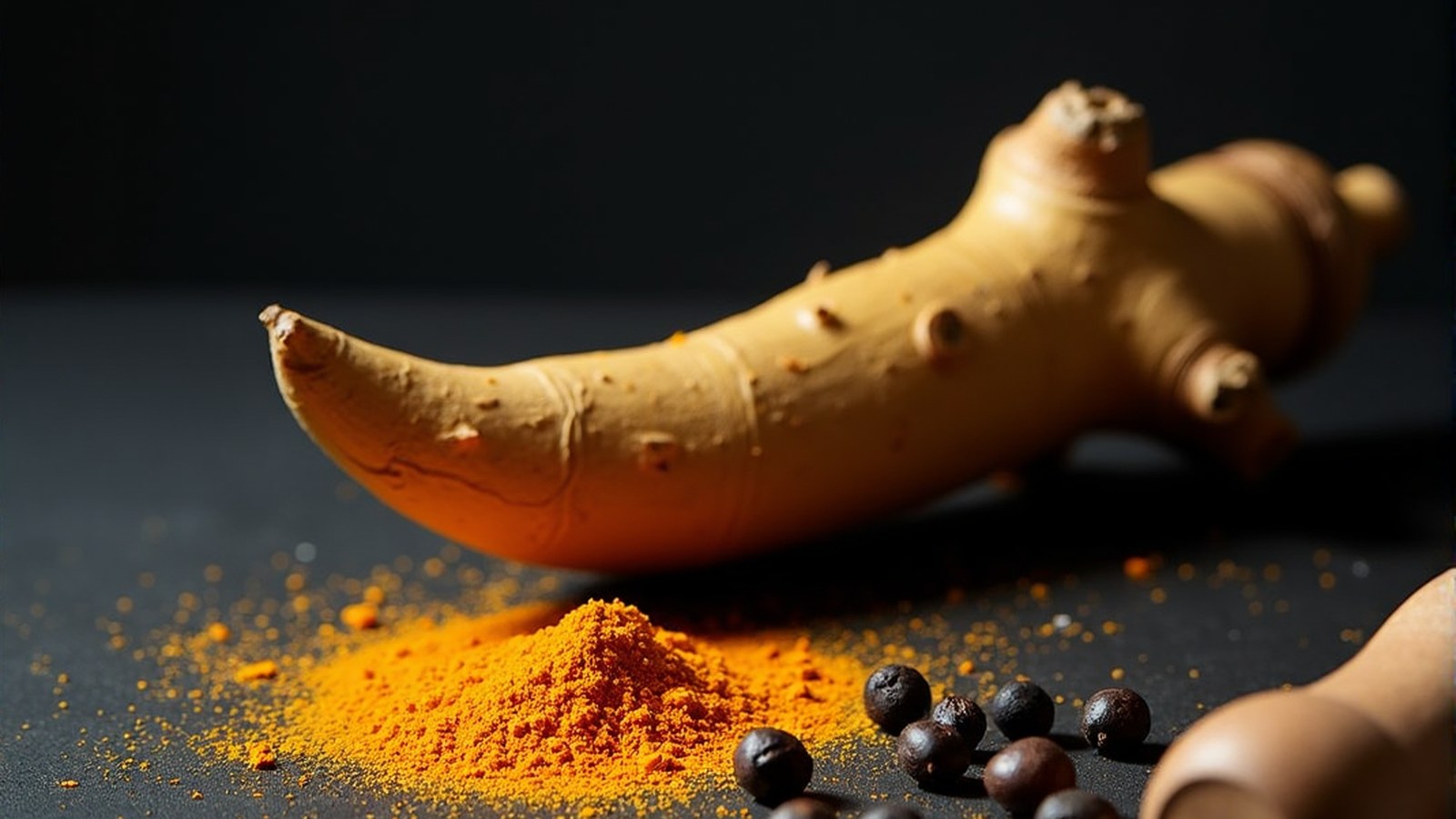
Research reviewing garlic alongside ginger and turmeric has found their bioactive compounds are largely complementary rather than redundant — meaning combining them, as many traditional cuisines already do, may cover more biological ground than any one alone.4
The practical takeaway
- Crush or chop garlic, then let it rest ~10 minutes before cooking
- Fresh matters — allicin degrades over days even at room temperature
- Pairing garlic with ginger and turmeric taps complementary compounds, not overlapping ones
Sources
- "Garlic's Allicin Release: Timing and Health Benefits Explained." shuncy.com
- "Diallylthiosulfinate (Allicin), a Volatile Antimicrobial from Garlic, Kills Human Lung Pathogenic Bacteria, Including MDR Strains, as a Vapor." PMC. ncbi.nlm.nih.gov
- "Biological and Chemical Stability of Garlic-Derived Allicin." Journal of Agricultural and Food Chemistry. pubs.acs.org
- "Functional bioactive compounds in ginger, turmeric, and garlic." Frontiers in Nutrition. frontiersin.org