The Capsaicin-Quercetin Blood Sugar Connection
Spicy food and blood sugar have a real, measured connection — and it's not the heat doing the work alone.
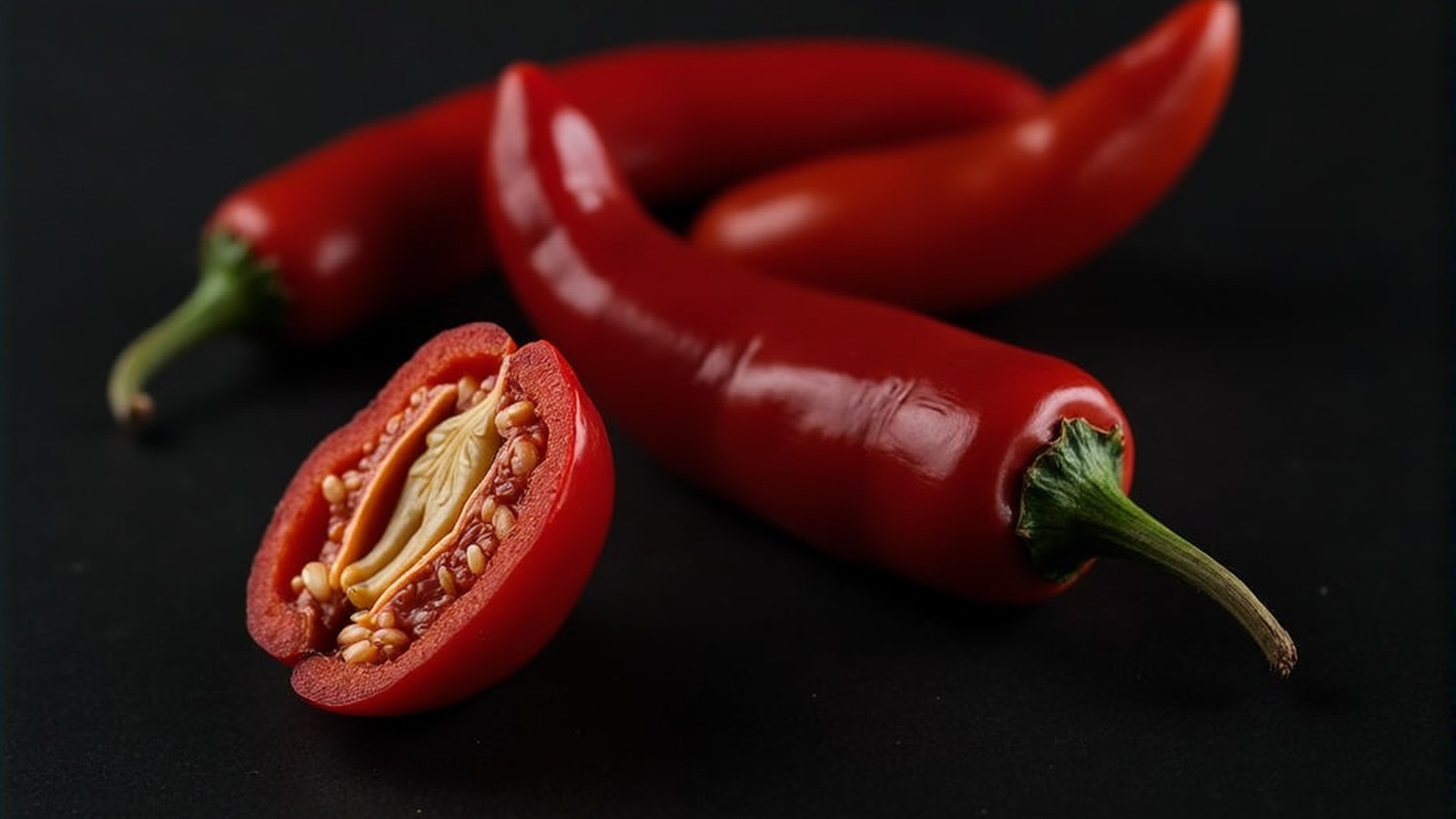
Chili peppers contain capsaicin — the compound behind the heat — alongside quercetin, a flavonoid also found in onions and apples. Research found these two compounds work synergistically to help manage blood sugar, rather than either doing the work independently.1
Key Findings
- Chili peppers naturally contain both capsaicin and quercetin together
- Research found the two compounds work synergistically on blood sugar, not independently
- A capsaicin-to-quercetin ratio of roughly 3-to-1 showed the strongest effect in lab studies
- Whole peppers, not isolated supplements, naturally deliver both compounds together
The ratio that mattered
The research found a capsaicin-to-quercetin ratio of roughly 3-to-1 showing the strongest effect in lab studies. That's a specific detail worth noting — it's not simply "more capsaicin is better" or "more quercetin is better," but a particular balance between the two that produced the strongest synergistic result.
Why whole peppers, not supplements
The practical takeaway isn't "take a capsaicin pill." It's that whole chili peppers naturally contain both compounds together, roughly in the ranges studied — which is likely part of why traditional diets built around chili peppers show these effects, without anyone needing to isolate or dose the individual compounds.
The practical takeaway
- Whole chili peppers deliver both compounds together — isolated capsaicin supplements skip the quercetin half of the synergy
- The 3:1 capsaicin-to-quercetin ratio was specific to the lab conditions studied, not a precise target to hit at home
- This is a mechanism worth knowing about, not a replacement for standard blood sugar management
Sources
- Capsaicin and quercetin synergy for hyperglycemia. Molecular Nutrition & Food Research. onlinelibrary.wiley.com