Eat Your Berries WITH Your Carbs, Not Instead of Them
Timing matters more than most people think — and the mechanism is oddly specific.
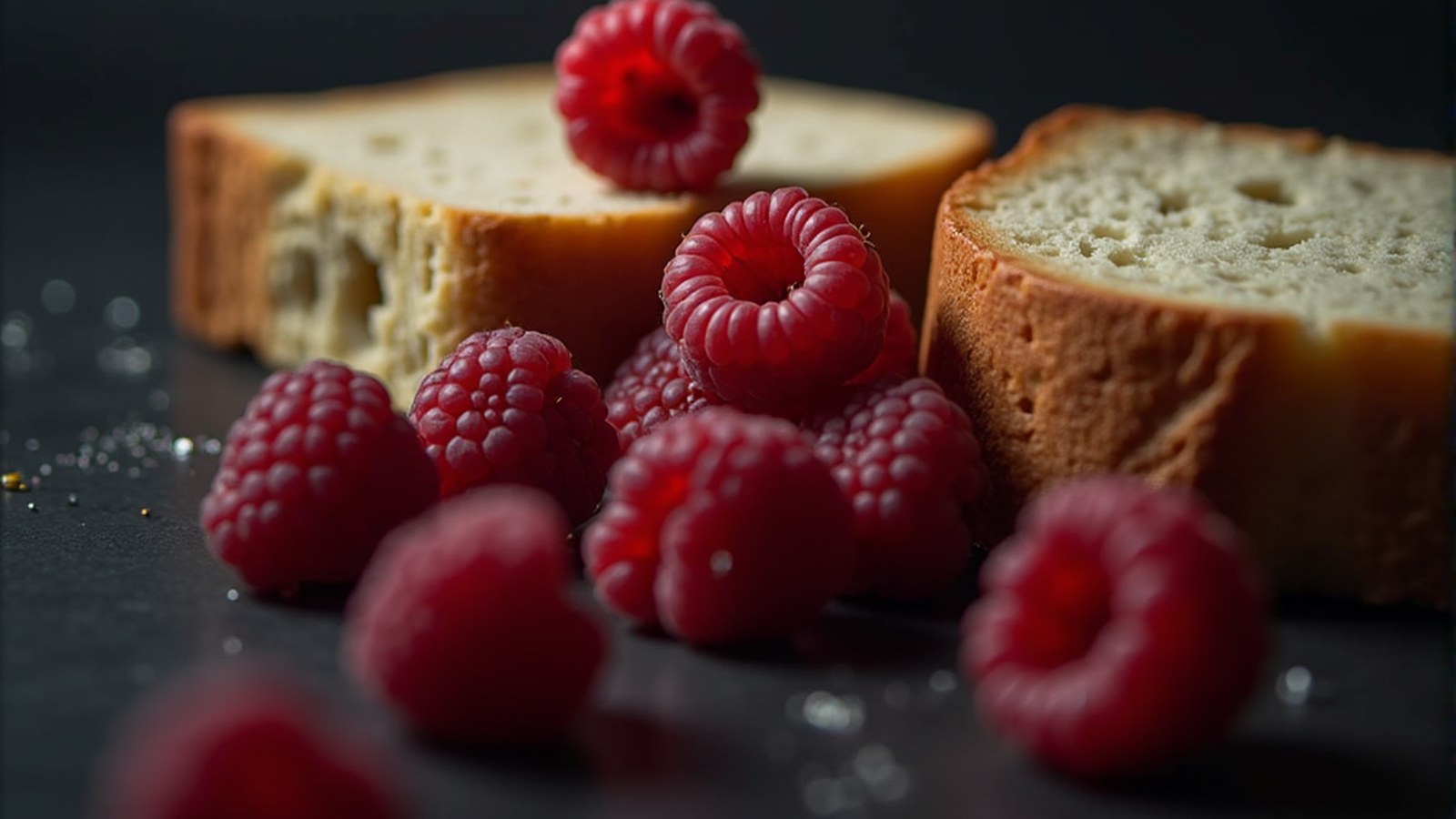
A 2026 study looked at what happens when berry polyphenols are eaten alongside starchy foods like bread and pasta — not as a separate snack.1 The polyphenols in raspberries and similar berries bind directly to the starch itself, slowing how fast the body breaks it down, which blunts the blood sugar spike that follows a carb-heavy meal.
Key Findings
- Raspberry polyphenols bind directly to starch, slowing digestion and blunting the blood sugar spike
- Raspberries showed a stronger starch-binding effect than boysenberries, despite boysenberries having more total polyphenols
- The binding mechanism only works if berries and starch are eaten in the same meal, not as a separate snack
- Frozen raspberries work the same way as fresh for this purpose
Why raspberries specifically stood out
In this study, raspberries had a stronger starch-binding effect than boysenberries, even though boysenberries contained more total polyphenol content. The binding strength of the specific polyphenol mattered more than the raw amount present — a reminder that "more antioxidants" isn't automatically "more effective."
The practical takeaway
If you're having pasta, bread, or rice, adding berries to the same meal does more than eating the same berries as a separate snack earlier or later. The binding mechanism only works if the polyphenols and the starch are in the digestive tract together.
- Add raspberries to the side of a pasta or rice dish, not as a separate snack
- Frozen raspberries work the same way as fresh for this purpose
- This is about blunting the spike, not eliminating carbs — it's a timing strategy, not a replacement for portion awareness
Sources
- Berry polyphenol and starch digestibility study, 2026. Journal of the Science of Food and Agriculture. onlinelibrary.wiley.com