You're Probably Wasting Most of Your Broccoli's Sulforaphane
The compound isn't in the vegetable — it's created by a reaction, and cooking usually kills it before it happens.
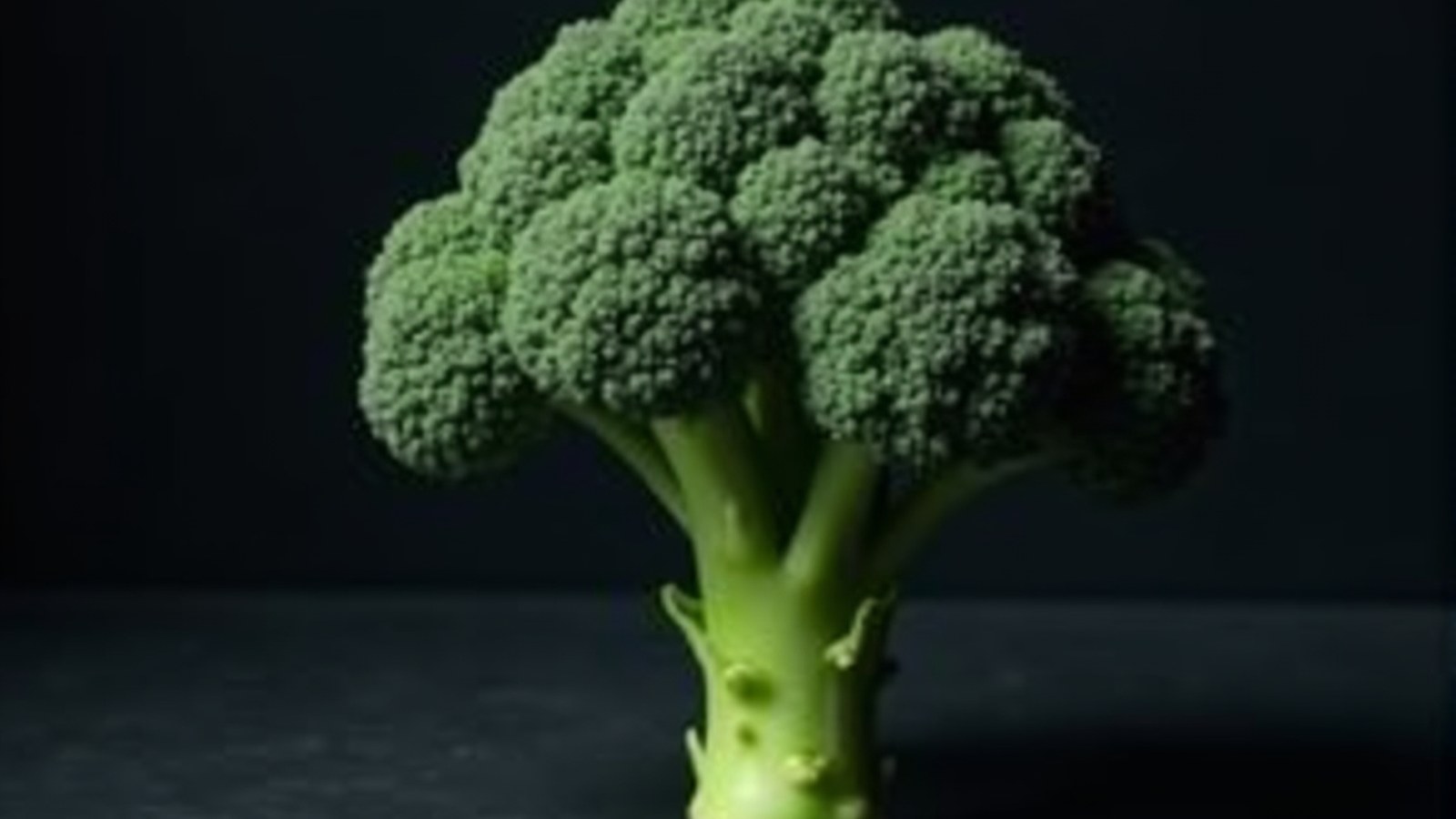
Broccoli's reputation rests almost entirely on one compound: sulforaphane. The catch is that sulforaphane doesn't actually exist in raw broccoli — it's created by an enzyme reaction that only happens when the plant's cells are physically broken, by cutting or chewing.
Key Findings
- Sulforaphane isn't present in raw broccoli — it's created by an enzyme reaction after the plant's cells are broken
- The responsible enzyme, myrosinase, is heat-sensitive and can be destroyed by fast or hot cooking
- A February 2026 study found adding mustard seed powder to cooked broccoli restores the conversion and boosts absorption
- A simpler fix: let chopped broccoli rest about 5 minutes before cooking
Why cooking often ruins it
The enzyme responsible, myrosinase, is heat-sensitive. Cook broccoli too fast or too hot and you destroy the enzyme before it's had time to convert the precursor compound (glucoraphanin) into sulforaphane — meaning you can eat the vegetable and still miss most of the actual benefit.
The fix a 2026 study found
Research published in Scientific Reports in February 2026 found that adding a small amount of mustard seed powder to cooked broccoli reactivates the conversion — mustard seed contains its own active myrosinase, which restores the reaction even after the broccoli's own enzyme has been cooked out, substantially increasing how much sulforaphane the body actually absorbs.1
An easier version of the same fix: chop or crush broccoli and let it sit for about 5 minutes before cooking. That gives the plant's own enzyme time to complete the conversion before heat destroys it.
What the research base looks like
Clinical trial reviews of sulforaphane have looked at outcomes across cardiovascular and inflammatory markers, generally finding effects that depend heavily on how much sulforaphane is actually absorbed — reinforcing that preparation method matters as much as how much broccoli you eat.2
The practical takeaway
- Chop or crush broccoli 5+ minutes before cooking, not right before
- If cooking hot and fast, add a pinch of mustard seed powder to restore the reaction
- Raw or lightly steamed broccoli generally retains more sulforaphane potential than high-heat methods
Sources
- "Exogenous myrosinase from mustard seed increases bioavailability of sulforaphane." Scientific Reports, Feb 2026. nature.com
- Sulforaphane clinical trials review. Cambridge University Press. cambridge.org