The Nobel Prize That Solved Scurvy
A disease that killed more sailors than combat for centuries turned out to have a one-ingredient fix — and the scientist who proved why won a Nobel Prize.
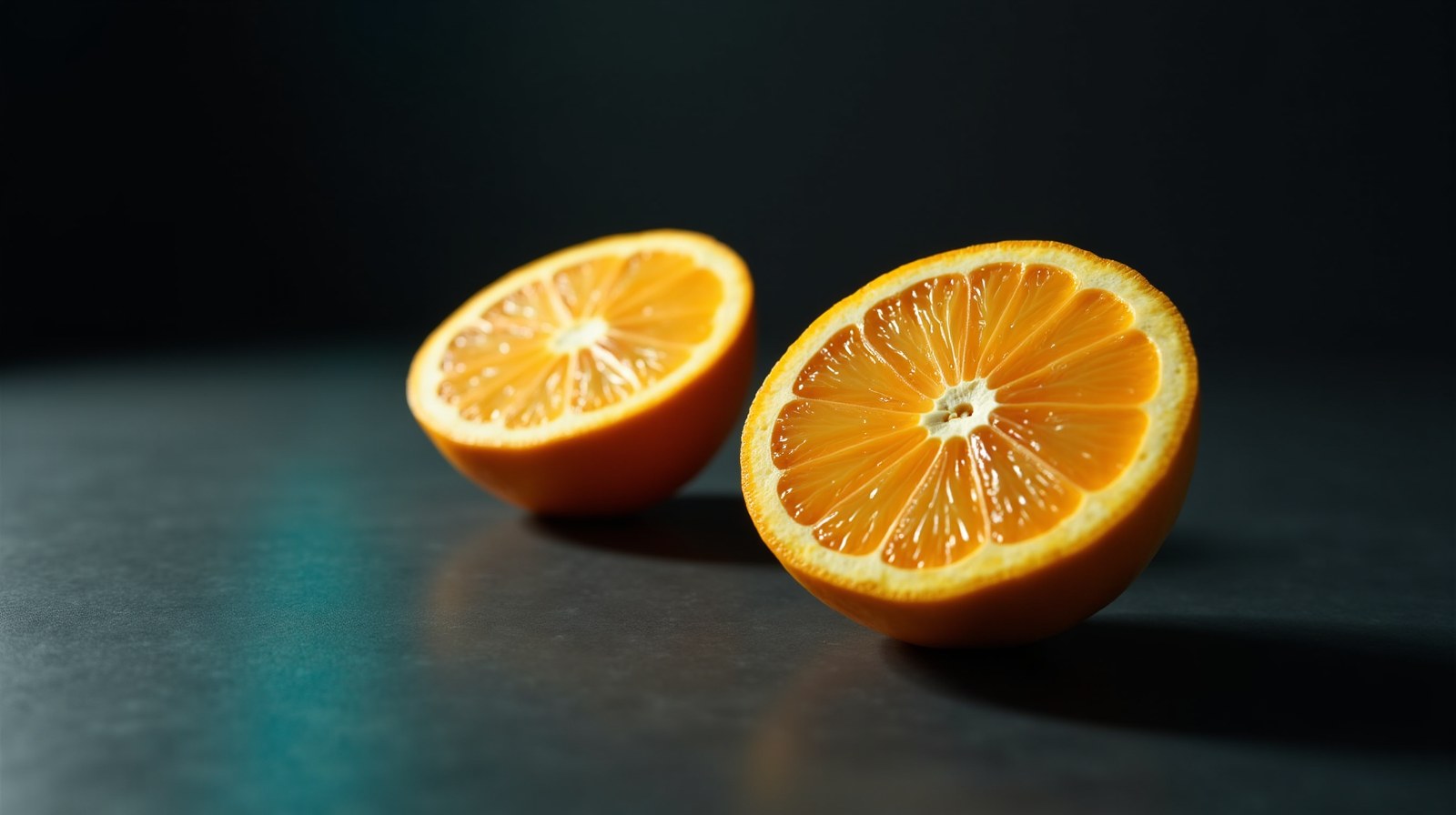
Szent-Györgyi isolated and identified the compound now known as vitamin C (ascorbic acid) and worked out its role in cellular metabolism, providing the biochemical proof behind what ship's doctors had observed empirically two centuries earlier: citrus fruit prevents and cures scurvy.
Key Findings
- 1937 Nobel Prize — Albert Szent-Györgyi isolated vitamin C and its metabolic role
- A naval doctor's 1747 citrus trial predates the mechanism by two centuries
- One of history's first controlled clinical trials
- A clear case of a whole food curing a serious deficiency disease
The empirical fix, long before the mechanism
Scottish naval doctor James Lind showed in 1747 that citrus fruit cured scurvy through one of history's first controlled clinical trials.1 But the actual biochemical reason remained unknown for nearly two more centuries.
The Nobel Prize that explained why
The 1937 Nobel Prize in Physiology or Medicine was awarded to Albert Szent-Györgyi "for his discoveries in connection with the biological combustion processes, with special reference to vitamin C."2 He isolated and identified the compound and explained its metabolic role, finally connecting Lind's empirical fix to a real mechanism.
Why this is a genuinely food-first story
This is one of the clearest cases in medical history of a natural, whole-food fix — citrus fruit and other vitamin C-rich produce — actually curing a serious deficiency disease. It's a case where the whole-food observation came first and held up, rather than being overridden by a later pharmaceutical alternative.
The practical takeaway
- Citrus fruit and other vitamin C-rich produce remain a genuine, historically-proven fix for a real deficiency disease
- The mechanism (ascorbic acid's role in cell metabolism) is well-established, not a modern reinterpretation
- This is a rare case where "eat the whole food" was the correct answer from the start
Sources
- "The Nobel Prize and the discovery of vitamins." NobelPrize.org. nobelprize.org
- "Albert Szent-Gyorgyi Vitamin C." American Chemical Society. acs.org