The Chicken Feed Accident That Explained a Deadly Disease
A doctor studying a paralytic disease in prisoners stumbled onto the cure by accident — through what his chickens were eating.
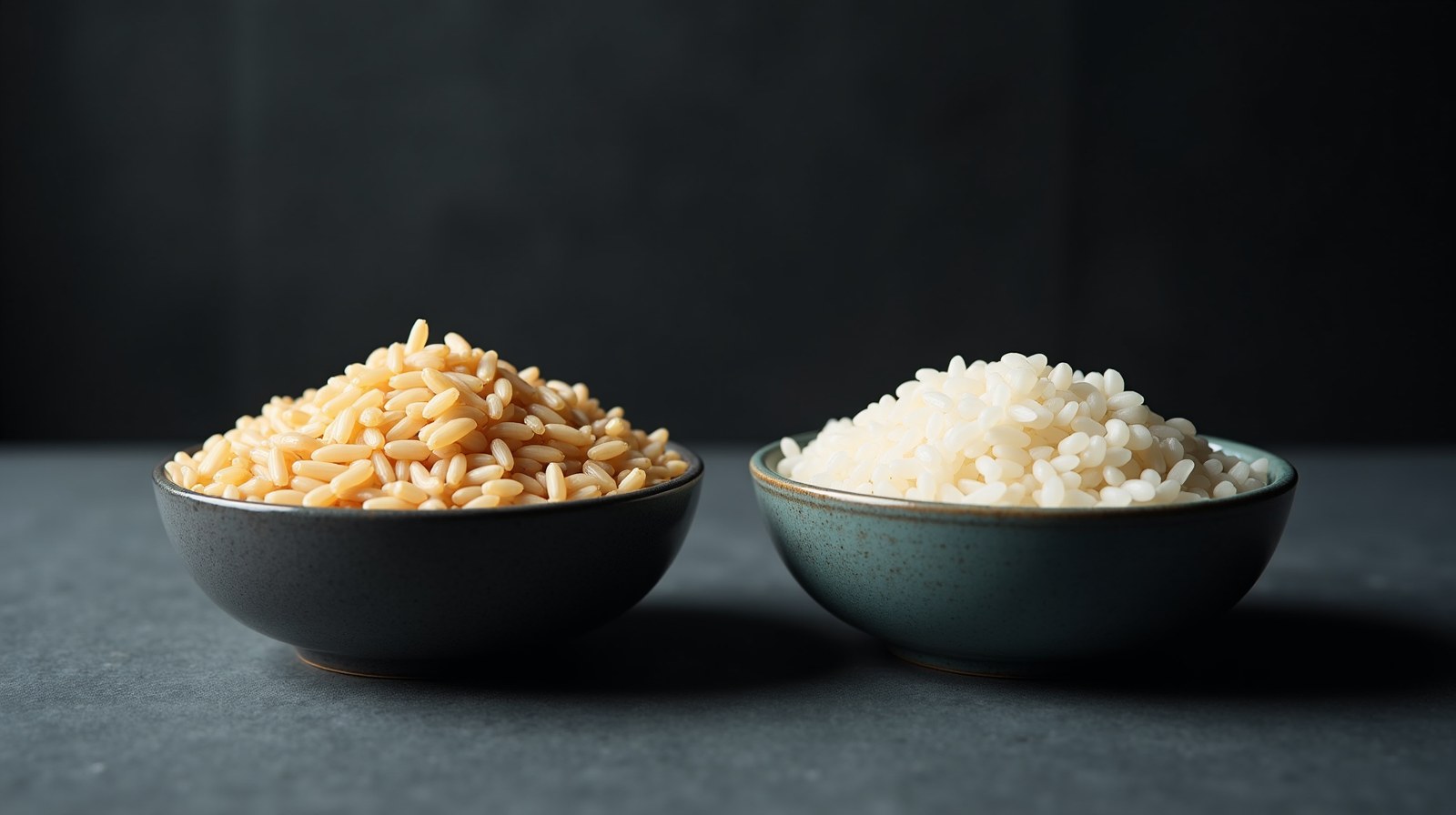
Eijkman was studying beriberi, a disease causing nerve damage and paralysis, common among populations eating polished (white) rice as a dietary staple. A chance change in his laboratory chickens' feed — switching from polished to unpolished rice — caused chickens with beriberi-like symptoms to recover, leading him to trace the missing protective substance to compounds in rice bran, later identified as vitamin B1.
Key Findings
- 1929 Nobel Prize — Christiaan Eijkman identified the anti-beriberi factor, vitamin B1
- Discovered by accident, through a chance change in lab chicken feed
- Traced beriberi to a nutrient stripped out by rice milling
- A clean, mechanistic explanation for a processing-caused deficiency disease
The accidental discovery
Eijkman was studying beriberi, common among populations eating polished white rice as a staple. A chance change in his laboratory chickens' feed to unpolished rice caused chickens with beriberi-like symptoms to recover.1 He traced the protective substance to compounds in rice bran, later identified as vitamin B1 (thiamine).
The Nobel Prize
In 1929, Eijkman shared the Nobel Prize in Physiology or Medicine with Frederick Hopkins for pointing to this substance in rice bran — what later became known as vitamin B1.2
Why the processing detail matters
This traced a specific, severe neurological disease directly to a nutrient stripped out during rice processing — milling removes the bran, which contains thiamine. It's a clean, mechanistic explanation for why a dietary processing choice could cause a serious deficiency disease at population scale.
The practical takeaway
- Choosing whole grains over heavily refined or polished versions retains nutrients like thiamine that processing removes
- The beriberi story is the historical, Nobel-documented proof of why that distinction matters
- This isn't a modern "whole grains are better" assumption — it's a traceable, population-scale deficiency disease with a known cause
Sources
- "Christiaan Eijkman, Beriberi and Vitamin B1." Nobel Prize educational materials. educationalgames.nobelprize.org
- "The Nobel Prize and the discovery of vitamins." NobelPrize.org. nobelprize.org