Vitamin C Alone Isn't the Whole Citrus Story
Citrus fruit packages vitamin C with a whole family of compounds most people throw in the compost bin.
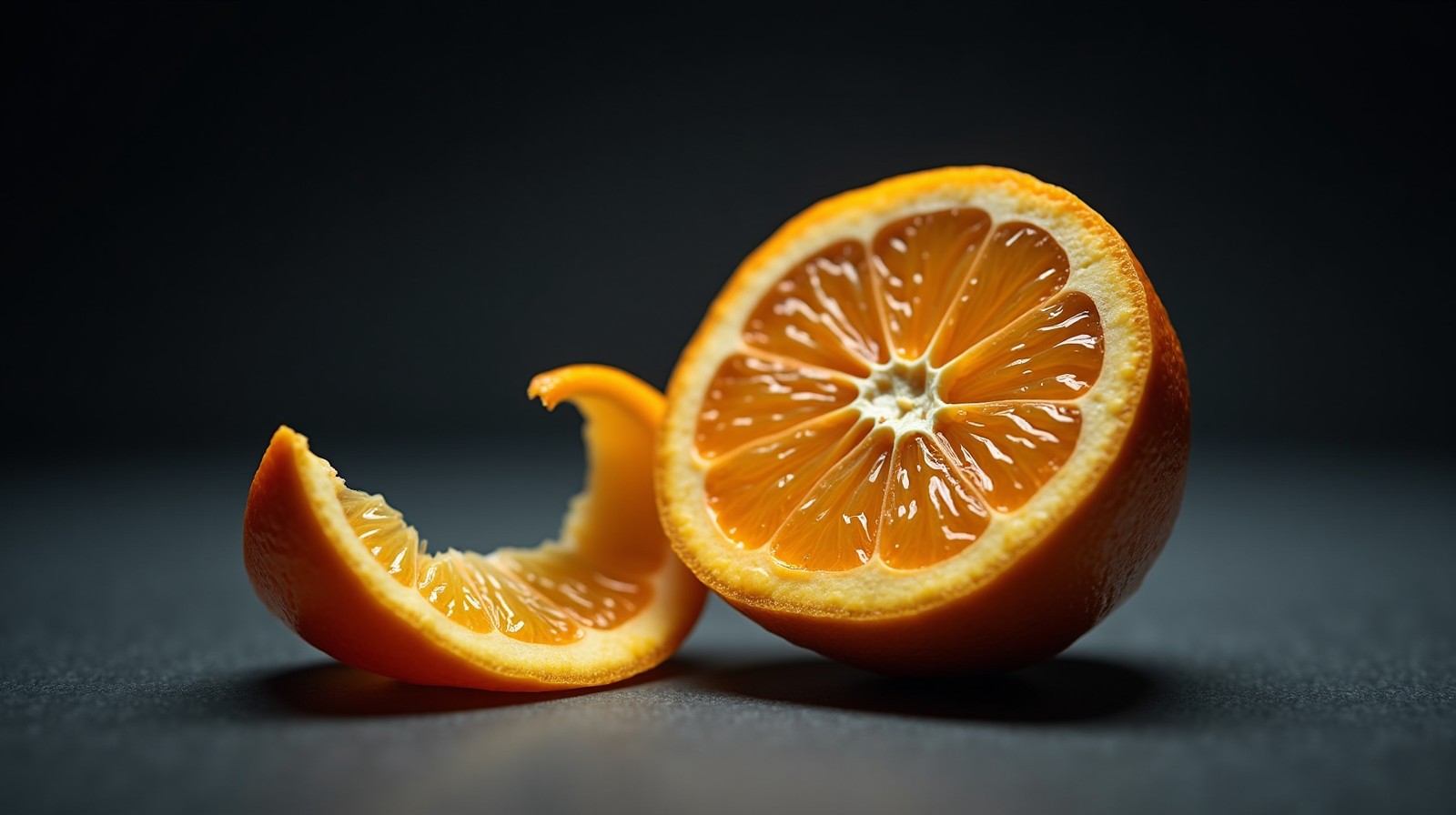
Citrus gets reduced to "vitamin C" in most conversations, but that's only part of what's in the fruit. Citrus also contains bioflavonoids — a family of plant compounds concentrated in the pith and peel, the parts most people discard without a second thought.
Key Findings
- A study of 124,805 UK Biobank participants found the widest flavonoid diversity linked to a 6-20% lower risk of major chronic diseases
- Both the amount and the variety of flavonoids independently predicted better outcomes
- Bioflavonoids increase how much of the vitamin C in the same food your body actually absorbs
- Isolated vitamin C supplements skip that absorption synergy entirely
A 124,805-person study on flavonoid diversity
A cohort study following 124,805 UK Biobank participants over a median of 8.7 to 10.6 years found that people who consumed the widest diversity of dietary flavonoids had a 6-20% lower risk of all-cause mortality, cardiovascular disease, type 2 diabetes, cancer, respiratory disease, and neurodegenerative disease.1 Both the amount and the variety of flavonoids independently predicted better outcomes — eating a lot of one flavonoid source wasn't as protective as eating a range of them.
Why bioflavonoids and vitamin C are usually studied together
The two aren't just packaged together by coincidence — bioflavonoids have been shown to increase how much of the vitamin C in the same food your body actually absorbs.2 Isolated vitamin C supplements skip that synergy entirely, which is part of why researchers increasingly study whole citrus rather than the vitamin alone.
The practical takeaway
- Eat the segment and pith, not just the juice — juicing strips out most of the bioflavonoid-rich membrane
- Diversity matters — rotating between oranges, grapefruit, lemon, and lime beats eating only one citrus fruit repeatedly
- Citrus isn't the only flavonoid source worth varying — berries, leafy greens, and bell peppers all contribute different flavonoid subtypes to the same "diversity" effect
Sources
- "High diversity of dietary flavonoid intake is associated with a lower risk of all-cause mortality and major chronic diseases." Nature Food. nature.com
- "Citrus Bioflavonoids: Benefits, Uses & Synergy with Vitamin C." Nutraceuticals World. nutraceuticalsworld.com