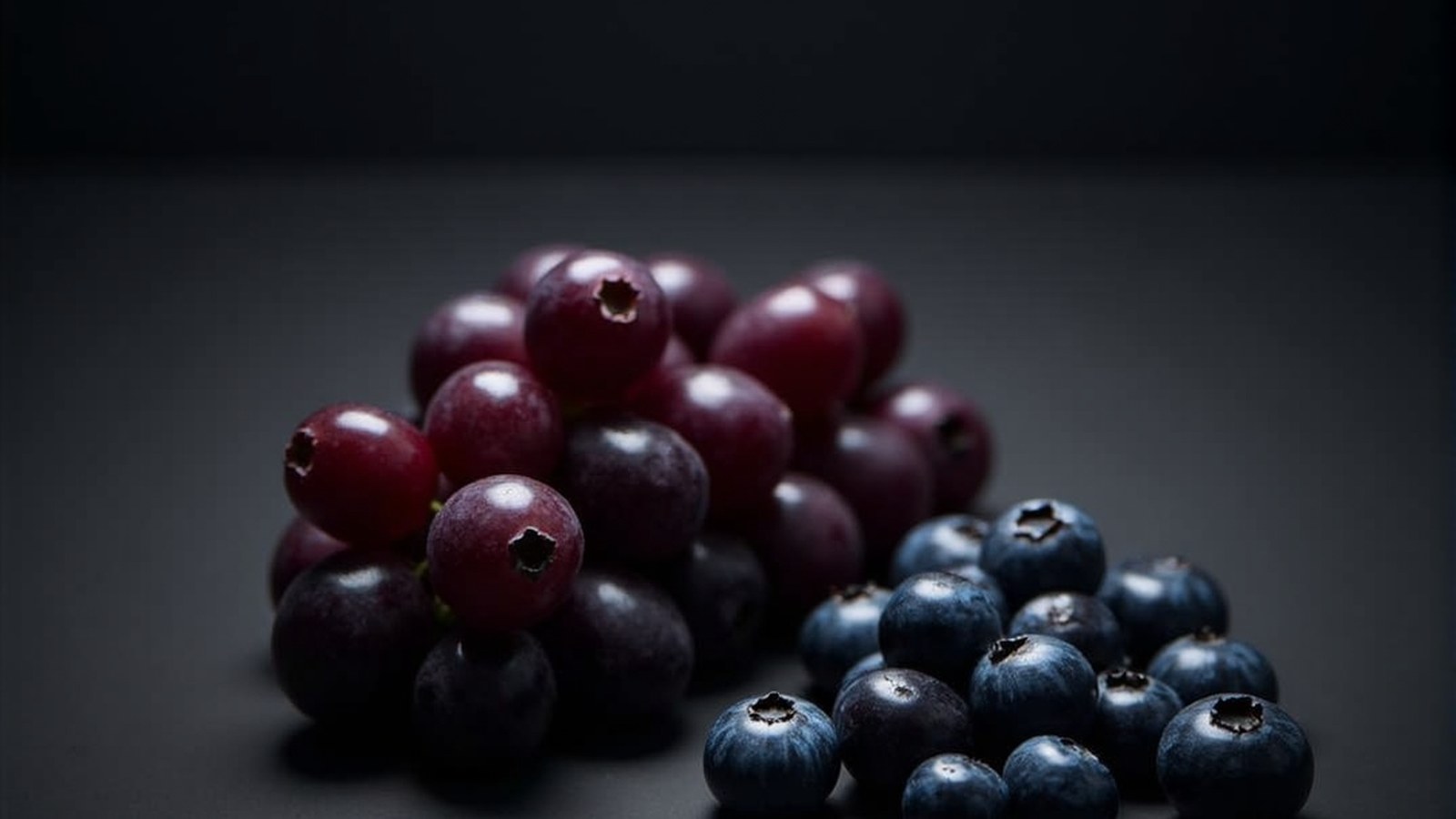
The Pigment Behind Blueberries' Benefit
The deep blue-purple color isn't just for looks — it's tied to a specific, studied compound.
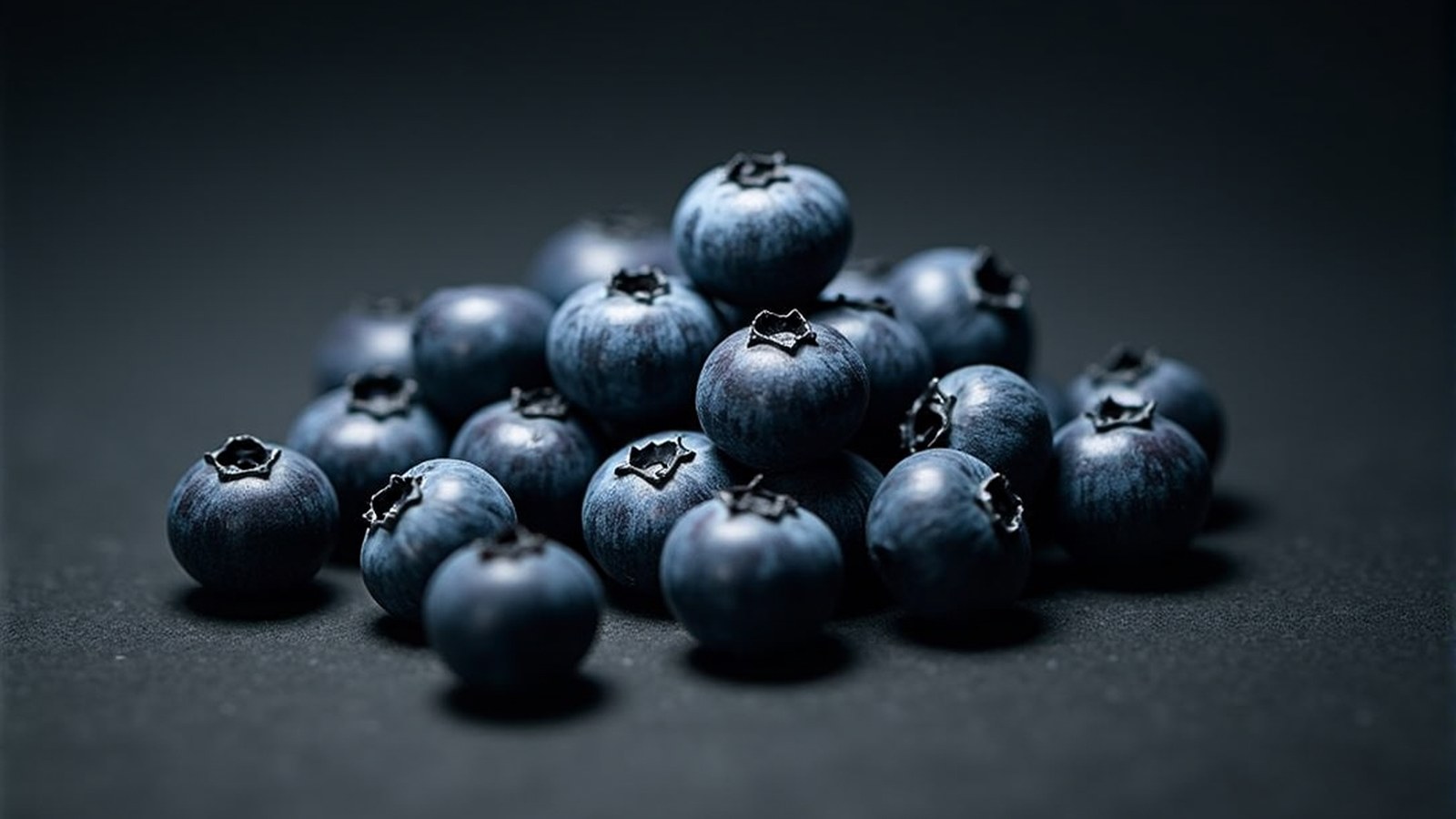
The deep blue-purple color in blueberries comes from a compound called anthocyanin. A 2026 scientific review examined polyphenols in berries and tea together and found a consistent link to protection against age-related cognitive decline.1
Key Findings
- The blue-purple pigment in blueberries is anthocyanin, a polyphenol compound
- A 2026 review found a consistent link across multiple studies between berry/tea polyphenols and protection against cognitive decline
- Frozen blueberries retain most of their anthocyanin content — freezing doesn't meaningfully degrade it
- Deeper berry color generally correlates with higher anthocyanin content
Why "consistent link" matters here
A lot of nutrition headlines are built on a single small study. What made this review notable is that the pattern showed up across multiple studies looking at berry and tea polyphenols together, rather than resting on one isolated trial — that consistency is what makes a finding worth paying attention to.
Frozen counts too
Good news if fresh berries aren't always in season or budget-friendly: anthocyanins are relatively stable through the freezing process, so frozen blueberries retain most of their anthocyanin content. This is different from some more fragile compounds that degrade significantly with freezing or thawing.
The practical takeaway
- Fresh or frozen both work — freezing doesn't meaningfully degrade anthocyanins
- Pairing blueberries with tea (as the review specifically studied) may compound the effect rather than just adding two separate benefits
- Deeper color generally correlates with higher anthocyanin content across berry varieties
Sources
- "Plant-Based Compounds in Berries and Tea May Help Delay Brain Aging." PsyPost, 2026. psypost.org