Sauerkraut and Kombucha Aren't Doing the Same Job
Fermented cabbage and fermented tea are working through different mechanisms — and one of them makes a nutrient the other doesn't.
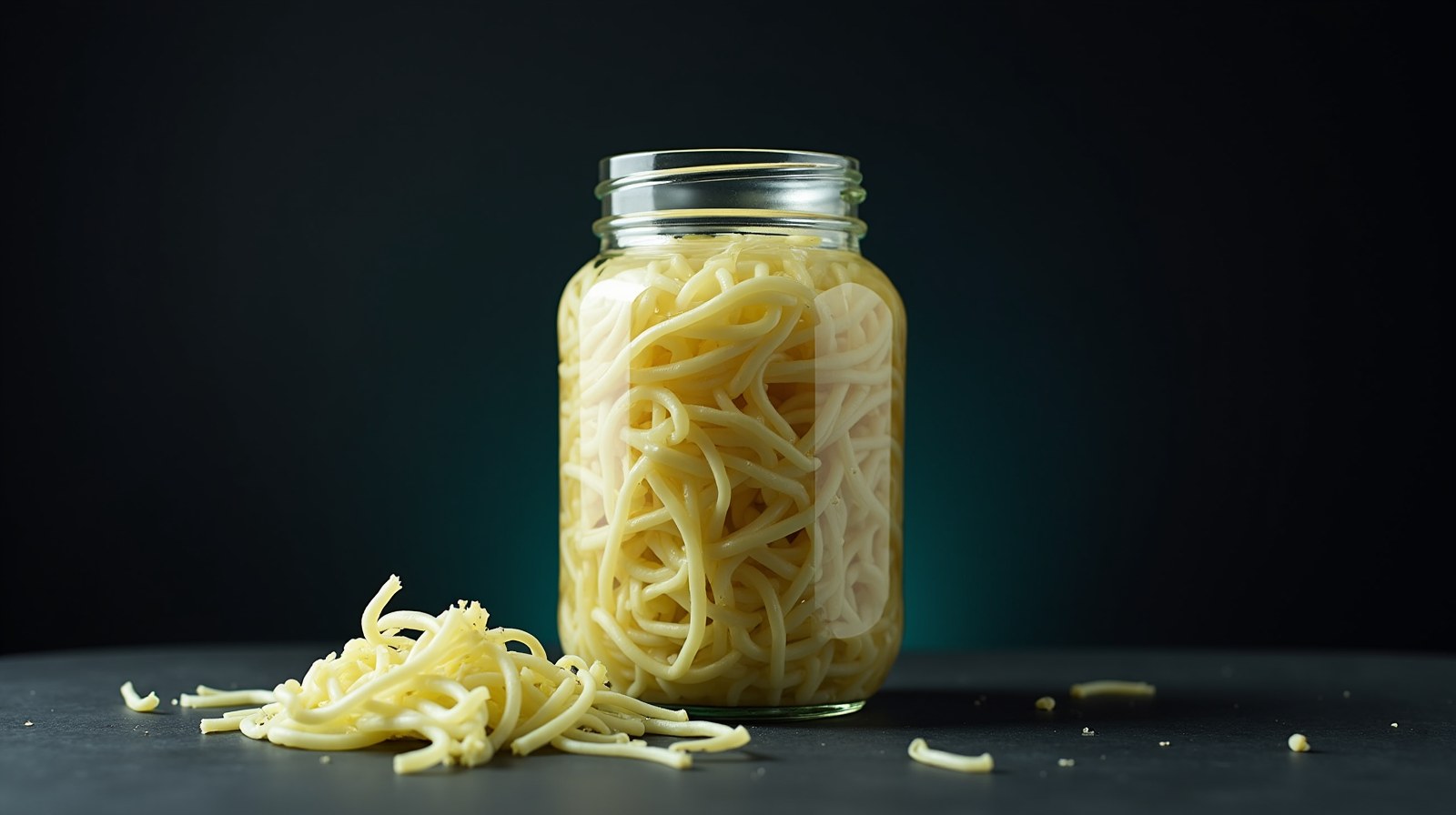
"Fermented foods" gets treated as one category, but lactic-acid-fermented vegetables like sauerkraut and kimchi work differently from fermented tea (kombucha) or dairy. Vegetable fermentation both preserves the food's original fiber and produces vitamin K2 as a fermentation byproduct — a nutrient found almost exclusively in fermented and animal foods, distinct from the K1 found in leafy greens.
Key Findings
- A controlled study of 65 participants found fermented vegetables measurably increased gut microbial diversity
- A UC Davis study found fermented cabbage enriched the gut metabolome with compounds the microbiome itself also produces
- Vitamin K2 is concentrated almost entirely in fermented and animal foods, distinct from the K1 in leafy greens
- Most shelf-stable sauerkraut is pasteurized, killing the live lactic-acid bacteria the research is testing
What the 2025 research found
A July 2025 controlled study of 65 participants found that regular intake of fermented vegetables — including fermented carrots, kohlrabi, and kimchi — measurably increased gut microbial diversity and favorably shifted body composition markers over the trial period.1 Separately, an April 2025 UC Davis study published in Applied and Environmental Microbiology found fermented cabbage enriched the gut metabolome with compounds the human microbiome itself also produces — suggesting the effect may be more synergistic than simply additive.2
Why vitamin K2 specifically matters
K2 plays a distinct role from K1: it helps direct calcium toward bone formation rather than arterial buildup. Because it's concentrated almost entirely in fermented and animal foods, most people getting plenty of leafy-green vitamin K (K1) still fall short on K2 unless they regularly eat fermented foods or certain animal products.
The label detail that changes everything
Most shelf-stable sauerkraut sold at room temperature has been pasteurized and vinegar-pickled — a process that kills the live lactic-acid bacteria the gut-health research is actually testing. The research applies specifically to raw, unpasteurized versions.
The practical takeaway
- Look in the refrigerated section, not the shelf-stable pickle aisle
- Check the label for "raw" or "unpasteurized" — heat-treated jars won't deliver the same live-bacteria benefit
- Sauerkraut/kimchi and kombucha aren't redundant with each other — they're two different fermentation types with different byproducts
Sources
- "Impact of fresh and fermented vegetable consumption on gut microbiota and body composition." Frontiers in Nutrition, July 2025. frontiersin.org
- "The Science Behind Fermented Foods" (UC Davis fermented cabbage metabolome study, April 2025). Nutritional Outlook. nutritionaloutlook.com