The Nobel Prize Behind Both Aspirin and Fish Oil's Reputation
One Nobel Prize explains why willow bark eases pain, why aspirin works, and why fatty fish gets credited with fighting inflammation — all through the same family of molecules.
Bergström and Samuelsson mapped how prostaglandins are formed from unsaturated fatty acids (primarily arachidonic acid) and how they're converted into related compounds involved in inflammation, blood clotting, and pain signaling. Vane discovered that aspirin and similar anti-inflammatory drugs work specifically by blocking the enzyme that produces prostaglandins in the first place.
Key Findings
- 1982 Nobel Prize — Bergström, Samuelsson, and Vane mapped prostaglandin biology
- Prostaglandins are built from dietary fatty acids
- Omega-3 fats convert into less-inflammatory prostaglandin variants than omega-6-heavy diets
- Aspirin works by blocking the enzyme that produces prostaglandins
The prize-winning mechanism
The 1982 Nobel Prize in Physiology or Medicine was awarded to Sune Bergström, Bengt Samuelsson, and John Vane "for their discoveries concerning prostaglandins and related biologically active substances."1 Vane's specific discovery — that aspirin works by blocking prostaglandin production — explained a drug (and the willow bark folk remedy that preceded it) that had already been in use for decades without a known mechanism.
Why diet fat type matters here
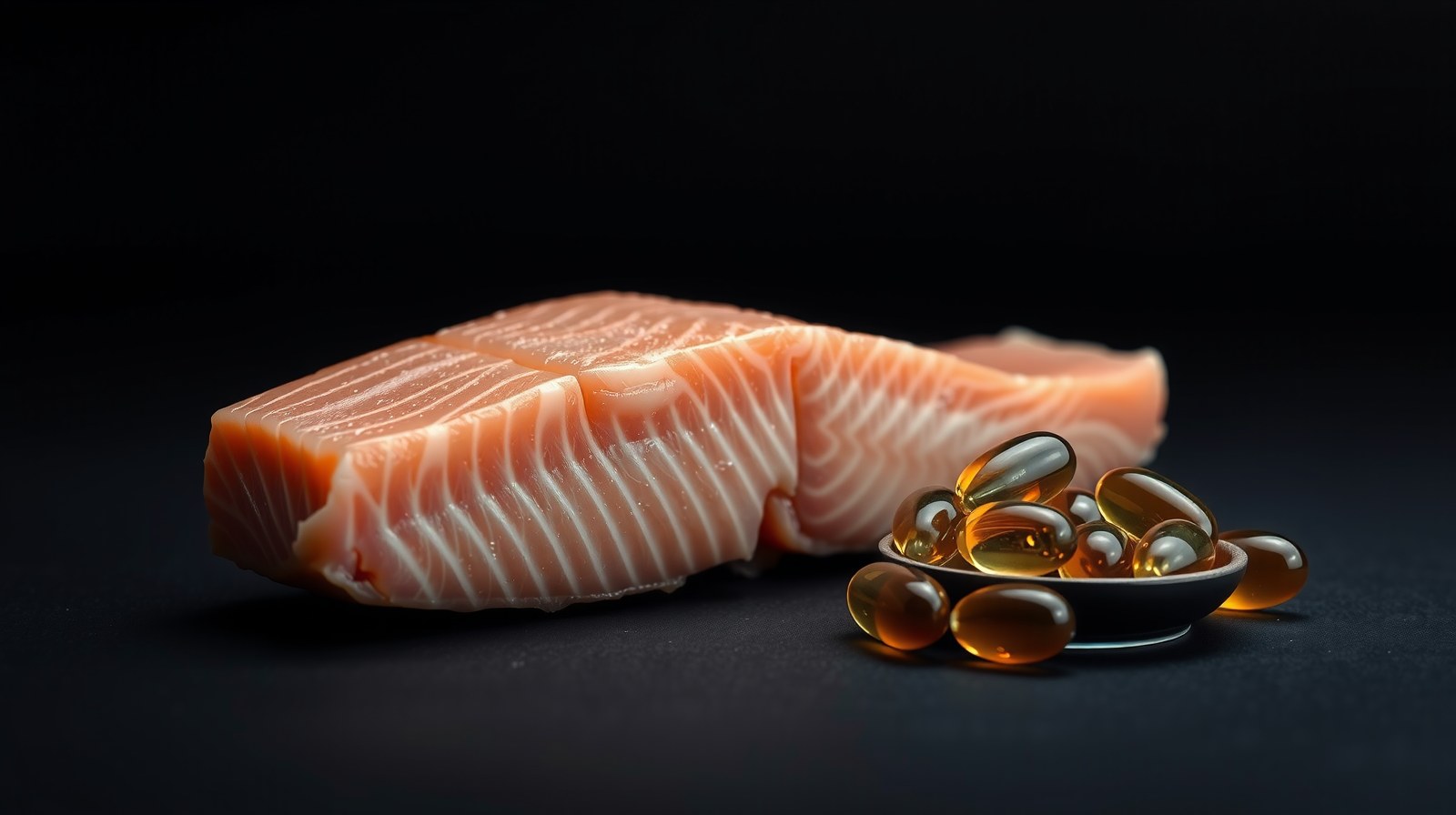
Because prostaglandins are built from dietary fatty acids, the type of fat consumed influences which prostaglandins get produced. Omega-3 fatty acids (from fatty fish) are converted into less-inflammatory prostaglandin variants compared to those made from omega-6-heavy diets — a mechanistic explanation for the anti-inflammatory reputation of fish oil that predates most of the specific fish-oil trials by decades.2
Two health topics, one discovery
This Nobel Prize is the actual biochemical foundation both for why aspirin works and for why the ratio of omega-3 to omega-6 fats in a diet is thought to influence inflammation — two seemingly unrelated health topics traced to the same underlying discovery.
The practical takeaway
- The anti-inflammatory reputation of omega-3-rich foods has a real, decades-old mechanistic basis in this Nobel Prize, not just modern marketing
- Aspirin's mechanism (blocking prostaglandin-producing enzymes) is the same discovery that explains the omega-3 connection
- This is about dietary fat balance influencing a real pathway, not a specific supplement claim
Sources
- "The Nobel Prize in Physiology or Medicine 1982." NobelPrize.org. nobelprize.org
- "Bengt I. Samuelsson, prostaglandins research." Wikipedia. en.wikipedia.org