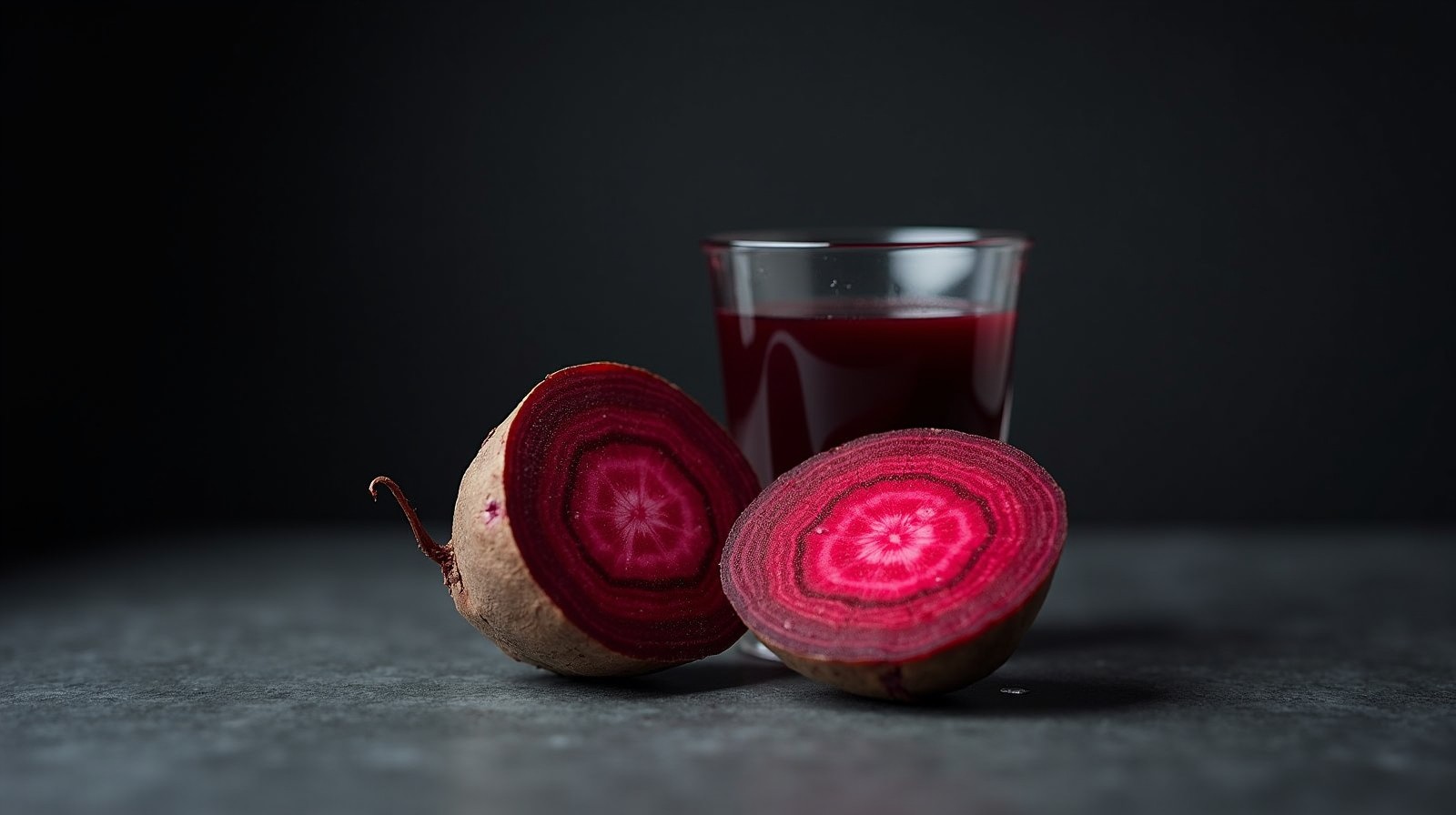
The Gas Your Body Makes to Widen Blood Vessels
A Nobel Prize was awarded for discovering that your body makes its own gas signal to relax blood vessels — the exact mechanism behind why beet juice and hard exercise both affect blood pressure.
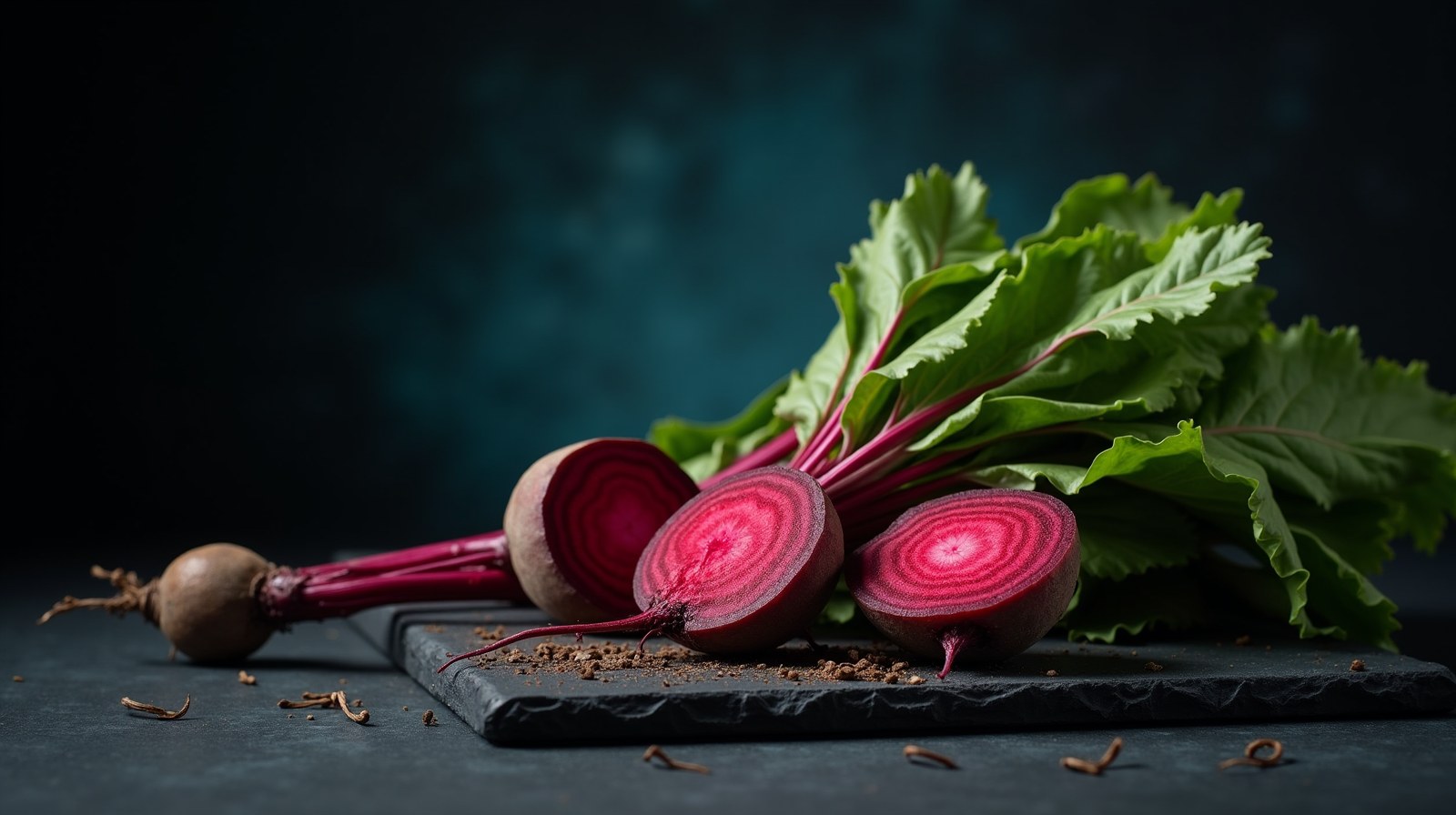
The laureates independently discovered that nitric oxide (NO), a simple, short-lived gas, is produced naturally in blood vessel walls and acts as a signaling molecule that relaxes smooth muscle, causing blood vessels to widen (vasodilation). Murad specifically showed that dietary nitrates get converted into nitric oxide in the body, directly explaining the vessel-relaxing effect of nitrate-rich foods.
Key Findings
- 1998 Nobel Prize — Furchgott, Ignarro, and Murad discovered nitric oxide's role in the cardiovascular system
- Nitric oxide is a natural gas signal that relaxes and widens blood vessels
- Dietary nitrates convert into nitric oxide in the body
- The exact mechanism behind beet, leafy green, and celery blood-pressure research
The prize-winning discovery
The 1998 Nobel Prize in Physiology or Medicine was awarded jointly to Robert Furchgott, Louis Ignarro, and Ferid Murad "for their discoveries concerning nitric oxide as a signaling molecule in the cardiovascular system."1 In 1977, Murad found that nitrates release nitric oxide, which relaxes smooth muscle cells, resulting in vasodilation.
Why it connects directly to food research
This nitric oxide pathway is the exact mechanism behind the blood-pressure research on beets, leafy greens, and other nitrate-rich vegetables covered elsewhere on this site — the Nobel Prize is the foundational proof of the pathway those food-specific trials are built on.
Exercise engages the same pathway
Exercise also independently stimulates the same nitric-oxide-producing enzyme in blood vessels over time, meaning diet and physical activity work through a shared, Nobel-documented cardiovascular mechanism rather than two unrelated effects.
The practical takeaway
- Dietary nitrates (beets, leafy greens, celery) and regular aerobic exercise both engage this same, real pathway
- This is foundational, awarded cardiovascular science, not correlational folklore
- The specific food trials covered elsewhere on this site are built directly on this mechanism
Sources
- "The Nobel Prize in Physiology or Medicine 1998." NobelPrize.org. nobelprize.org
- "Unraveling the mystery of nitric oxide: Nobel prize winners Robert Furchgott, Louis Ignarro, and Ferid Murad." ResearchGate. researchgate.net