The Peppery Burn in Good Olive Oil Is the Compound Doing the Work
That throat-catching sting isn't a quality quirk — and most bottles on supermarket shelves barely have it.
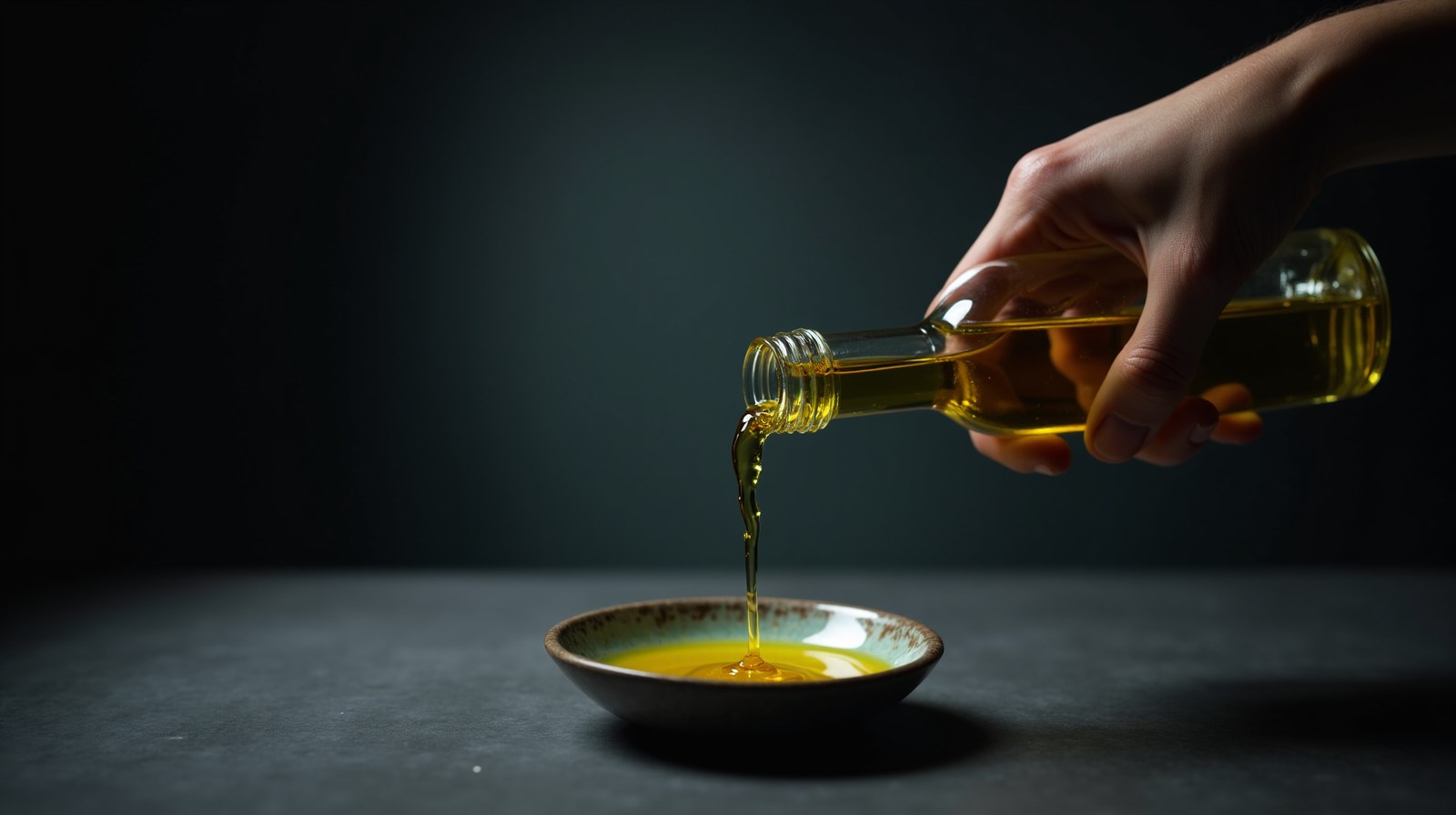
The sharp, peppery sensation that catches in the back of your throat from a good extra virgin olive oil isn't an accident of a particular olive variety — it's a direct sign of oleocanthal, a phenolic compound with a genuinely interesting mechanism.
Key Findings
- Oleocanthal inhibits the same COX-1/COX-2 pathway targeted by ibuprofen, causing the same throat-stinging sensation
- Oleocanthal and oleacein suppress NF-κB-driven inflammatory signaling and support mitochondrial function
- The APRIL study found phenolic-rich oil improved inflammatory and antioxidant status in people with obesity and prediabetes
- Standard supermarket oil contains only a fraction of the phenolic content used in these trials
The ibuprofen connection
Oleocanthal inhibits the same COX-1/COX-2 inflammatory pathway targeted by ibuprofen, which is exactly why it produces that throat-stinging sensation — the same irritant response ibuprofen powder causes if it touches the back of your throat. Oleocanthal and a related compound, oleacein, both suppress NF-κB-driven inflammatory signaling and support mitochondrial function.1
What a controlled trial found
The APRIL study, a randomized controlled crossover trial, tested extra virgin olive oil rich in oleocanthal and oleacein specifically in people with obesity and prediabetes, and found it improved inflammatory and antioxidant status compared to a lower-phenolic oil.2 A 2025 narrative review — covering evidence through March 2025 — confirmed these phenolic compounds reduce oxidative stress and support mitochondrial function relevant to chronic disease risk.
Why most bottles don't deliver this
Standard supermarket olive oil, especially older bottles or those that have undergone more processing, contains only a fraction of the phenolic content used in these trials. Oleocanthal and oleacein degrade with time, heat, and light exposure — a bland, mild-tasting olive oil, regardless of its "extra virgin" label, is unlikely to deliver a comparable effect to what these studies tested.
The practical takeaway
- That peppery, throat-catching sensation is a rough, real-time proxy for meaningful phenolic content — a mild-tasting oil likely has much less
- Freshness matters: check harvest dates where listed, and store oil away from light and heat
- "Extra virgin" on the label doesn't guarantee high phenolic content on its own — taste is a more direct signal here than the label
Sources
- "Extra Virgin Olive Oil Phenolic Compounds: Modulating Mitochondrial Function and Protecting Against Chronic Diseases." Nutrients, 2025. mdpi.com
- "Rich Oleocanthal and Oleacein Extra Virgin Olive Oil and Inflammatory and Antioxidant Status in People with Obesity and Prediabetes: The APRIL Study." medRxiv. medrxiv.org