The Bleeding Chicks That Led to a Nobel Prize
A researcher studying chicks on a strange diet accidentally discovered an entire vitamin nobody knew existed — one now tied directly to your leafy greens and fermented foods.
Dam fed chicks a diet extremely low in fat as part of unrelated cholesterol research in 1929, and noticed the chicks developed hemorrhages and slow-clotting blood. He identified a previously unknown fat-soluble compound responsible for normal blood clotting, naming it vitamin K (from the Danish/German word for coagulation).
Key Findings
- 1943 Nobel Prize — Henrik Dam discovered vitamin K by accident, studying chick diets
- Vitamin K exists in two main natural forms: K1 and K2
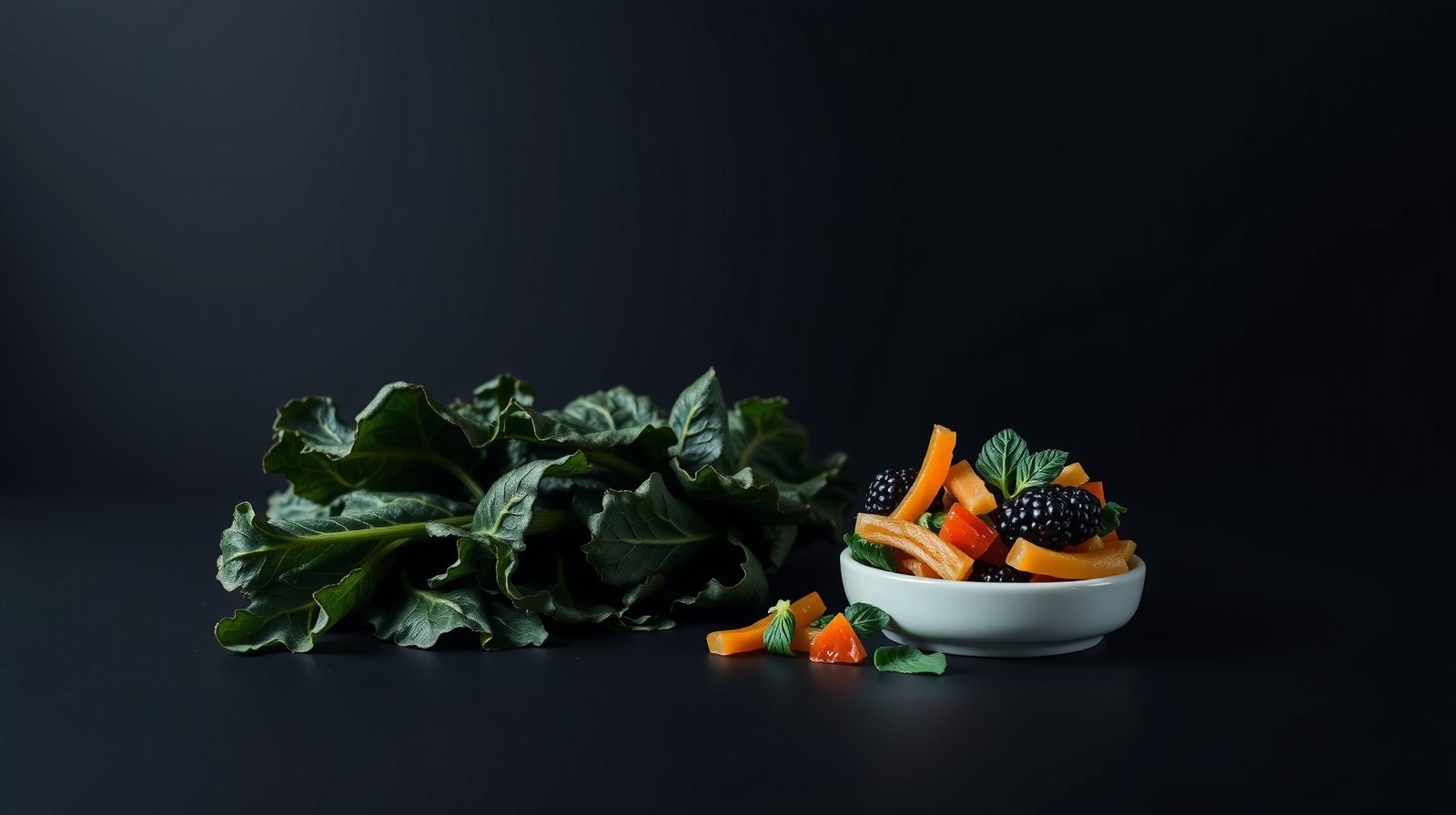
- K1 (phylloquinone) comes from leafy green vegetables
- K2 (menaquinone) comes from bacterial fermentation, found in fermented foods
An accidental discovery
Dam was studying cholesterol using chicks on a fat-free diet when he noticed hemorrhages and slow-clotting blood — an unrelated finding that led him to identify an entirely new fat-soluble vitamin responsible for normal blood clotting.1 The 1943 Nobel Prize in Physiology or Medicine went to Dam "for his discovery of vitamin K," shared with Edward Doisy, who determined its chemical structure.
Two forms, two sources
Vitamin K turned out to exist in two main natural forms — K1 (phylloquinone), found in leafy green vegetables, and K2 (menaquinone), produced by bacteria during fermentation and found in fermented foods. The two forms serve overlapping but distinct roles in the body, with K2 specifically linked in more recent research to directing calcium into bone rather than arteries.
Why one source isn't enough
Because K1 and K2 come from genuinely different food categories and appear to serve at least partly distinct biological roles, relying on only one source — say, leafy greens alone — misses the fermented-food half of the picture Dam's discovery eventually revealed.
The practical takeaway
- Leafy greens (K1) and fermented foods like sauerkraut or natto (K2) supply genuinely different forms of the same vitamin family
- Eating a variety of both is what the underlying biochemistry actually calls for, not just one source
- This traces directly back to an accidental finding in an unrelated cholesterol study
Sources
- "Henrik Dam, Discoverer of Vitamin K." Mayo Clinic Proceedings. mayoclinicproceedings.org
- "The Nobel Prize in Physiology or Medicine 1943." NobelPrize.org. nobelprize.org