Pomegranate's Real Benefit Isn't in the Fruit — It's What Your Gut Does With It
The compound behind pomegranate's reputation doesn't exist in the fruit at all. Your gut bacteria have to build it.
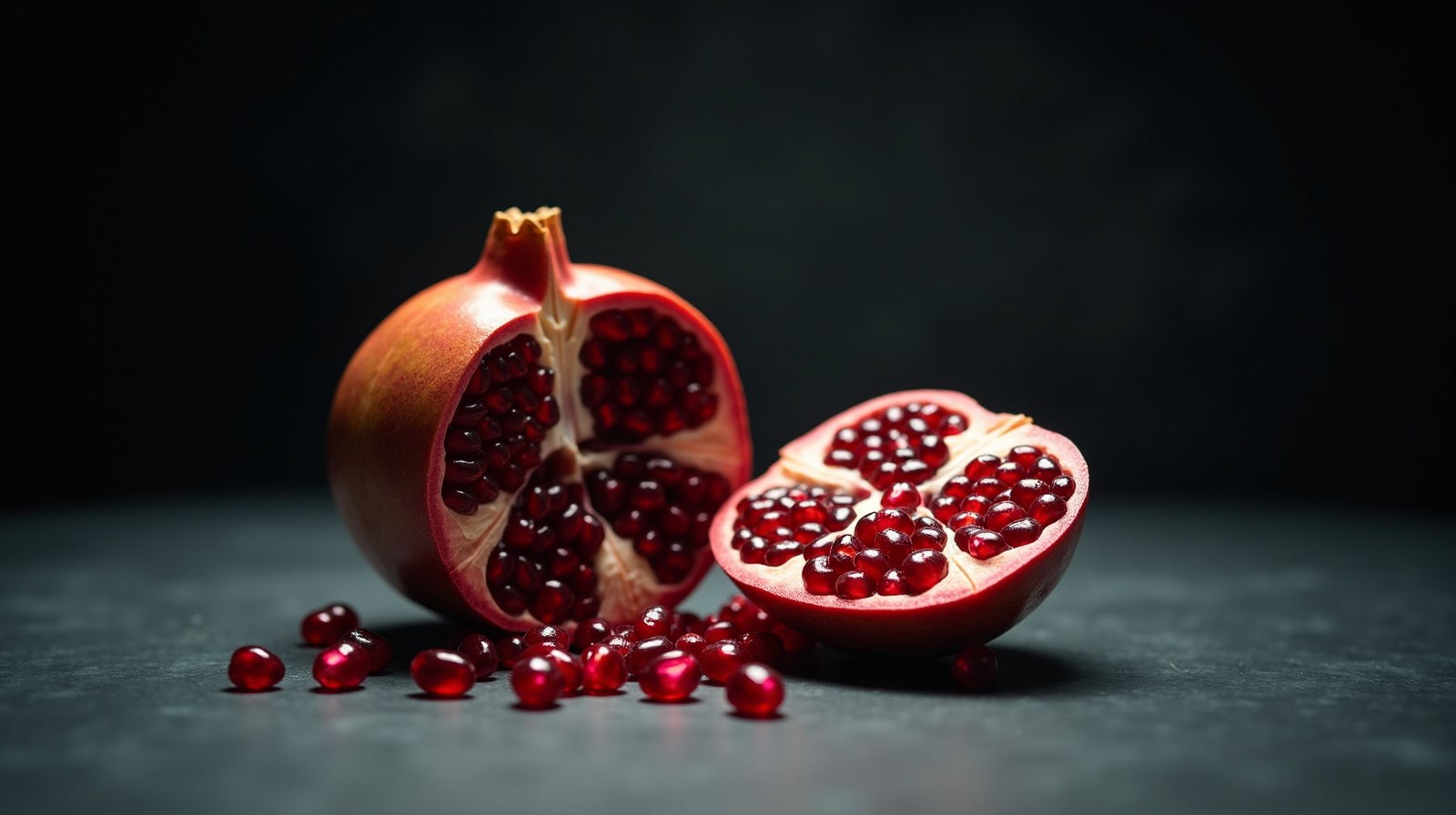
Pomegranate shows up on a lot of "superfood" lists, usually with antioxidants getting the credit. The compound with the strongest recent clinical evidence isn't an antioxidant, and it isn't even in the fruit when you eat it.
Key Findings
- Gut bacteria convert ellagitannins into urolithin A — it doesn't exist in the fruit itself
- A 2025 trial found 1,000mg/day of urolithin A for six months produced a 12% improvement in knee extension strength
- The same dose favorably modulated immune and inflammation pathways after just four weeks
- Not everyone converts ellagitannins efficiently — "producer" phenotypes vary person to person
A compound your gut has to build
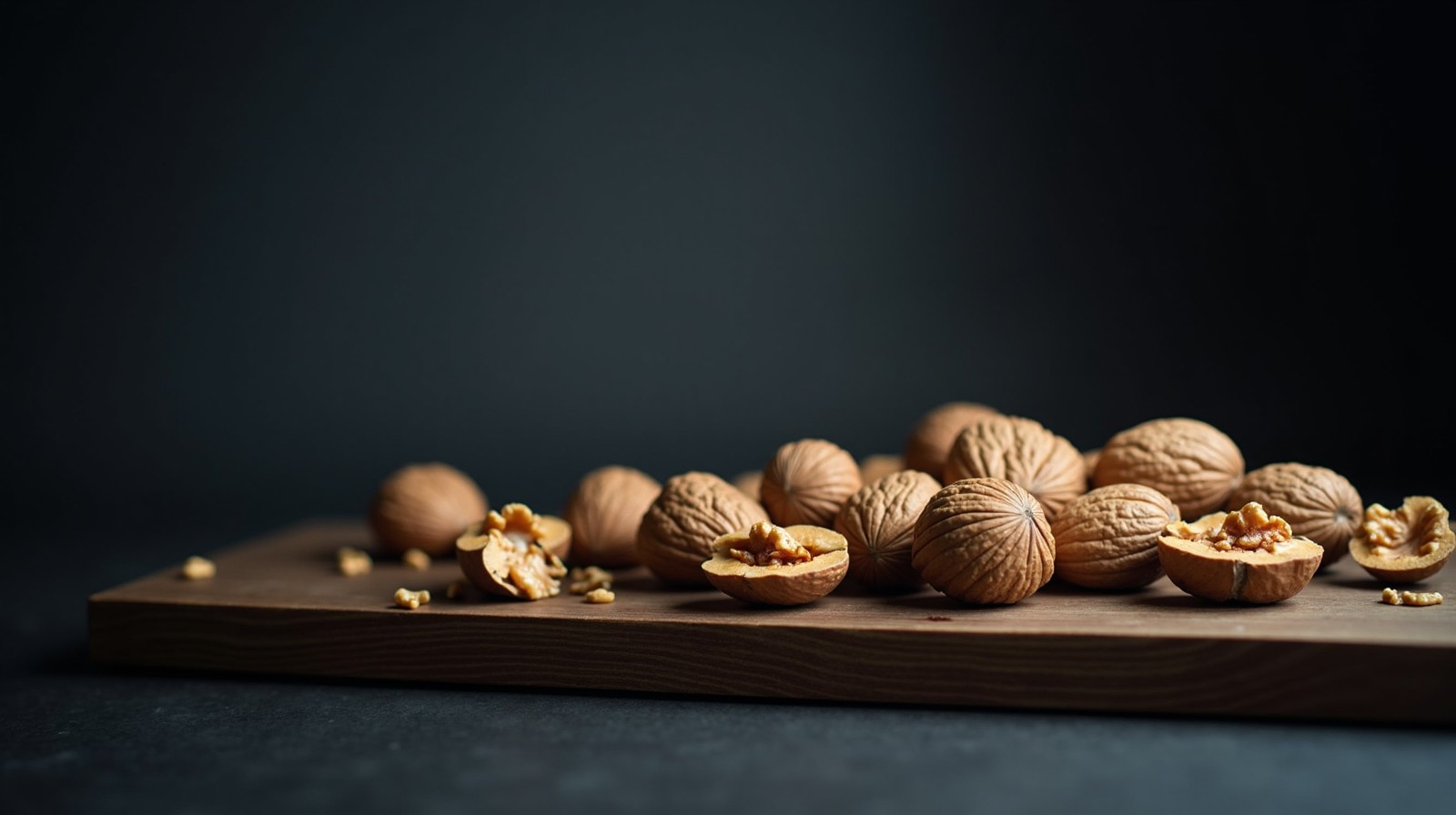
Pomegranates (along with walnuts and some berries) contain ellagitannins — a class of polyphenols that pass through digestion largely intact. It's gut bacteria that convert ellagitannins into urolithin A, the molecule actually responsible for the effects researchers have been studying.1 That conversion step means the fruit alone isn't the whole story — your microbiome is doing a required step of the work.
What urolithin A actually does
Urolithin A is a selective activator of mitophagy — the process cells use to identify and clear out damaged mitochondria. In a 2025 randomized, placebo-controlled trial, healthy middle-aged adults taking 1,000mg/day of urolithin A for six months saw roughly a 12% improvement in knee extension strength and significant gains in VO2 max compared to placebo.2 A separate 2025 study — "MitoImmune," published in Nature Aging — found the same 1,000mg/day dose favorably modulated immune and inflammation pathways in adults aged 45-70 after just four weeks.3
Not everyone converts it the same way
Here's the catch researchers keep flagging: not everyone's gut microbiome converts ellagitannins into urolithin A efficiently. People are broadly grouped into "producer" phenotypes — some convert well, some convert poorly regardless of how much pomegranate they eat. That's part of why supplement trials use purified urolithin A directly rather than relying on pomegranate intake alone — it standardizes a step that varies a lot person to person.
The practical takeaway
- Eating more pomegranate doesn't guarantee more urolithin A — your gut microbiome's conversion capacity is the actual bottleneck
- Feeding that microbiome (fiber, fermented foods) is arguably as relevant as fruit intake itself
- The strongest clinical results (2025 trials) used a standardized 1,000mg/day dose over months, not occasional fruit consumption
Sources
- "Urolithin A for Mitochondrial Health and Muscle Function." Genetic Lifehacks. geneticlifehacks.com
- "The Effect of Urolithin A (Mitopure®) Supplementation on Muscle Strength in Healthy Middle-Aged Adults." ClinicalTrials.gov NCT07231783. clinicaltrials.gov
- "2025's Breakthrough Findings on Urolithin A." Timeline. timeline.com