There's a Compound in Dark Chocolate Linked to Slower Aging
Not the antioxidants everyone talks about — a different compound entirely.
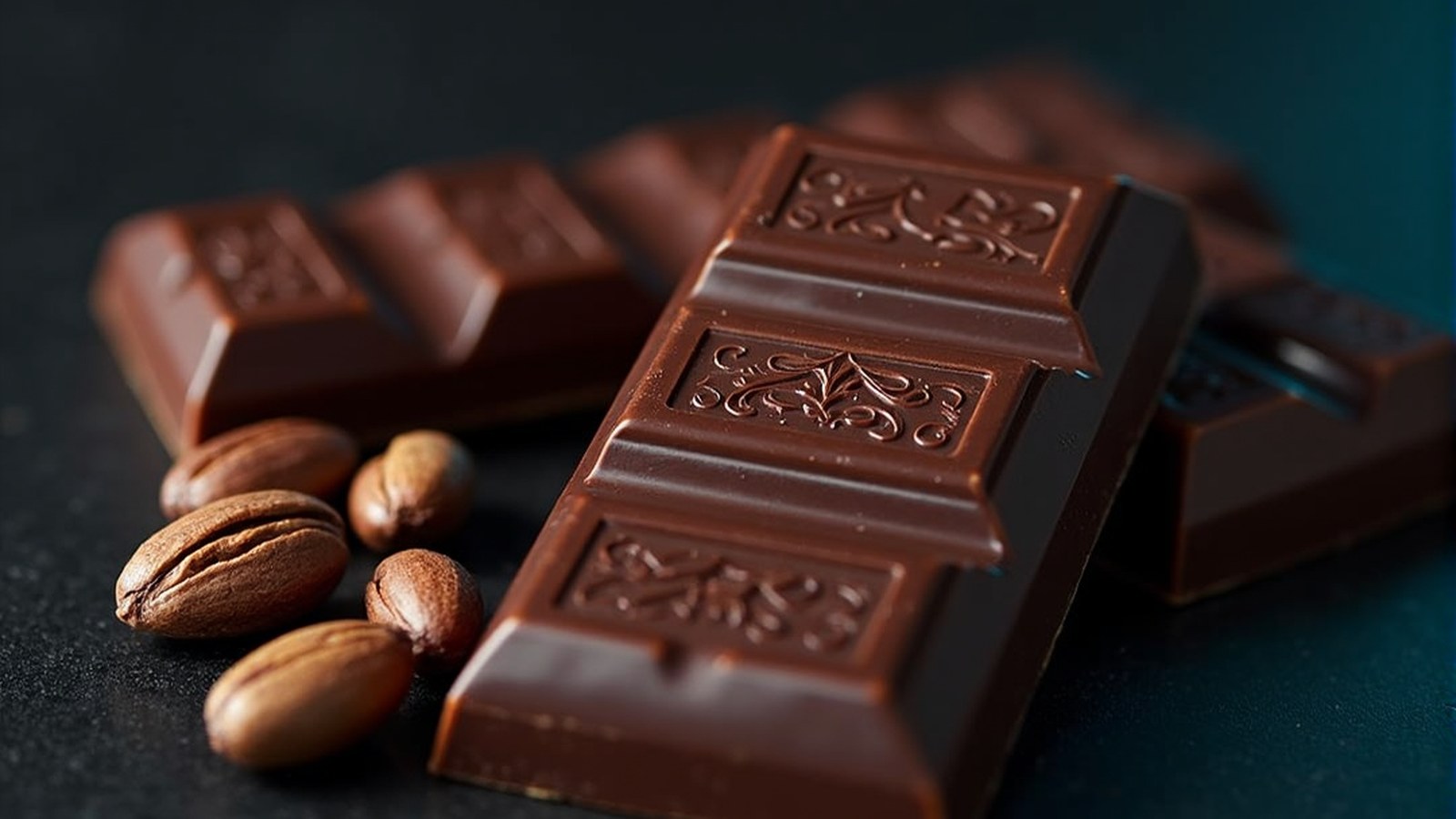
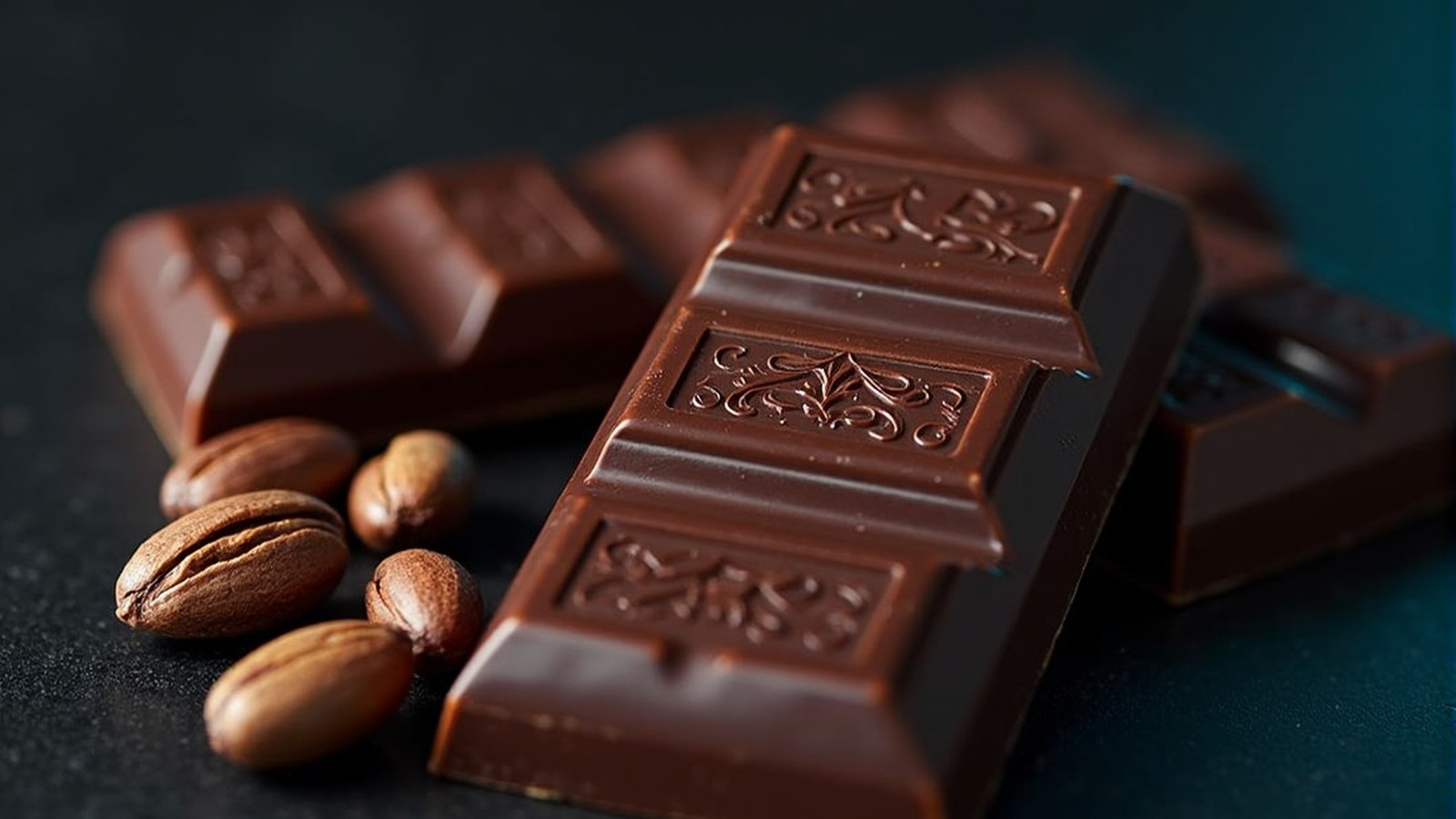
Dark chocolate usually gets credit for its antioxidants, but a 2025 King's College London study pointed at a different compound — theobromine — and linked it to slower biological aging, measured through longer telomere length.1 Telomeres are the protective caps on chromosomes that shorten with age; longer telomeres are generally used as a marker of slower cellular aging.
Key Findings
- A 2025 King's College London study linked theobromine, not just antioxidants, to slower biological aging
- Slower aging was measured through longer telomere length, a marker of cellular aging
- The effect is specific to dark chocolate in the 70-85% cacao range — milk chocolate doesn't carry meaningful amounts
- "Dutching," a common processing step, destroys a large portion of the beneficial flavanols
The cacao percentage that matters
The research consistently uses dark chocolate in the 70-85% cacao range. Milk chocolate and low-cacao bars don't carry meaningful amounts of the compounds being studied — the effect is specific to genuinely dark chocolate, not chocolate in general.
The processing step that quietly undoes it
One catch that rarely gets mentioned: a common processing step called "dutching," used to make cocoa taste milder and less bitter, destroys a large portion of the beneficial flavanols in the process. Cocoa powder or chocolate labeled "natural" or "non-alkalized" retains more of the compounds in question than dutch-processed versions.
The practical takeaway
- Look for 70%+ cacao content specifically — lower percentages don't carry meaningful amounts
- Check for "natural" or "non-alkalized" processing on cocoa powder and chocolate labels
- This is one study's finding on theobromine specifically — treat it as an interesting lead, not a settled fact yet
Sources
- "Is Dark Chocolate Actually Healthy? What the Research Says in 2026." The Sweet Tooth. thesweettooth.com