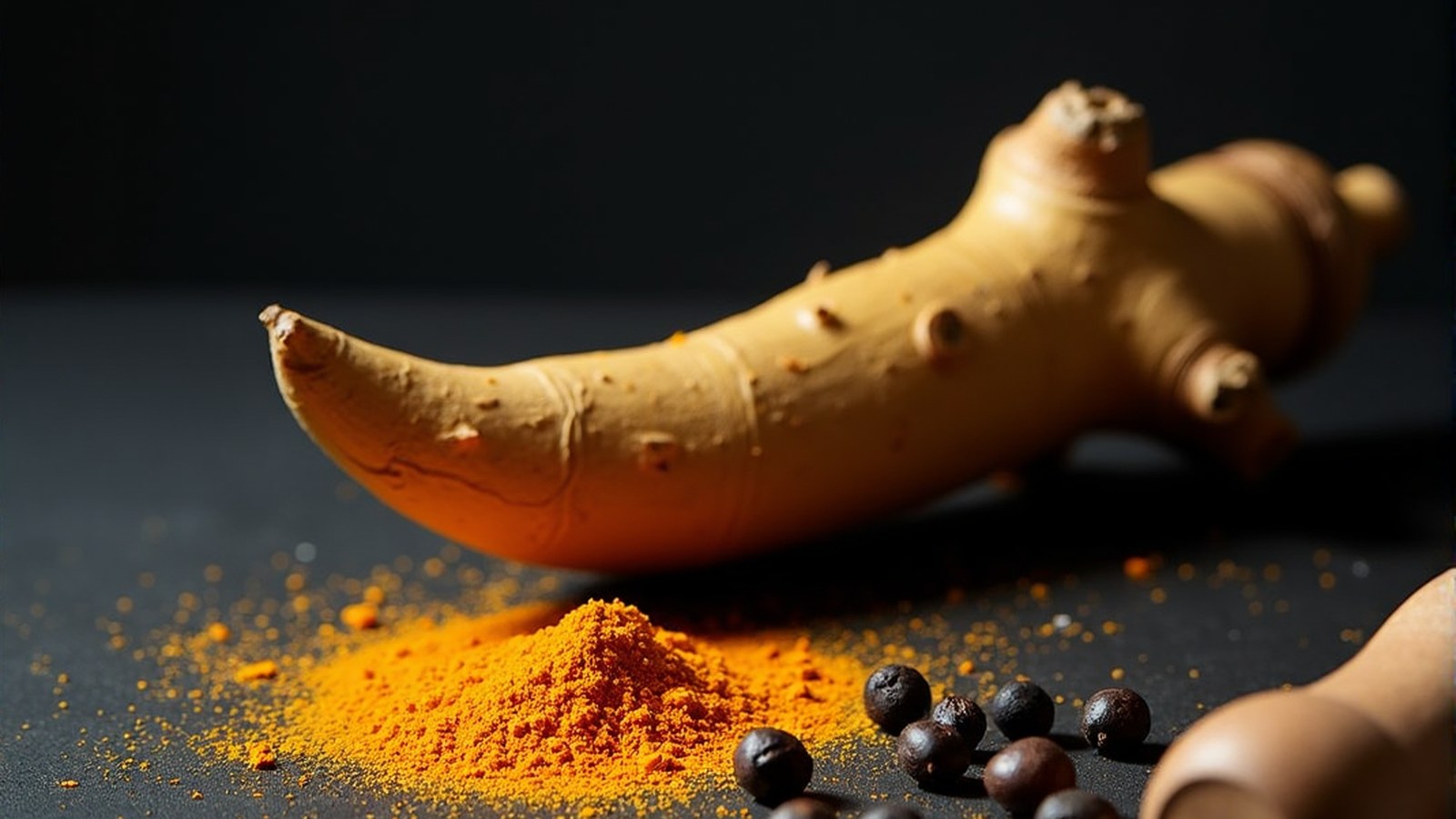
Black Pepper's Absorption Trick Isn't Just a Turmeric Thing
The same mechanism that makes curcumin work also boosts several other common nutrients — most people only ever use it for one dish.
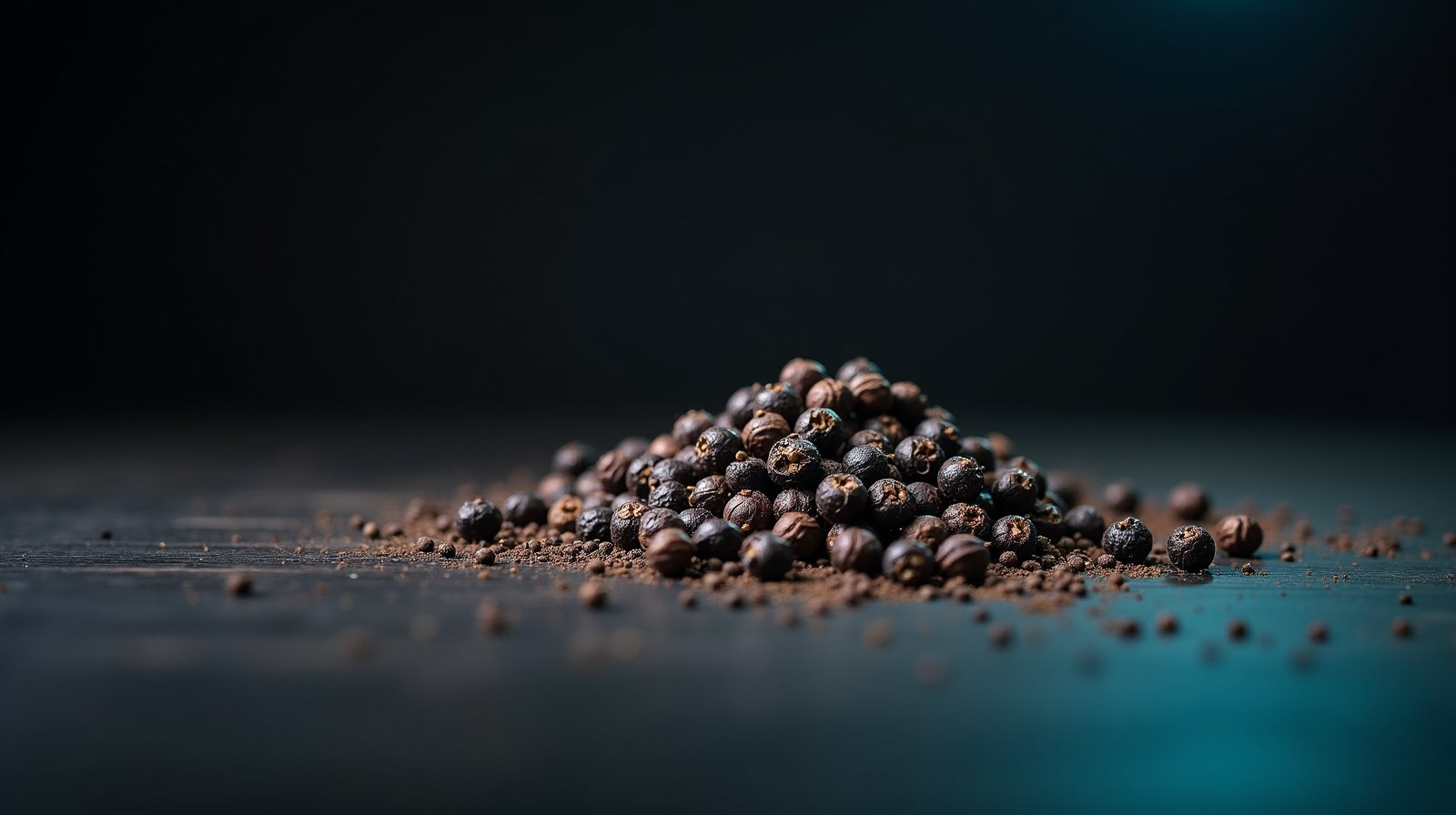
The advice to add black pepper to turmeric is common enough that most people know it — piperine, black pepper's main active compound, dramatically increases how much curcumin the body actually absorbs. What's less well known is that this isn't a curcumin-specific quirk. It's a general absorption bottleneck piperine helps bypass for a range of unrelated compounds.
Key Findings
- Piperine inhibits P-glycoprotein and the liver enzyme CYP3A4, which normally pump compounds out before full absorption
- Piperine co-administration increases absorption of resveratrol, CoQ10, beta-carotene, and vitamin B6 by roughly 30-60%
- A standardized extract (BioPerine) showed close to a 30% increase in magnesium glycinate absorption
- These mechanisms are not unique to curcumin — they apply to whatever compound is present alongside piperine
How piperine actually works
Piperine inhibits P-glycoprotein and the liver enzyme CYP3A4, both of which normally metabolize or pump compounds back out of the body before they're fully absorbed. It also stimulates intestinal amino acid transporters. None of these mechanisms are unique to curcumin — they act on whatever compound happens to be present alongside the piperine.1
What else it boosts
Beyond curcumin, controlled studies show piperine co-administration increases absorption of resveratrol, CoQ10, beta-carotene, and vitamin B6 by roughly 30-60%.2 One clinical formulation using a standardized black pepper extract (BioPerine) showed close to a 30% increase specifically in magnesium glycinate absorption.
Why this changes how you'd use it
If black pepper is only reserved for curry or turmeric-based dishes, that's a narrower application than the research actually supports. Any meal built around fat-soluble or poorly-absorbed compounds — carotenoid-rich vegetables, CoQ10-containing foods, a magnesium-rich dish — is a reasonable candidate for a pinch of black pepper on the same logic.
The practical takeaway
- Piperine's absorption boost isn't limited to curcumin — it applies to several other common nutrients
- Freshly cracked black pepper, added at the table or near the end of cooking, is a reasonable habit whenever a meal features these compounds
- This doesn't mean black pepper is essential for basic nutrition — it's a modest bioavailability enhancer, not a requirement
Sources
- "The effects of black pepper on the intestinal absorption and hepatic metabolism of drugs." PubMed. pubmed.ncbi.nlm.nih.gov
- "A Systematic Review of Piperine as a Bioavailability Enhancer." ResearchGate. researchgate.net