Purple Sweet Potato Isn't Just a Color Variant
The purple color in this specific sweet potato variety isn't cosmetic — it's a distinct compound family, separate from the orange sweet potato's beta-carotene.
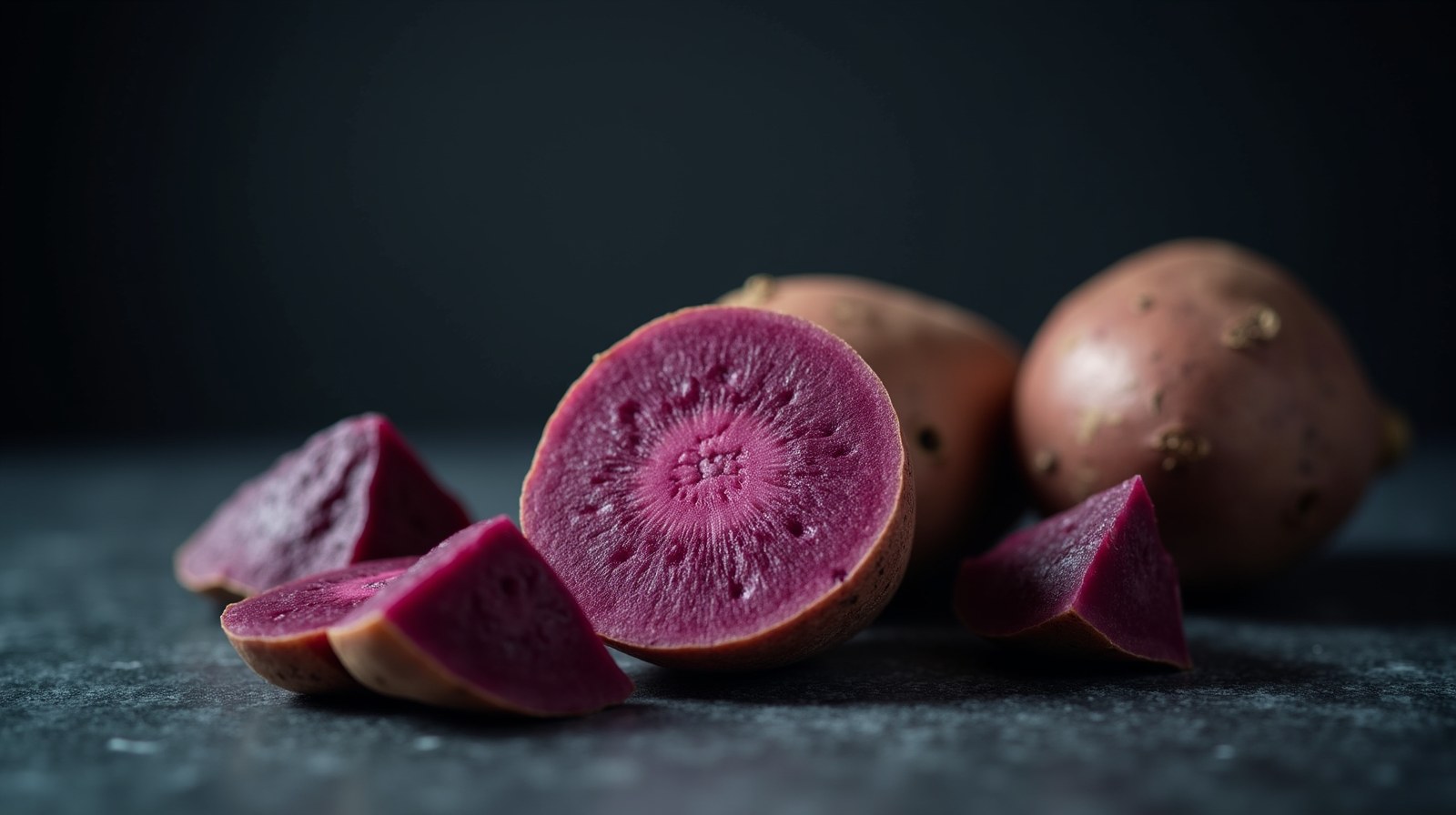
Purple sweet potato anthocyanins inhibit digestive enzymes (α-amylase, α-glucosidase) that break carbohydrates into absorbable sugar, and activate AMPK and PI3K/AKT pathways involved in glucose and lipid metabolism — a different mechanism from the beta-carotene most people associate with sweet potatoes generally.
Key Findings
- Anthocyanins block enzymes that convert carbs into absorbable blood sugar
- Animal studies found treatment decreased fasting blood glucose and long-term blood sugar markers, dose-dependently
- A related human trial on purple potato extract lowered post-meal glucose response
- The benefit is specific to deep purple-fleshed varieties, not orange sweet potato
What the research found
A 2025 review in Food Science & Nutrition detailed the bioavailability and mechanisms of purple sweet potato anthocyanins in diabetes and metabolic disorders.1 In a type 2 diabetes animal model, purple sweet potato anthocyanin treatment significantly decreased fasting blood glucose and glycosylated hemoglobin, with the highest-dose group showing the largest effect.2 Related human research on anthocyanin-rich purple potato extract found it decreased postprandial (after-meal) glycemic response and affected inflammation markers in healthy men.
Why the color matters
The orange sweet potato most people know is mainly valued for beta-carotene — a completely different compound with a different benefit profile. The blood-sugar-relevant anthocyanins are concentrated in the deep purple-fleshed variety specifically.
The practical takeaway
- Look for deep purple flesh, not just purple skin with orange or white inside — the color is the marker
- Most human evidence so far comes from extracts, not whole-food serving sizes — treat this as a promising direction, not a settled dose recommendation
- This is not a substitute for prescribed diabetes management
Sources
- "Purple sweet potato anthocyanins: bioavailability and mechanisms in metabolic disorders." Food Science & Nutrition, 2025. onlinelibrary.wiley.com
- "Purple sweet potato anthocyanins in a type 2 diabetes model." ScienceDirect. sciencedirect.com