The Cinnamon in Your Spice Rack Probably Isn't the One in the Studies
Two different plants share one label — and taking the wrong one daily carries a real trade-off.
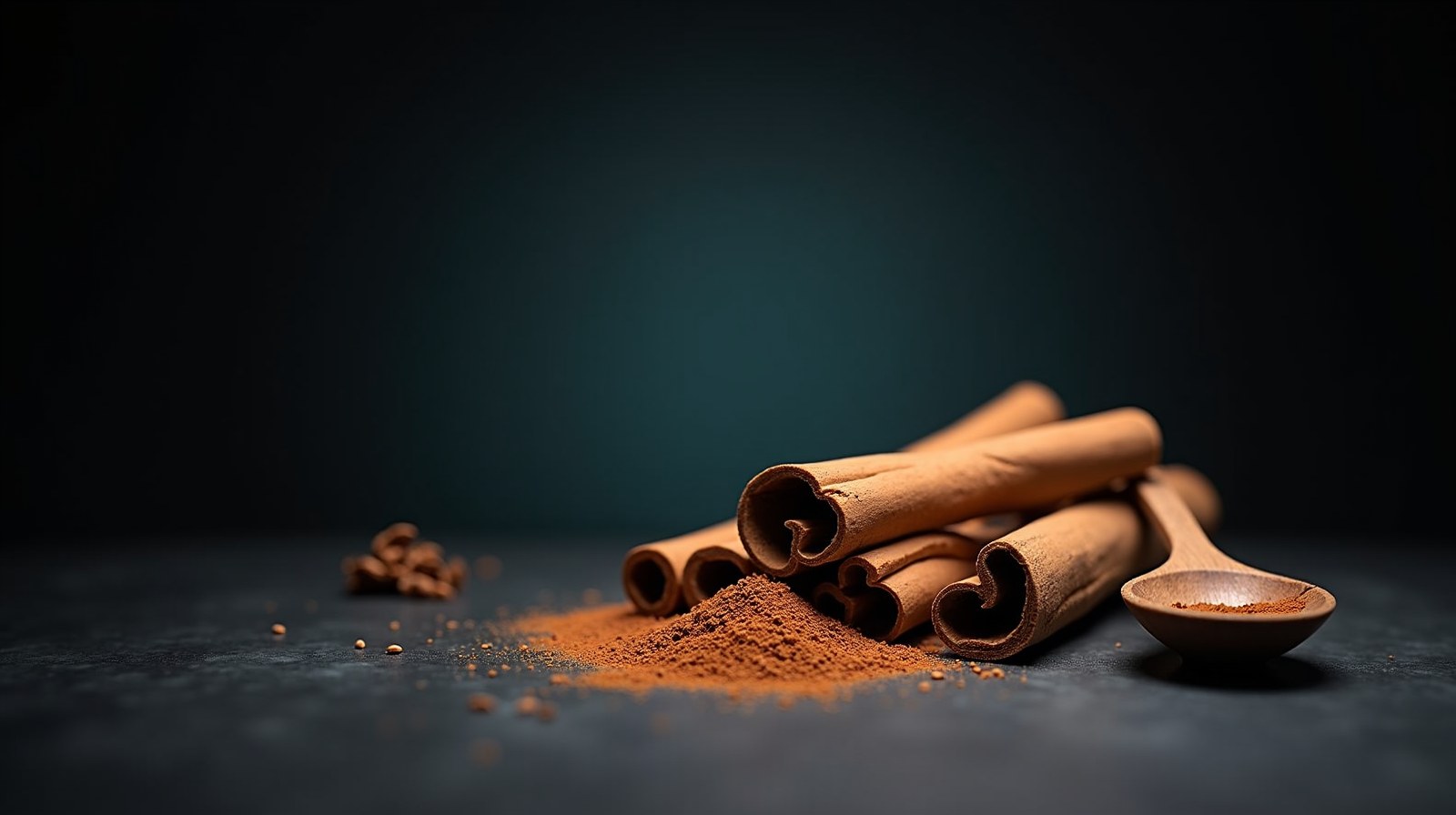
Cinnamon shows up constantly in blood-sugar advice, but "cinnamon" isn't one plant. Most of what's sold in grocery stores is Cassia cinnamon — cheaper, more common, and chemically different from the Ceylon ("true") cinnamon used in the strongest recent clinical trial.
Key Findings
- Ceylon cinnamon extract dropped fasting blood glucose by 78.6 mg/dL, versus just 11.2 mg/dL for placebo
- A broader 28-trial meta-analysis of mixed Cassia/Ceylon varieties found a much smaller average reduction of 15.26 mg/dL
- Cassia cinnamon can run as high as 1% coumarin by weight — the trial's Ceylon extract measured just 0.01%
- The EFSA's tolerable daily coumarin intake is 0.1mg per kg of body weight, a level regular Cassia use can approach
The January 2025 trial
A randomized, double-blind, placebo-controlled trial published in PLOS ONE used a Ceylon cinnamon extract standardized to at least 30% polyphenols, with coumarin content held to just 0.01%. In type 2 diabetics, fasting blood glucose dropped by 78.6 mg/dL in the treatment group, compared to 11.2 mg/dL in the placebo group.1
Variety mattered for the effect size
A separate 2025 meta-analysis pooling 28 trials — a mix of Cassia and Ceylon varieties, mostly unstandardized — found a much smaller average fasting glucose reduction of 15.26 mg/dL.2 That gap doesn't prove Ceylon is definitively superior on its own, but it lines up with a standardized, high-polyphenol Ceylon extract outperforming the mixed-variety average by a wide margin.
The coumarin trade-off
Coumarin is a naturally occurring compound linked to liver toxicity at sustained daily intake. Cassia cinnamon can run as high as 1% coumarin by weight; the Ceylon extract used in the 2025 trial measured 0.01% — roughly a hundredfold lower. The European Food Safety Authority's tolerable daily intake for coumarin is 0.1mg per kilogram of body weight, a threshold that regular Cassia use in cooking or supplementation can approach or exceed, particularly for smaller-bodied adults or children.
The practical takeaway
- If cinnamon is an occasional flavoring, the variety matters far less — it's daily, sustained use where the coumarin gap becomes relevant
- For a daily blood-sugar habit, Ceylon ("true cinnamon") is the variety the strongest trial actually tested, and it carries a much lower coumarin load
- Check the label — "cinnamon" alone, without "Ceylon" specified, is almost always Cassia
Sources
- "Effects of Cinnamomum zeylanicum (Ceylon cinnamon) extract on lipid profile, glucose levels and its safety in adults: A randomized, double-blind, controlled trial." PLOS ONE, January 2025. journals.plos.org
- "Cinnamon for Diabetes: What 28 Clinical Trials Found." Daily Health Leaf, 2025 meta-analysis summary. dailyhealthleaf.com