A Breathing Exercise That Measurably Lowers Blood Pressure
Training the muscles you breathe with — no cardio, no supplement, about five minutes a day — showed real blood pressure and functional improvements in a 2025 randomized trial of hypertension patients.
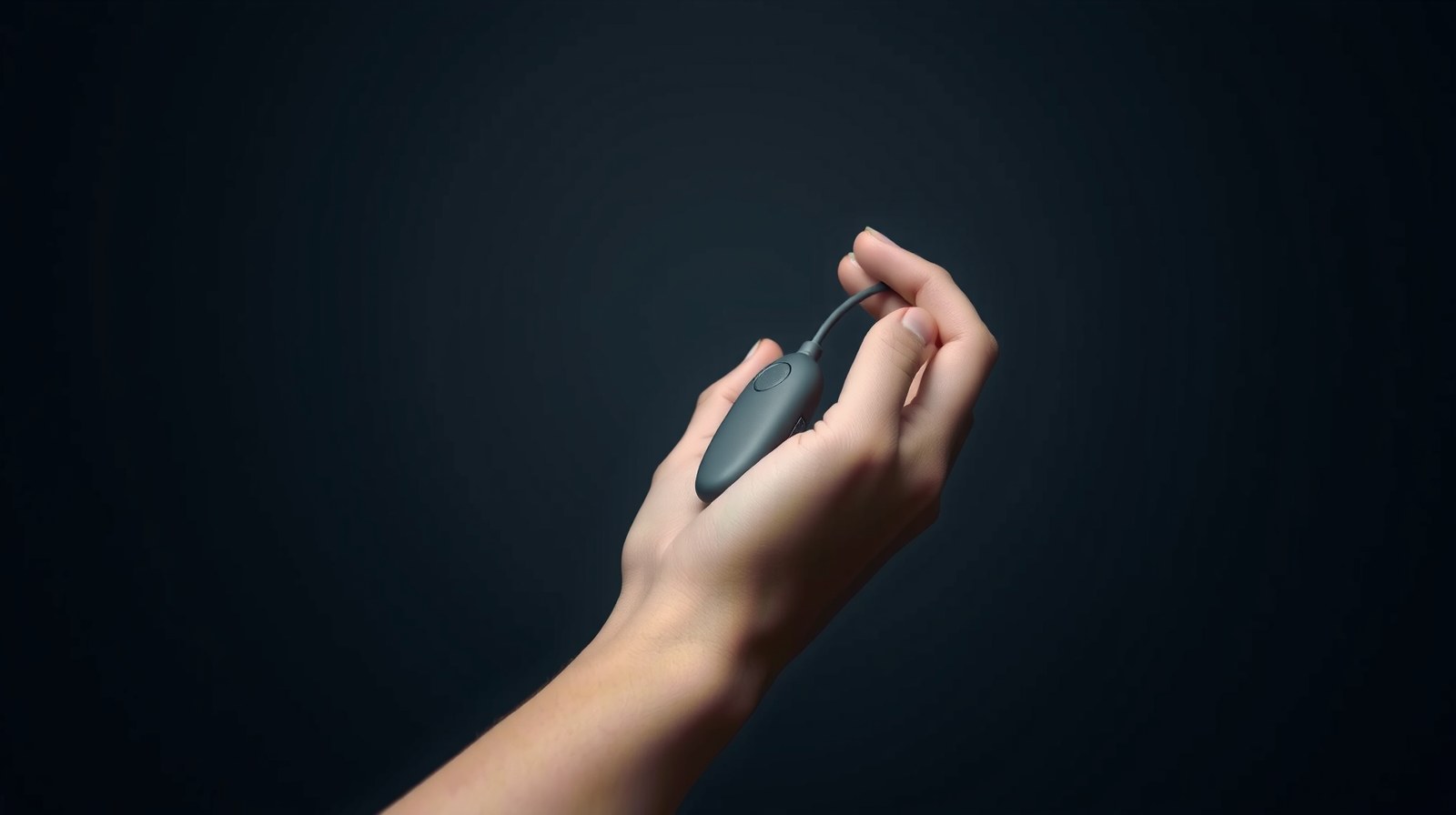
Inspiratory muscle training (IMT) uses a small handheld resistance device to strengthen the diaphragm and other breathing muscles. It's long been used in athletes and respiratory patients — but recent trials show it also measurably affects blood pressure, a genuinely different organ system than the lungs it directly trains.
Key Findings
- 2025 three-arm RCT in hypertension patients: functional IMT improved blood pressure, functional capacity, and muscle strength
- Separate 2025 RCT (pulmonary hypertension, n=35): high-intensity IMT improved exercise capacity and health status
- Protocol used: 50% of maximal inspiratory pressure, twice daily, over 8 weeks
- Also improved fatigue, mobility, and quality of life measures
The hypertension-specific trial
A three-arm randomized controlled trial tested functional inspiratory muscle training in patients with essential hypertension, finding that it improved upper- and lower-extremity functional capacity, mobility, peripheral and respiratory muscle strength, blood pressure, fatigue, physical activity, and quality of life.1 This is a trial specifically measuring blood pressure as an outcome of training breathing muscles — not lung capacity alone.
Confirmed in a more severe population too
A separate single-blinded randomized controlled trial with 35 women with pulmonary hypertension used a high-intensity inspiratory muscle training protocol — 50% of maximal inspiratory muscle pressure, delivered as two cycles of 30 dynamic inspiratory efforts twice daily, seven days a week, for 8 weeks — and found real improvements in exercise capacity, dyspnea, and health status.2
Why breathing-muscle training affects blood pressure
The proposed mechanism runs through the autonomic nervous system: respiratory muscle training appears to influence sympathetic nervous system activity and baroreflex sensitivity, not just the mechanics of breathing itself — which is part of why the effect shows up in blood pressure and not just lung-function tests.1
The practical takeaway
- Inspiratory muscle training is a low-time-cost (roughly 5–10 minutes/day), device-based intervention with real randomized trial support for blood pressure specifically
- It's been tested in both general hypertension and more severe pulmonary hypertension populations, with consistent functional and cardiovascular benefits
- This isn't a replacement for standard hypertension treatment, but it's a genuinely evidence-backed addition worth discussing with a doctor, not just an athletic-performance tool
Sources
- "The effectiveness of functional inspiratory muscle training on exercise capacity and peripheral muscle strength in patients with essential hypertension: a three-arm randomized controlled trial." BMC Sports Science, Medicine and Rehabilitation. link.springer.com
- "Inspiratory Muscle Training on Exercise Capacity, Dyspnoea and Health Status in Pulmonary Hypertension: A Randomised Controlled Trial." PMC. ncbi.nlm.nih.gov