One Avocado a Day Changed Blood Sugar Without Changing Weight
A six-month clinical trial of nearly 800 adults found something that surprised the researchers running it.
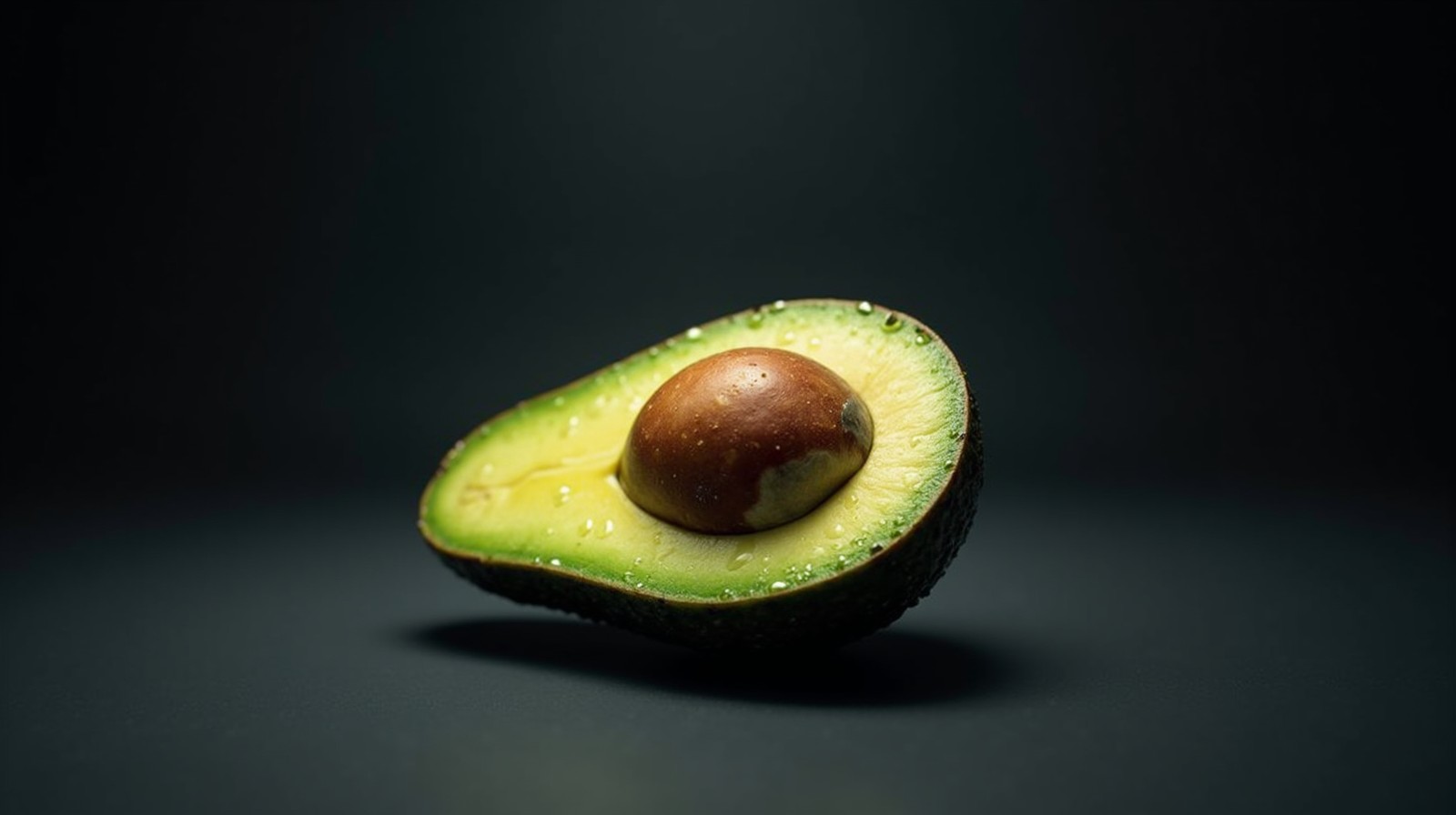
Avocados are calorie-dense, which usually puts them on the "eat in moderation" list. A recent clinical trial complicates that story.
Key Findings
- A six-month trial of 786 adults found daily avocado improved diet quality and glycemic control without weight gain
- A cohort of more than 67,000 women found eating avocado 5+ times a week linked to a 17% lower risk of developing high blood pressure
- A Finnish study of over 2,200 mother-child pairs found infants of avocado-eating mothers had 44% lower odds of a food allergy by 12 months
- Avocados are a concentrated source of potassium and monounsaturated fat, both independently linked to healthier blood pressure
The HAT Study
The Habitual Diet and Avocado Trial had 786 adults 25 and older with elevated waist circumference eat one avocado daily for six months. The daily-avocado group saw improved diet quality and better glycemic control — without gaining weight, despite the added calories.1 A separate GRADE-assessed systematic review and meta-analysis of avocado products on cardiovascular risk factors reached similar directional findings across multiple trials.2
The bigger blood pressure signal
A cohort study tracking more than 67,000 women found that eating avocado five or more times a week was linked to a 17% lower risk of developing high blood pressure. That's an observational association, not a controlled trial, but it lines up with the mechanism researchers point to — avocados are a concentrated source of potassium and monounsaturated fat, both linked independently to healthier blood pressure.
An unexpected pregnancy finding
One more result worth flagging: a study of more than 2,200 mother-child pairs in Finland found infants born to avocado-eating mothers had 44% lower odds of developing a food allergy by 12 months. It's a single observational study and shouldn't be read as a guarantee, but it's an active area researchers are now investigating further.
The practical takeaway
- One avocado a day is the amount used in the strongest trial to date — not "as much as possible"
- The glycemic and diet-quality benefits held even though the group didn't restrict calories elsewhere
- Blood pressure and allergy findings are earlier-stage and observational — promising, not proven
Sources
- "Eating an avocado a day lowers heart disease risk factor for people with obesity." Penn State University. psu.edu
- "Effects of Avocado Products on Cardiovascular Risk Factors in Adults: A GRADE-Assessed Systematic Review and Meta-Analysis." NCBI. ncbi.nlm.nih.gov