What the DASH Diet Meta-Analyses Actually Show
One of the most-studied diets in cardiovascular medicine has a 2025 update — and the blood pressure numbers are more specific than "eat healthier."
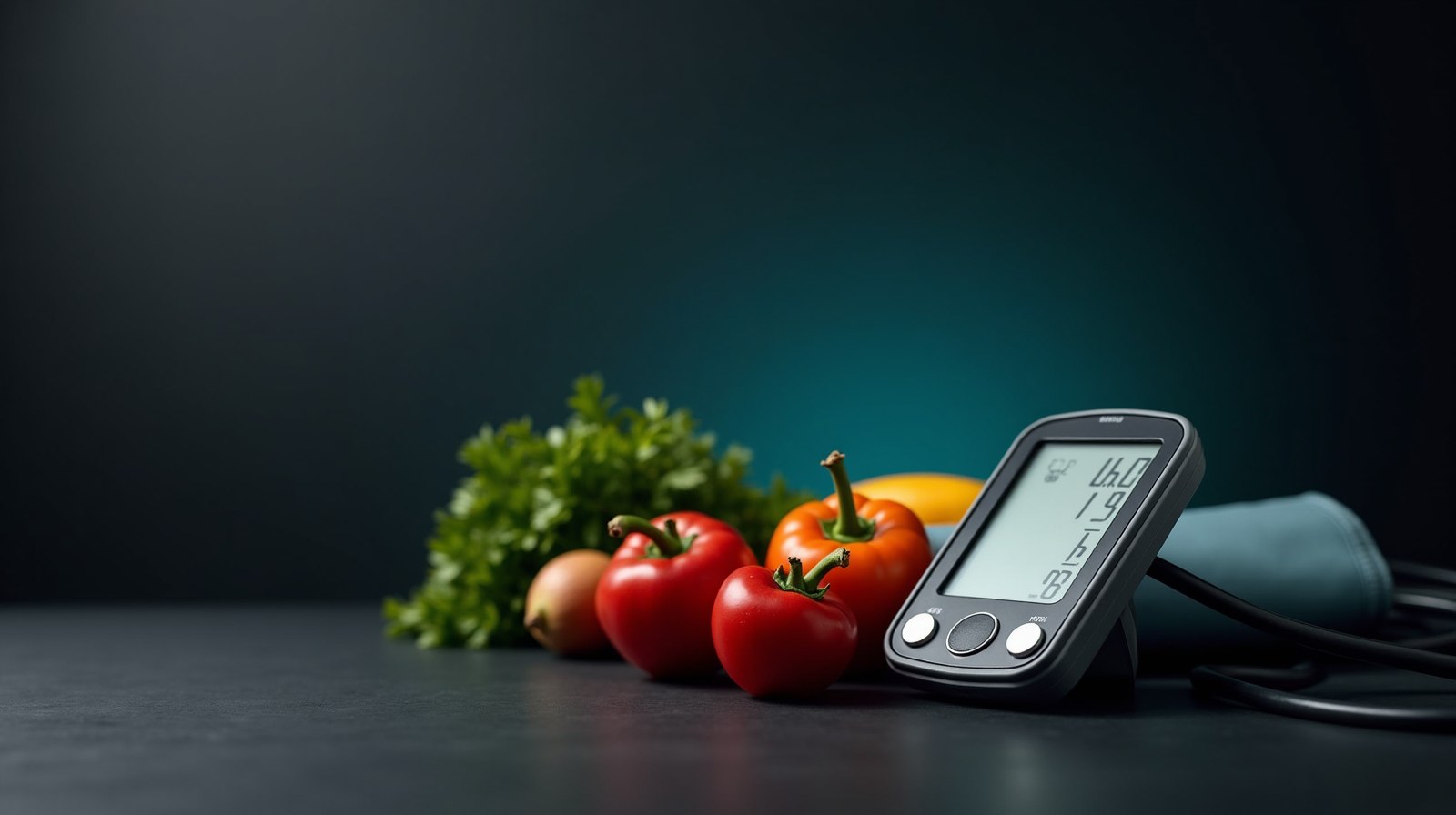
The DASH (Dietary Approaches to Stop Hypertension) diet emphasizes potassium, magnesium, calcium, and fiber (via fruits, vegetables, whole grains, low-fat dairy) while limiting sodium and saturated fat — a combination that supports vascular function and counters sodium's blood-pressure-raising effects through multiple simultaneous mechanisms rather than one single compound.
Key Findings
- A 2025 review found DASH reduced systolic BP by 1.29-4.6 mmHg
- A larger meta-analysis (30 trials) found average drops of 3.2/2.5 mmHg
- Low-sodium DASH produced considerably larger drops
- Up to 11.5 mmHg systolic in people already hypertensive
The 2025 numbers
A 2025 systematic review and meta-analysis found the DASH diet reduced systolic blood pressure by 1.29-4.6 mmHg and diastolic by 0.76-1.1 mmHg across trials.1 An earlier but larger meta-analysis (30 RCTs, 5,545 participants) found reductions of 3.2 mmHg systolic and 2.5 mmHg diastolic on average.2
Where the biggest effect showed up
The low-sodium version of DASH specifically produced considerably larger drops: 7.1 mmHg systolic in people without hypertension, and 11.5 mmHg in people who already had hypertension.
Why sodium reduction changes the math
The sodium-restriction component appears to meaningfully amplify DASH's effect — the diet pattern alone helps, but pairing it with active sodium reduction produced the largest blood pressure changes in the trials, especially for people already hypertensive.
The practical takeaway
- DASH's effect is real but modest on its own — sodium reduction is what amplifies it
- People already hypertensive saw the largest benefit from the combined approach
- This is not a substitute for prescribed blood pressure medication — talk to a doctor about combining the two
Sources
- "DASH Diet in 2025." JACC. jacc.org
- "DASH diet blood pressure meta-analysis." Clinical Hypertension, 2025. clinicalhypertension.org